
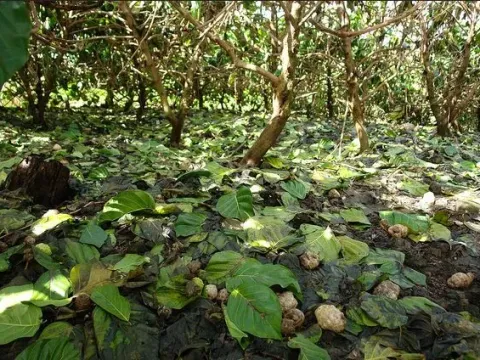
Morinda phytophthora
Phytophthora morindae
The causative agent of the disease is the oomycete Phytophthora morindae. This pathogen is a water mold, belonging to a group of microorganisms known for causing severe damage to a wide range of tropical and agricultural plants.
What the section contains
Morinda phytophthora
The pathogen is characterized by its production of motile zoospores, which travel through film water to reach healthy host tissues. This active movement is the primary mechanism of infection within the plantation environment.
It can persist in the soil for extended periods as dormant oospores. These resilient structures enable the pathogen to survive adverse conditions until a new host is available, making soil management crucial.
The pathogen aggressively invades plant tissues by secreting enzymes that break down cell walls. This action disrupts the plant's vascular and metabolic functions, leading to the systemic spread of the infection throughout the tree.
Identification of Phytophthora morindae requires precise laboratory procedures, as symptoms are often confounded with other common fungal rot diseases. Microscopy reveals specific sporangial shapes characteristic of this species.
The initial signs of infection often manifest as dark, water-soaked lesions on leaves. These spots can expand rapidly in humid conditions, eventually causing leaves to turn necrotic and drop prematurely.
When the pathogen infects the stems or branches, it causes dark streaks and localized dieback. These symptomatic areas become soft and mushy, especially under high ambient humidity, which promotes the growth of the mold.
Root rot is the most devastating manifestation of the disease. The root system turns brittle and brown, losing its ability to absorb water and nutrients, which causes the tree to wilt despite irrigation efforts.
Fruit infection is characterized by soft rot patches that quickly consume the entire fruit. Affected fruits typically become discolored and may fall before reaching maturity, leading to total yield loss.
- Dark necrotic spots on leaf foliage
- Dieback of young shoots and stems
- Root system decay and brown discoloration
- Fruit rotting and premature abscission
- General decline in tree vigor
Disease development is highly dependent on environmental moisture. Prolonged rainfall, fog, and excessive overhead irrigation create the perfect conditions for the production and spread of zoospores.
The pathogen thrives in moderate to warm temperatures, which are typical for tropical cultivation sites. This climate allows the organism to complete its reproductive cycle rapidly during wet seasons.
Poorly drained or waterlogged soils are the primary risk factor for root infection. When soil pores are filled with water, oxygen levels drop, which weakens the plant's defenses and encourages pathogen entry.
High plant density further exacerbates the situation by reducing airflow within the canopy. Stagnant air keeps foliage wet for longer periods, significantly increasing the probability of foliar infection.
The spread is frequently mediated by contaminated tools, shoes, or irrigation water. Moving equipment from an infected zone to a healthy area without cleaning is a primary vector for transmission.
The primary harm caused by Phytophthora morindae is a drastic reduction in fruit quality and quantity. Since the crop is often grown for its medicinal or nutritional value, even minor infections impact the marketability of the product.
The pathogen can kill young trees in nurseries very quickly, leading to total losses of expensive planting stock. This creates significant financial hardship and delays in orchard development.
In mature trees, the disease causes chronic stress, making the plants more susceptible to secondary pests and other pathogens. This weakens the overall orchard health and increases management costs.
Nutrient uptake is severely hampered by root decay, leading to yellowing of leaves and reduced photosynthetic efficiency. This negatively impacts the long-term productivity and lifespan of the trees.
The accumulation of the pathogen in the soil renders those areas unsuitable for replanting. Growers are forced to invest in extensive remediation or soil treatment processes before they can safely plant again.
Strategic management begins with site selection and proper drainage engineering. Ensuring that the soil remains well-aerated is the most effective way to prevent the establishment of the pathogen.
Strict sanitation protocols should be implemented, including the sterilization of tools and the prompt removal and disposal of infected plant material. Burning or deep burying of diseased tissue is recommended.
Chemical control involving fungicides, particularly those targeting oomycetes (such as metalaxyl or phosphonates), can be effective if applied early in the infection cycle to protect healthy trees.
Biological control methods are gaining popularity, using beneficial soil microbes such as Trichoderma species. These organisms can outcompete the pathogen for resources and prevent its establishment in the rhizosphere.
Implementing regular monitoring programs to detect early symptoms allows for spot treatment of infected areas. This localized approach is significantly more cost-effective than attempting to treat an entire plantation once the disease has spread.