
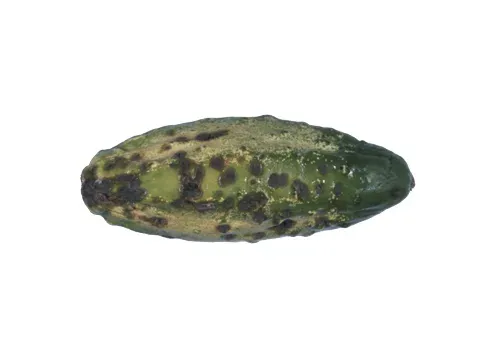
Olive spot
Olivea
Olive spot is a fungal disease caused by pathogens of the Olivea genus. These fungi are typically classified as rust fungi and are known to affect various plant species by infecting the leaves and stems.
What the section contains
Olive spot
The mycelium of the fungus penetrates the plant tissues, disrupting the photosynthetic activity of the leaves. This leads to metabolic stress and a general weakening of the host plant's vital functions.
Reproduction occurs through specialized spores that are dispersed by wind, rain splashes, or insects. These spores are highly resilient and can survive unfavorable conditions in plant debris or soil.
The life cycle of the pathogen is highly dependent on environmental factors, particularly humidity levels. Under favorable conditions, the fungus can complete its cycle rapidly, leading to outbreaks.
Microscopic analysis is often necessary to correctly identify the species within the Olivea genus. Understanding the pathogen's biology is essential for implementing a successful disease management program.
The primary symptom of Olive spot is the appearance of dark, olive-colored spots on the undersides of the leaves. These spots are often surrounded by a chlorotic halo as the disease progresses.
A velvety, olive-brown spore mass develops within these lesions, which is a definitive characteristic of the disease. Eventually, the affected leaf tissue may turn yellow and wither prematurely.
In severe infections, the disease can spread to stems and petioles, causing them to weaken and break. The overall appearance of the plant becomes stunted, with noticeable loss of foliage.
The progression usually starts from the lower, older leaves where moisture tends to persist for longer periods. From there, it spreads upward to the younger growth, especially during wet weather.
Early diagnosis is crucial, as the symptoms can sometimes be mistaken for other types of leaf spots. The distinct olive-colored fungal growth helps distinguish this disease from bacterial blight or other fungal pathogens.
The development of Olive spot is favored by high humidity, typically above 80%, and moderate temperatures ranging from 18 to 24 degrees Celsius. Prolonged leaf wetness is a critical factor for spore germination.
Dense planting or poor canopy management restricts airflow, creating a humid microclimate where the fungus thrives. Stagnant air allows water droplets to remain on leaves, facilitating infection.
Excessive nitrogen fertilization often leads to succulent, lush growth that is highly susceptible to fungal penetration. A balanced nutrient program is vital to maintain strong cell walls and natural resistance.
The presence of overwintering inoculum in fallen leaves or debris provides a source for infection at the start of the next growing season. Sanitation is the first line of defense against the disease.
Temperature fluctuations and heavy dew cycles provide the necessary triggers for spore release. Growers should monitor weather patterns closely during critical growth stages to assess disease risk.
The main impact of Olive spot is the reduction in photosynthetic leaf area, which leads to lower yields. Plants are unable to produce enough energy to support fruit development and storage reserves.
Product quality can be significantly affected, with fruits or foliage losing their market value due to cosmetic damage. In some cases, systemic damage can lead to tree or plant decline over time.
Premature leaf drop causes stress that can impact the plant's ability to survive the winter. Weakened plants are also more prone to secondary infections and infestations by opportunistic pests.
The cost of implementing fungicide programs and increased labor for sanitation adds to the overall production costs. Economic losses can be substantial if the disease is not controlled early in the season.
Large-scale infestations can jeopardize the entire harvest, necessitating strict management practices. Effective control is essential for maintaining both long-term health and profitability.
Effective management of Olive spot requires an integrated approach starting with cultural practices. Proper spacing and pruning are essential to improve air circulation and reduce leaf wetness duration.
Sanitation is a critical step, including the removal and destruction of all infected plant materials. By reducing the initial inoculum, growers can significantly lower the infection pressure for the following season.
Chemical control involving fungicides should be applied preventively or at the very first sign of disease. It is important to rotate products to prevent the development of fungicide resistance.
- Use copper-based fungicides as a preventative measure during vulnerable periods.
- Apply systemic fungicides when environmental conditions favor disease development.
- Ensure balanced fertilization to enhance natural plant defense mechanisms.
- Rotate crops to break the life cycle of host-specific fungal pathogens.
Regular field scouting allows for the early detection of the disease and timely intervention. By maintaining a clean growing environment and monitoring crop health, the spread of Olive spot can be effectively mitigated.