
Description
Symptoms
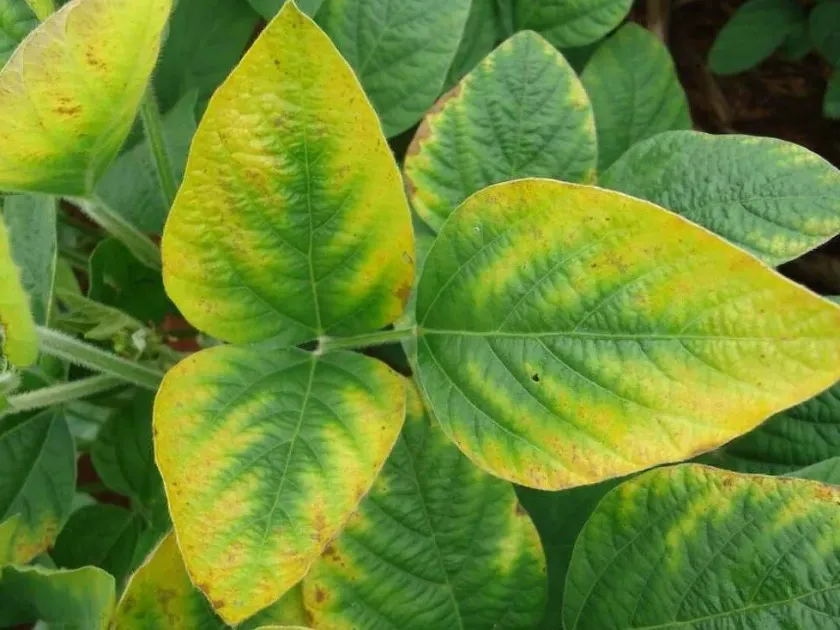
The primary symptoms include chlorosis (yellowing), necrosis (tissue death), stunting, and abnormal deformation of leaves or stems.
Deficiency of mobile nutrients typically appears in older leaves first, while deficiencies of immobile nutrients like calcium or iron are first visible on new growth.
Toxicity symptoms often manifest as scorched leaf tips, dark metallic spots on leaves, or severe root system damage that prevents effective water absorption.
Specific nutrient deficiencies can often be diagnosed by the pattern of leaf color change, such as interveinal chlorosis associated with magnesium or iron shortages.
- Chlorosis and necrosis on leaf margins or between veins.
- Stunted growth and reduced internode length.
- Deformed foliage and failure to produce fruit or grain.
Pathogen
Nutrient deficiency and toxicity are physiological disorders caused by an imbalance in mineral uptake rather than by biological pathogens like fungi or bacteria.
These disorders occur when essential nutrients are either unavailable in the soil or are present in excessive concentrations that disrupt the plant's metabolic processes.
The deficiency state arises when the soil cannot provide a specific element in sufficient quantity, often due to improper pH levels that render nutrients chemically immobile.
Toxicity, conversely, is caused by the accumulation of excessive mineral elements or salts in the plant tissue, which interferes with normal cell function and root development.
These conditions affect virtually all crops; for instance, rice is highly susceptible to zinc deficiency in alkaline soils and iron toxicity in waterlogged conditions.
Conditions for development
Soil pH is the most critical condition, as it directly dictates the chemical availability of most essential plant nutrients in the soil solution.
Ion antagonism, where an excess of one nutrient prevents the uptake of another (e.g., high phosphorus levels blocking zinc absorption), is a major driver of deficiencies.
Environmental stresses, such as prolonged drought or extreme temperatures, reduce root activity, limiting the plant's ability to extract nutrients from the soil.
Waterlogging in rice cultivation triggers chemical reduction processes that can release toxic amounts of iron or manganese, severely damaging roots.
Poorly managed fertilization programs, which rely on blanket application rather than specific soil test results, often lead to both nutrient imbalances and salt buildup.
Why it matters
The economic impact of these disorders is significant, as they lead to reduced yields and inferior quality of harvested produce.
Plants suffering from nutrient stress are physiologically weakened and become far more susceptible to secondary infections by pathogens and pest attacks.
In rice, severe deficiency or toxicity can lead to empty panicles or total crop failure, which can devastate a season's expected output.
Long-term exposure to toxic nutrient levels permanently impairs the plant’s transport tissues, resulting in premature aging and poor overall vigor.
Costs are compounded by the need for reactive measures, such as emergency foliar treatments to correct severe deficiencies before further damage occurs.
Protection
Proactive soil testing and regular tissue analysis are essential to detect imbalances before they translate into visible symptoms and yield loss.
Soil amendment practices, such as liming for acidic soils, are fundamental to adjusting pH and restoring the solubility of nutrients.
Developing a precise fertilization program based on crop requirements and soil capability is the most effective way to prevent these physiological issues.
Foliar application of chelated micronutrients provides a rapid solution to correct acute deficiencies, as it bypasses the soil and enters the plant directly.
Implementation of balanced nutrient management, including cover cropping and proper irrigation, helps maintain soil health and ensures long-term crop productivity.
Pathogens and affected parts
Affects crops · 1
Discussion
No discussions yet — be the first.