
Mesophelliaceae
Mesophelliaceae
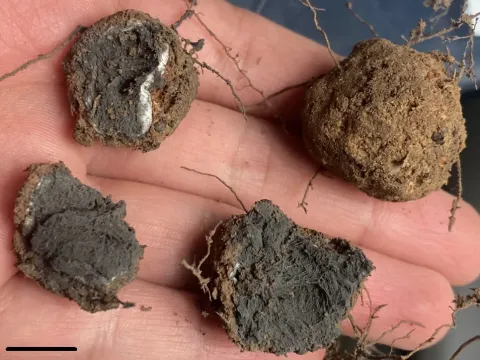
The Mesophelliaceae family represents a group of hypogeous fungi characterized by their subterranean fruiting bodies.
What the section contains
Mesophelliaceae
It is crucial to clarify that these fungi are not plant pathogens and do not cause diseases in agricultural crops.
They are primarily symbiotic organisms that facilitate nutrient exchange with forest trees through mycorrhizal networks.
The biological cycle of these fungi is dedicated to the decomposition of soil organic matter and forest floor maintenance.
They do not invade living plant tissues in a pathogenic manner, making them ecologically beneficial rather than harmful.
Mesophelliaceae fungi thrive in stable forest environments with high levels of organic leaf litter.
Soil moisture is the most critical environmental factor for the development of their subterranean fruiting bodies.
They rely on the presence of host tree roots to establish the mycorrhizal relationships necessary for their survival.
Spore dispersal relies heavily on mycophagous animals, which consume the fungi and spread spores through their waste.
Disruption of the soil structure and excessive drainage can limit the development of these unique fungal colonies.
There is no evidence of harm caused by Mesophelliaceae to commercial crops or farming operations.
They do not compete with crops for resources, nor do they induce wilting, decay, or other signs of infection.
In fact, their presence is often an indicator of high ecological quality and healthy forest soil composition.
Farmers do not need to monitor fields for these fungi, as they have no negative impact on agricultural yield.
The absence of economic damage makes the classification of this family as a "disease" factually incorrect.
Since these organisms are not pests or pathogens, no control measures or prevention strategies are required.
The application of fungicides against these fungi is unnecessary and potentially harmful to the surrounding biodiversity.
Sustainable agricultural and forestry practices should focus on maintaining natural soil health instead of eradication.
Protecting the natural habitat of these fungi ensures the ongoing health of the ecosystem they reside in.
- Preservation of forest soil structure
- Avoidance of broad-spectrum pesticides
- Support of mycorrhizal biodiversity