
Description
Symptoms
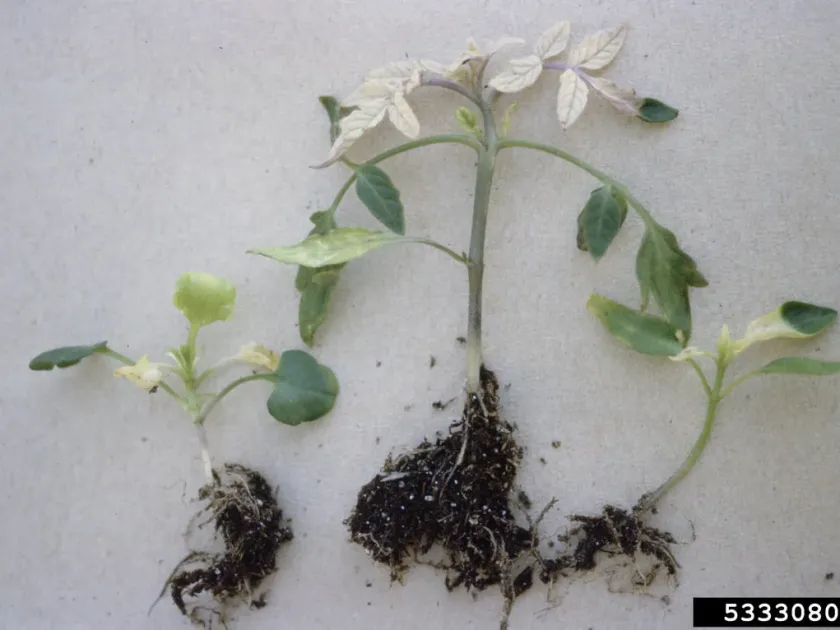
The primary diagnostic sign of PAN injury is the development of a characteristic silvery, metallic, or bronzed glazing on the undersides of leaves.
Initially, affected cells become water-soaked in appearance, eventually progressing to necrosis and chlorosis as the cell structures break down.
Injury often appears on the younger, fully expanded leaves that were actively photosynthesizing at the time of the peak pollutant concentration.
In Poinsettia, the symptoms manifest as leaf margin discoloration and curling, which severely reduces the commercial aesthetic appeal of the plant.
Severe exposure leads to the collapse of spongy mesophyll cells, causing permanent damage and potentially triggering premature leaf abscission.
Pathogen
Peroxyacetyl nitrate (PAN) is not a biological pathogen, but rather a toxic gaseous pollutant that causes physiological disorders and chemical burns in plants.
It is a key component of photochemical smog, produced by chemical reactions between nitrogen oxides and volatile organic compounds in the presence of sunlight.
The substance acts as a potent oxidant, disrupting cellular metabolic pathways and significantly inhibiting the photosynthesis process in plant tissues.
Various crops, including leafy vegetables, grasses, and ornamental plants like Poinsettia, are highly susceptible to this form of phytotoxicity.
The appearance of such injury is a clear indicator of degraded air quality, often linked to high density of vehicle exhaust and industrial emissions.
Conditions for development
The formation and toxicity of PAN are heavily dependent on high solar radiation, which provides the necessary energy for photochemical smog reactions.
Hot, sunny days with low wind speeds are ideal conditions for the buildup of this toxic gas near the soil surface, leading to widespread plant damage.
High relative humidity levels increase the degree of injury because high humidity promotes the opening of stomata, facilitating the uptake of the toxic gas.
Temperature inversions act as a lid on the atmosphere, preventing pollutants from dispersing and causing high local concentrations that harm vegetation.
Greenhouses are not inherently immune; if they intake air from heavily polluted regions without proper filtration, they can experience significant crop loss.
Why it matters
PAN injury reduces the photosynthetic area of leaves, which directly causes stunted growth, reduced biomass, and lowered overall crop yields.
By damaging the cuticle and leaf cells, the injury makes plants significantly more prone to secondary infections from opportunistic fungi and bacteria.
For ornamental producers, such as Poinsettia growers, the economic impact is substantial due to the disqualification of plants from the market standards.
Chronic exposure to even sublethal levels of PAN leads to premature senescence and a drastic reduction in the plant's life cycle efficiency.
Field-grown crops exposed to recurring smog events may suffer from irreversible damage, leading to significant financial losses for farmers.
Protection
Strategic siting of agricultural operations away from major urban centers, industrial zones, and busy highways is the primary preventive measure.
In controlled environments, installing air filtration systems with activated carbon filters can effectively neutralize PAN and other gaseous pollutants.
Implementing plant breeding programs aimed at developing varieties tolerant to urban air pollution is the most sustainable long-term strategy.
Optimizing crop nutrition, particularly potassium and micronutrients, can help plants cope with stress and regenerate damaged tissues more effectively.
Monitoring regional air quality indices allows growers to take precautionary measures, such as adjusting greenhouse ventilation, before smog levels peak.
Pathogens and affected parts
Affects crops · 1
Discussion
No discussions yet — be the first.