
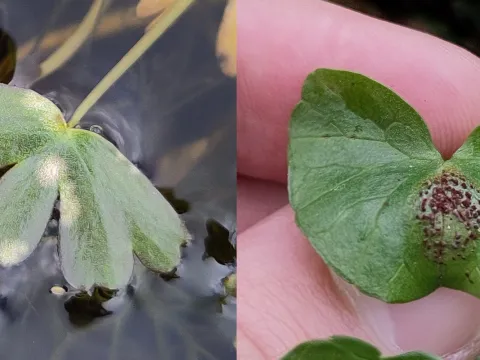
Kickxellomycetes
Kickxellomycetes
The class Kickxellomycetes comprises a unique group of fungi within the subphylum Kickxellomycotina. While most species are soil saprotrophs, some members are known to interact closely with plant root systems.
What the section contains
Kickxellomycetes
These fungi are characterized by specialized structures called pseudophialides, which produce spores that can spread through the soil profile. They often occupy the rhizosphere, interacting with beneficial and pathogenic microbiota.
Under specific environmental stressors, these fungi can act as opportunistic pathogens. They exploit weak points in the root epidermis to colonize the host tissues.
Their biological lifecycle is deeply linked to the decomposition of organic matter in the soil, making them prevalent in fields with high residue levels.
Understanding the specific role of Kickxellomycetes in plant pathology is essential for accurate diagnostics, as they are often misidentified due to their association with other more aggressive soil pathogens.
The development of Kickxellomycetes is heavily influenced by moisture availability. They thrive in environments with high soil water content and warm temperatures, typically ranging from 20 to 28 degrees Celsius.
Poor soil structure and compacted layers create stagnant conditions that favor the rapid colonization of roots by these fungi. This is particularly prevalent in poorly drained fields.
Organic residue management is a critical factor. Fields with significant uncomposted plant debris provide an abundant food source, boosting the fungal population density.
Neutral or slightly acidic soil pH levels are often optimal for their metabolic activity, further facilitating their spread across large agricultural areas.
Insects acting as vectors can also contribute to the dispersal of spores within the field, especially during periods of high humidity and heat.
The economic impact is primarily seen in the restriction of root development. Inhibited root growth leads to poor nutrient uptake, resulting in stunted and chlorotic plants.
Seedling blight is a common consequence in heavily infested soils, causing thinning of the crop stand and significant losses during the early germination stages.
By compromising the root system, these fungi make the crop significantly more susceptible to environmental stressors such as drought and extreme heat.
The toxins produced by some strains can disrupt the plant's metabolic processes, reducing the overall vigor and yield potential of the crop significantly.
The cumulative effect of these fungi often leads to uneven maturation and a reduction in the final harvest quality, impacting the profitability of the agricultural enterprise.
Integrated pest management is the most effective approach to control Kickxellomycetes. Crop rotation is essential to break the pathogen's lifecycle and reduce population levels in the soil.
The use of high-quality, fungicide-treated seeds provides a protective barrier during the most critical early growth phase, allowing the crop to establish a robust root system.
Improving soil drainage and aeration through proper tillage practices is vital to limit the conditions favored by these fungi. This reduces the risk of root colonization.
Biological control agents, such as specific strains of Trichoderma, can be introduced to outcompete and suppress the growth of these fungi in the rhizosphere.
- Optimal fertilizer application to enhance plant stress resistance.
- Effective residue management after harvest to limit food sources.
- Regular soil testing to monitor fungal populations and nutrient balance.