
Description
Symptoms
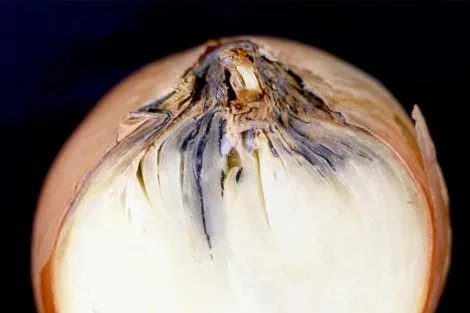
Jelly seed is a physiological disorder characterized by the softening of the fruit pulp in the region surrounding the seed, turning it into a jelly-like mass.
External appearance of the fruit often remains deceptively normal, making the disorder difficult to detect before the fruit is cut open or analyzed.
Upon slicing, the affected area exhibits a translucent, watery texture that deviates significantly from the typical firm, fibrous structure of healthy mango.
In advanced stages of the disorder, a sour or fermented odor may be detected, signaling internal tissue breakdown and loss of metabolic control.
The condition primarily affects the endocarp area but can spread through the mesocarp, effectively ruining the culinary quality of the fruit.
Pathogen
Jelly seed is classified as a non-infectious physiological disorder rather than a disease caused by fungi, bacteria, or viral pathogens.
The primary mechanism behind this condition is a calcium deficiency within the fruit tissue, which disrupts the stability of cell walls.
Disruption in the balance of nutrients, particularly the ratio between nitrogen and calcium, is the fundamental biological driver of the disorder.
Metabolic failure occurs when fruit enzyme systems, which regulate softening, become overactive due to environmental stress and nutritional imbalances.
Studies consistently demonstrate the absence of microbial colonization in the tissues during the onset of the jelly seed symptom.
Conditions for development
High temperature fluctuations during the maturation phase are critical environmental triggers for the development of jelly seed in mangoes.
Improper irrigation practices, such as excessive watering followed by drought, stress the fruit's internal water potential and nutrient uptake.
Prolonged exposure of fruit to intense direct sunlight can lead to localized overheating, which degrades the physical stability of the pulp tissues.
Over-application of nitrogen fertilizers during the early stages of fruit development can induce rapid expansion that outpaces calcium incorporation.
Harvesting fruit too late, after it has reached full maturity, significantly increases the likelihood of physiological tissue breakdown.
Why it matters
Jelly seed causes significant economic loss as affected fruits fail to meet grade standards for export and high-end retail markets.
The hidden nature of the disorder leads to consumer dissatisfaction and increased logistics costs due to high rejection rates upon arrival.
Affected fruits suffer from a rapid decline in shelf life, as the degraded, jelly-like pulp is highly susceptible to secondary pathogen invasion.
Nutritional and sensory qualities, including sugar-acid balance and firmness, are severely compromised, making the fruit unmarketable.
Growers face substantial financial setbacks as there is no reliable non-destructive way to scan entire harvests for this condition.
Protection
Management of calcium levels through targeted foliar applications during the fruit set stage is essential for reinforcing cell wall structure.
Maintaining consistent soil moisture levels throughout the growing season helps prevent the physiological stress that triggers tissue breakdown.
Implementing proper harvesting schedules based on precise maturity indices is crucial to avoiding the transition of fruit into an overripe state.
Selecting mango cultivars known for their resistance to calcium deficiency-related disorders remains the most effective long-term preventative measure.
- Balanced nitrogen and potassium fertilization.
- Canopy management to protect fruit from sunburn.
- Post-harvest cooling to slow down maturation.
Pathogens and affected parts
Affects crops · 1
Discussion
No discussions yet — be the first.