
Description
Symptoms
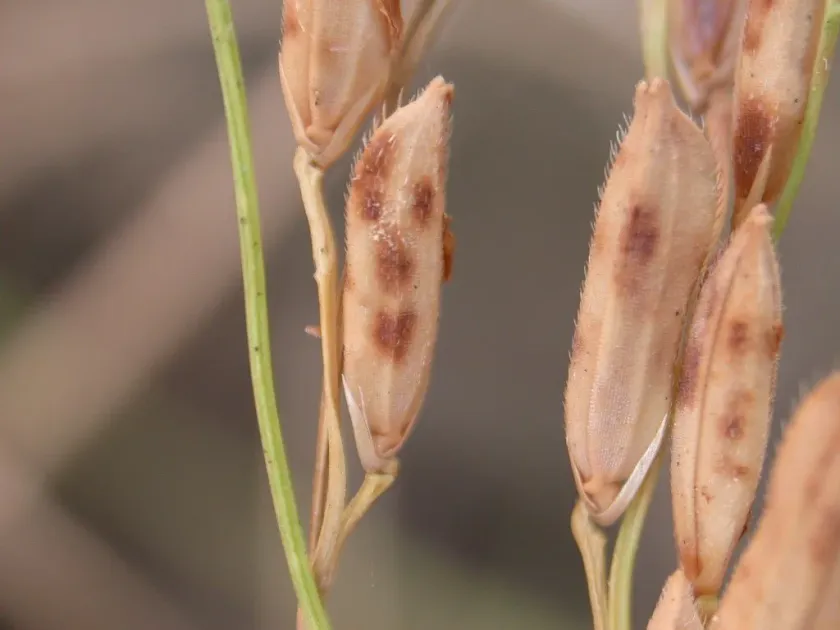
The primary symptom of rice grain discoloration is the change in the hull's color, which turns dark brown, grey, or black during the maturation process in the panicle.
Visible signs often include the presence of fungal mycelium or spores on the glumes, giving the grains a dark, dusty, or mottled appearance, which significantly lowers their visual grade.
Internally, the endosperm may appear discoloured or chalky, losing its natural luster. In severe cases, the grains become shriveled, lightweight, and fragile, which leads to breakage during the milling process.
Affected panicles often show uneven ripening, and in some instances, entire panicles may appear blighted or empty if the infection occurred during the early flowering stages.
A musty odor may be detected in fields with heavy infestation, indicating the rapid growth of secondary pathogens within the weakened grain tissues.
Pathogen
Grain discoloration is a complex disease caused by several fungal pathogens, including species from the genera Curvularia, Alternaria, Helminthosporium, and Fusarium.
The disease is primarily seed-borne, with pathogens surviving as mycelium or spores on the seed surface or within the hull until conditions for infection are favorable.
The severity of the disease and the specific spectrum of pathogens often depend on local environmental conditions and the crop’s susceptibility during the critical anthesis stage.
These fungi act as opportunists, invading the plant tissues through natural openings or wounds created by insects, subsequently colonizing the developing grain.
The collective activity of these microorganisms often leads to necrotic lesions on the spikelets, which eventually darken as the fungi sporulate.
Conditions for development
High relative humidity and frequent rainfall during the flowering and grain-filling stages are the most critical factors favoring the development of this disease.
Poor field management, such as excessive nitrogen fertilization and overcrowding, creates a stagnant microclimate that promotes rapid fungal spore germination and spread.
Infestation by sucking insects, particularly the rice bug (Leptocorisa oratorius), is a major factor that facilitates infection by providing entry points for the fungi.
Temperatures ranging from 22 to 28 degrees Celsius are generally considered optimal for the pathogen's growth and colonization of the maturing grain.
Stagnant water and inadequate drainage in paddy fields increase plant stress, making the crops more vulnerable to infection by soil-borne and air-borne fungal pathogens.
Why it matters
The economic impact of grain discoloration is primarily due to a significant reduction in the milling quality and market value of the harvested rice.
Increased grain breakage during processing leads to higher losses, as discolored grains are often structurally weak and brittle compared to healthy kernels.
The presence of infected grains affects the sensory quality of the final product, potentially making it unsuitable for human consumption due to changes in taste and smell.
In cases of severe infestation, yield losses can be substantial, and the grain may contain mycotoxins, which pose risks to both human and animal health.
Lower germination rates in affected seeds necessitate higher seeding rates or further treatment, adding to the total costs of rice production for the next season.
Protection
The first line of defense is the use of high-quality, disease-free certified seeds, often treated with recommended fungicides to eliminate surface-borne pathogens.
Integrated pest management (IPM) practices, particularly the control of sucking insects, are essential to minimize the physical damage that allows fungal spores to enter the grain.
Balanced crop nutrition, avoiding the overuse of nitrogenous fertilizers, helps in maintaining stronger, more resilient plants that can better resist infection.
Crop rotation and proper field sanitation, including the destruction of rice stubble, help reduce the inoculum load in the soil and prevent carry-over of the disease.
Timely application of systemic fungicides during the panicle emergence stage can effectively protect the developing grains from fungal colonization in high-risk areas.
Pathogens and affected parts
Affects crops · 1
Discussion
No discussions yet — be the first.