
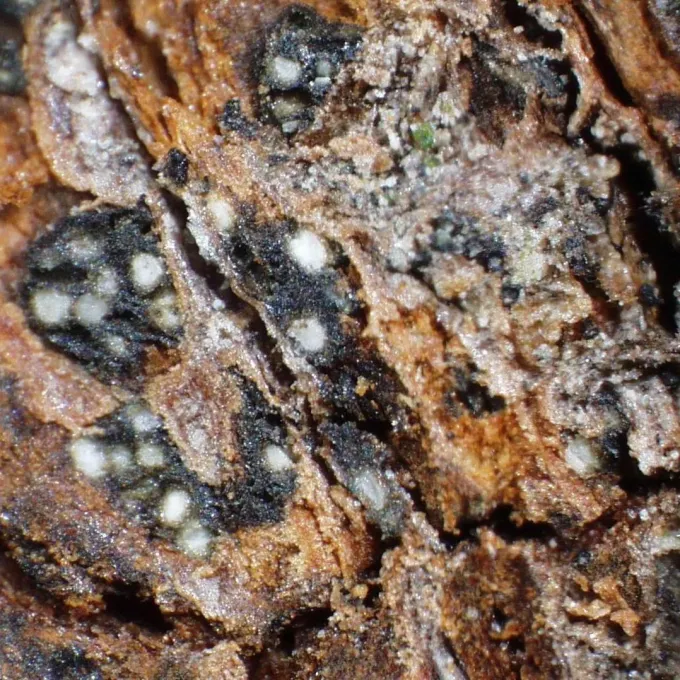
Description
Symptoms
Initial symptoms often appear as dark, water-soaked, or sunken lesions on the bark, which may later darken and become necrotic as the fungus penetrates deeper.
Exudation of sap or gumming is a frequent sign of infection, occurring as the plant attempts to seal off the invaded vascular tissues from the pathogen.
Leaf symptoms include irregular brown necrotic spots, often leading to chlorosis, wilting, and premature defoliation as the tree struggles to transport water.
In fruit, the disease manifests as stem-end rot, where decay starts at the point of peduncle attachment, causing the fruit to soften and rot rapidly after harvest.
Advanced stages are characterised by dieback, where branches wither and die from the tip backwards, eventually compromising the structural integrity of the entire tree.
Pathogen
Dothiorella dieback is caused by fungi of the genus Dothiorella, which are notorious for attacking woody stems, bark, and fruit of various agricultural crops.
The fungus survives in infected branches, dead twigs, and debris on the orchard floor, serving as a reservoir for spores that re-infect healthy tissue each season.
Dispersal is primarily achieved through conidia, which are splashed by rain or wind-blown onto susceptible plant parts, particularly during the growing season.
The disease mechanism involves the colonisation of the xylem and phloem, which leads to tissue necrosis, water stress, and the ultimate collapse of affected limbs.
A wide range of economically important hosts are affected, including mangoes, avocados, citrus, and various deciduous fruit trees in both tropical and temperate climates.
Conditions for development
High humidity and warm temperatures are the primary environmental drivers for the development and rapid spread of Dothiorella infections in the orchard.
Extended periods of rain or fog provide the necessary moisture for spores to germinate and colonise the surface of bark or open pruning wounds efficiently.
Trees experiencing abiotic stress, such as drought, nutrient deficiency, or poor soil conditions, are significantly more susceptible to successful invasion by the fungus.
Inadequate sanitation, such as leaving diseased prunings or mummified fruit on the ground, creates a high spore load that promotes recurring disease cycles.
Dense canopy structures with poor airflow create stagnant, humid microclimates that favour the germination of conidia and long-term survival of the pathogen.
Why it matters
The economic impact of Dothiorella dieback is significant, as it leads to substantial yield losses and reduces the overall lifespan of orchard plantings.
Post-harvest losses are a major issue, as stem-end rot renders the produce unsalable, causing significant financial losses during storage and distribution.
Chronic infection weakens the tree's architecture, making it increasingly vulnerable to secondary pests and extreme weather conditions like strong winds.
Loss of productive scaffolds and the necessity to prune heavily can severely reduce the canopy area, directly impacting photosynthesis and future crop potential.
Management costs are high due to the requirement for persistent sanitation, regular chemical applications, and potential tree replacement programs.
Protection
The most effective strategy is a proactive sanitation program involving the rigorous removal and disposal of all symptomatic branches and fruit remnants.
Disinfecting pruning tools between trees using approved sanitising solutions is crucial to prevent the spread of spores from infected to healthy wood.
Application of copper-based fungicides or other systemic products during high-risk periods can significantly reduce the incidence and severity of the disease.
Maintaining optimal tree vigour through balanced nutrition and proper irrigation helps the host plant resist colonisation by the pathogen.
- Prompt removal of dead or dying wood.
- Application of protective sealants to major pruning cuts.
- Thinning of the canopy to improve air circulation and reduce humidity.
Pathogens and affected parts
Affects crops · 1
Discussion
No discussions yet — be the first.