
Description
Symptoms
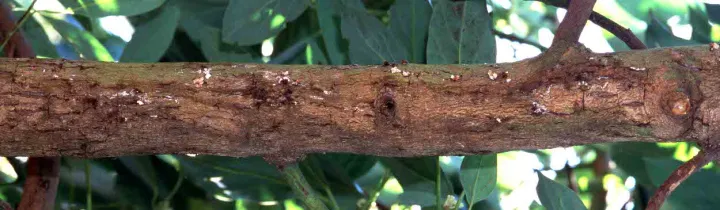
The characteristic sign of Blackstreak is the appearance of numerous longitudinal cracks running along the bark of the avocado tree's trunk and scaffold branches.
These cracks frequently exude a dark, gummy substance that dries into a black, crusty deposit on the surface of the bark, signaling internal distress.
Examination of the tissue beneath the cracks often reveals necrotic zones, where the cambium and underlying tissues exhibit dark brown or black discoloration.
Affected trees typically show symptoms of canopy decline, including yellowing of leaves, leaf drop, and a noticeable reduction in the vigor of new shoot growth.
In advanced cases, the dieback of branches becomes more prominent, leading to a thin canopy and the eventual collapse of the tree's vascular transport system.
Pathogen
The exact pathogen responsible for Blackstreak remains largely unidentified, leading researchers to classify it as a disease of unknown etiology.
Many scientists suggest that Blackstreak is not caused by a single organism but is a result of a complex interaction between genetic factors and the environment.
Some studies indicate that specific avocado cultivars possess a higher predisposition to this condition when grown under certain environmental stressors.
Secondary colonization by various fungi is often observed in the cracks, but these are generally considered opportunistic rather than the primary cause.
Because the primary agent remains elusive, the condition is primarily treated as a physiological disorder requiring a multifaceted management approach.
Conditions for development
Dramatic fluctuations in temperature are recognized as a major stress factor, causing unequal expansion and contraction of tree tissues, which leads to bark cracking.
Irregular irrigation schedules that result in either waterlogged conditions or prolonged drought periods destabilize the tree's internal water balance.
Inadequate airflow within the orchard can increase humidity levels, facilitating the spread of secondary pathogens that colonize the open wounds caused by Blackstreak.
Excessive application of nitrogen-based fertilizers can force rapid, succulent growth that is physically more prone to structural damage and cracking.
Soil quality, specifically heavy soil types with poor drainage, limits root health and exacerbates the tree's susceptibility to physiological stressors.
Why it matters
Blackstreak significantly impairs the economic viability of avocado orchards by reducing fruit yield and overall orchard longevity.
The damage to the vascular tissue directly interferes with the translocation of water and essential nutrients, leading to poor tree nutrition and stunted growth.
Open bark fissures create entry points for secondary infections, including fungal pathogens and wood-boring insects, which further weaken the tree's defense system.
In severe instances, the damage becomes irreversible, necessitating the removal of the tree to prevent the spread of opportunistic pests to healthier specimens.
The chronic nature of the disease imposes a heavy burden on growers, requiring ongoing monitoring and specialized care to maintain the orchard's productivity.
Protection
Selecting disease-resistant or tolerant avocado cultivars is the most effective long-term strategy for minimizing the incidence of Blackstreak in new plantings.
Maintaining consistent soil moisture levels through advanced irrigation systems helps to mitigate stress-related physiological bark cracking.
Regular orchard maintenance, including the removal of dead or dying limbs and keeping the trunk clear, helps reduce the impact of secondary infections.
Applying white latex paint or specialized tree washes to the trunks can protect the bark from thermal stress and severe temperature swings during the day.
A balanced nutritional program, focusing on calcium and potassium, helps strengthen cell walls and improves the tree's resilience to external environmental pressures.
Pathogens and affected parts
Affects crops · 1
Discussion
No discussions yet — be the first.