
Description
Symptoms
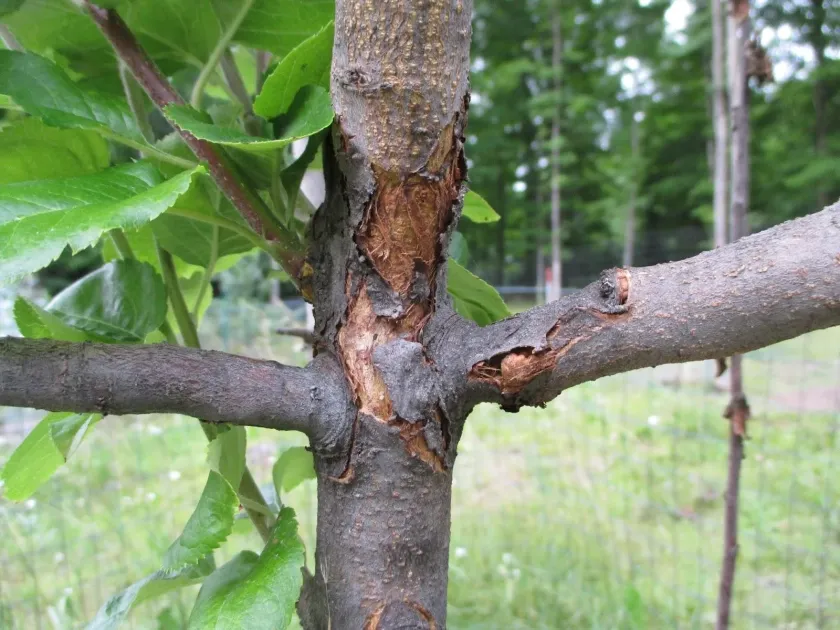
The most prominent symptom is the development of distinct blisters, bumps, or rough patches on the bark of the trunk and primary branches. The bark often appears thickened, cracked, and significantly deformed.
Affected areas show irregular growth patterns, making the bark look aged or unhealthy compared to surrounding normal tissue. In severe cases, the bark may peel or crack, creating entry points for opportunistic fungi.
Leaves on infected branches may exhibit chlorosis, curling, or overall poor development. Such visual cues often appear during periods of active growth, indicating metabolic disruption caused by the virus.
Growth of terminal buds is often stunted, leading to reduced vigor and short internodes. The tree appears weak and lacks the structural integrity of a healthy apple tree.
Fruit symptoms include stunted size, surface russeting, and abnormal skin texture. The fruit may also become misshapen, significantly reducing its commercial value and storage life.
Pathogen
Apple rough skin is a viral disease primarily affecting domestic apple trees (Malus domestica). The pathogen belongs to the group of viruses that cause systemic infection throughout the host plant tissues.
The virus is typically introduced into orchards via infected scion wood used during the grafting process. Once established, the pathogen spreads through the tree's phloem, eventually affecting the entire structure of the plant.
Transmission in existing orchards occurs mainly through mechanical means, such as pruning tools contaminated with sap from infected trees. The virus can persist indefinitely within the living tissue of the tree.
It is classified as a persistent virus, meaning once a tree is infected, it remains a carrier for its entire lifespan. There are no curative chemical treatments available to eliminate the virus from infected trees.
The biological impact on the tree involves the disruption of normal cellular development in the bark and outer layers. This systemic disturbance causes the characteristic roughening and pathological growth patterns.
Why it matters
Apple rough skin causes substantial reductions in yield and fruit quality. As the infection progresses, the tree's ability to produce marketable fruit declines, leading to long-term economic losses.
The structural damage to the bark inhibits the tree's physiological functions, including the transport of water and nutrients. Over time, this leads to the general decline of the tree's health and vitality.
Damaged trees are more susceptible to winter injury and environmental stress. The compromised bark tissue cannot protect the tree during extreme temperature fluctuations, leading to dieback.
The presence of the virus in an orchard acts as a reservoir, posing a constant risk to nearby healthy trees. Without proper management, the disease can gradually spread throughout the entire plantation.
Increased susceptibility to secondary pests and pathogens often complicates the maintenance of infected trees. This requires additional resources for disease management and constant monitoring of the orchard.
Protection
The primary prevention strategy is the exclusive use of virus-free, certified rootstocks and scion wood. Sourcing planting material from reputable nurseries is the only way to avoid introducing the virus.
Implementing strict sanitation protocols is essential for pruning and maintenance. Tools must be thoroughly disinfected with alcohol or other appropriate solutions between different trees to prevent cross-contamination.
Orchard managers should practice routine inspections to identify and remove symptomatic trees. Early detection and culling of infected individuals are necessary to prevent further spread within the block.
Managing insect vectors, such as aphids, leafhoppers, or other sap-sucking pests, is a crucial part of the integrated pest management program. Controlling these vectors helps minimize the risk of virus transmission.
Maintaining optimal orchard health through balanced fertilization and irrigation helps the trees withstand the stress of the infection longer. Although it doesn't cure the virus, it helps sustain production for a longer period.
Pathogens and affected parts
Affects crops · 1
Discussion
No discussions yet — be the first.