
Plectonema
Plectonema
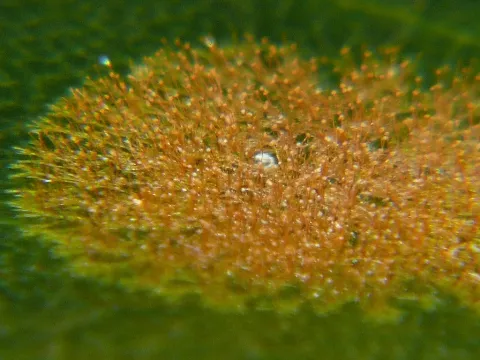
Plectonema is a genus of filamentous cyanobacteria that can form dense mats on soil surfaces, hydroponic systems, and moist greenhouse substrates.
What the section contains
Plectonema
While often considered harmless in natural aquatic environments, in agricultural settings, they act as opportunistic pests by covering growing media.
They are capable of photosynthesis, which allows them to colonize any well-lit, damp surface, regardless of the organic matter content.
Propagation is primarily achieved through hormogonia, which can easily be transferred via contaminated water supplies or agricultural tools.
These organisms are highly resilient and can survive dormant periods, making them difficult to eradicate once they are established in a growing facility.
The most visible symptom is the formation of a dark green, bluish, or black slimy layer covering the topsoil or substrate surface.
When the surface dries out, this layer often cracks and turns into a brittle, crust-like coating that hinders proper oxygen exchange.
In hydroponic setups, these algae can form thick biofilms around plant roots, restricting water and nutrient uptake and leading to root decay.
Plants affected by Plectonema typically exhibit signs of stress, such as chlorosis, stunted growth, and a general loss of vigor.
An unpleasant, musty, or swamp-like odor is often present in areas where Plectonema colonies are actively thriving.
Plectonema thrives in environments with high moisture levels and constant light, which are common in greenhouse production systems.
Excessive fertilization, particularly high nitrogen and phosphorus levels, provides a nutrient-rich environment that promotes rapid algal growth.
Poor ventilation and high humidity levels in cultivation rooms create the perfect conditions for the algae to spread rapidly across surfaces.
Irrigation with contaminated water or the reuse of non-sterilized substrates is a primary source of introduction into the greenhouse environment.
Low levels of competition from beneficial soil microbes, often caused by sterile substrate use, allow Plectonema to dominate the environment.
The physical barrier formed by the algal mat restricts oxygen diffusion to the roots, which can lead to hypoxia and root rot diseases.
Cyanobacteria may release allelopathic substances that negatively affect plant growth and interfere with beneficial microbial populations in the soil.
The presence of Plectonema layers increases surface moisture retention, providing an ideal microenvironment for other dangerous fungal pathogens.
Crop yields can be significantly reduced due to plant stress, nutrient deficiency, and the secondary health issues caused by root suffocation.
The presence of algal crusts makes it difficult for growers to monitor soil moisture accurately, often leading to improper watering cycles.
Management should focus on reducing surface moisture by improving drainage and optimizing irrigation schedules to allow drying between cycles.
Mechanical cultivation of the top layer of the soil helps to break the algal mat and improves aeration, which effectively inhibits colony growth.
Covering the surface with inorganic mulch, such as coarse sand or perlite, blocks light and prevents the algae from photosynthesizing.
Strict sanitation protocols, including the disinfection of benches, trays, and tools, are essential to prevent the spread of algal spores.
The application of specific algaecides can be considered, provided they are registered for use on the specific crop to avoid potential phytotoxicity.