
Description
Symptoms
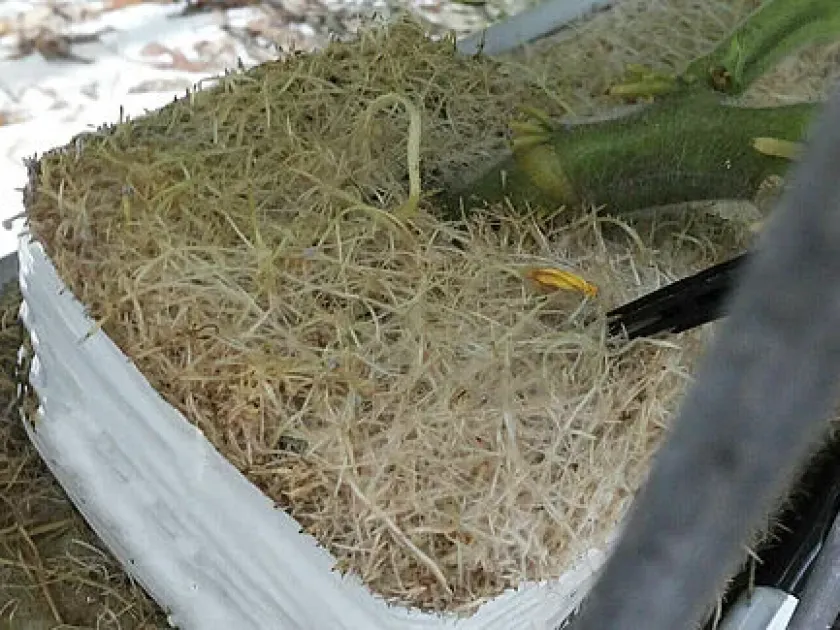
The hallmark symptom is the development of an abnormally dense and branched root system. These roots appear thin, short, and massed together, resembling a "hairy" beard.
Infected plants show stunted growth. Because the root system is functionally impaired, it cannot support the nutrient and water demands of the aerial parts of the plant.
Leaves often become chlorotic or show signs of nutrient deficiency, even if the soil is properly fertilized. The overall plant vigor is significantly diminished.
In nursery settings, it is common to observe these tangled root clusters when plants are lifted, making it obvious that the plant is not viable for long-term production.
- Apple tree (Malus domestica)
- Rose (Rosa)
- Raspberry (Rubus idaeus)
Pathogen
The disease is caused by the soil-borne bacterium Agrobacterium rhizogenes. This pathogen is known for its ability to transfer a portion of its DNA (T-DNA) into the genome of the host plant.
This genetic transfer leads to the production of plant hormones such as auxins, which cause the proliferation of adventitious roots in the infected area.
The bacterium infects plants through wounds and abrasions on the roots. It survives well in soil environments, utilizing root exudates as a nutrient source.
It is closely related to Agrobacterium tumefaciens, but instead of forming galls, it triggers the formation of a dense, hairy root network.
Biotechnologically, this bacterium is used for genetic transformation, but in agricultural settings, it is a persistent and damaging pathogen that disrupts normal plant development.
Conditions for development
Agrobacterium rhizogenes thrives in moderate temperatures, typically between 18°C and 25°C. These conditions favor rapid colonization of the rhizosphere.
Moist soil conditions are ideal for the survival and movement of the bacteria towards root wounds. Over-irrigation can exacerbate the spread of the infection.
Any agricultural activity that results in root injury, such as mechanical weeding, deep cultivation, or transplanting, facilitates the entry of the pathogen into plant tissues.
Soil pH plays a critical role in the bacterium's survival, with neutral to slightly alkaline soils providing the best environment for bacterial activity.
Poorly drained or compacted soils limit plant health and allow for the accumulation of the pathogen in the soil over consecutive seasons.
Why it matters
The primary economic harm occurs in nurseries, where infected batches must be discarded. This leads to substantial financial losses for growers and suppliers.
For established crops like apple trees or raspberries, the disease reduces overall productivity. Fruit quality is often poor, and the yield per plant drops significantly.
Roses and other ornamental plants lose their aesthetic value. Because the root system cannot function effectively, the plants often die during environmental stress, such as drought or winter frosts.
Once established in a field, the bacteria are very difficult to eliminate. This forces farmers to switch to non-host crops for extended periods, reducing land-use efficiency.
The inability to absorb essential minerals results in weak, sickly plants that are more susceptible to secondary fungal or viral infections.
Protection
Prevention is the most effective management strategy. Using certified, disease-free nursery stock is essential to keep the pathogen out of new fields.
Strict sanitation protocols must be followed. All tools used for grafting, pruning, or root management should be sterilized between different plants to prevent cross-contamination.
Avoid injuring the root system during maintenance. If an infected plant is identified, it should be immediately removed along with the surrounding soil and destroyed.
Biological control agents, including certain beneficial rhizobacteria, may help suppress the growth of Agrobacterium rhizogenes in the soil.
If a plot is heavily infested, crop rotation with non-host species is necessary for several years before returning to susceptible crops like roses or orchard trees.
Pathogens and affected parts
Affects crops · 3
Discussion
No discussions yet — be the first.