
Verticillium chlamydosporium
Verticillium chlamydosporium
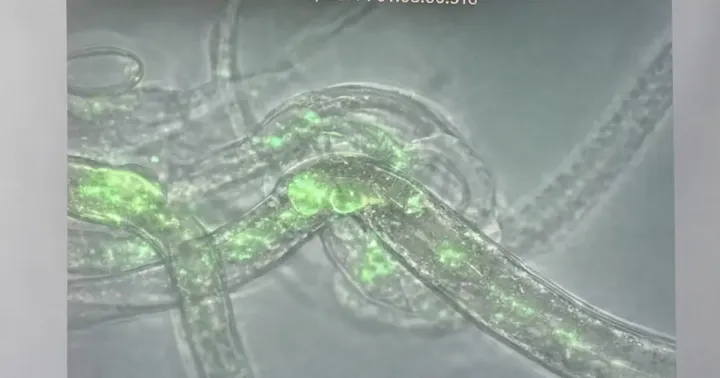
Description
Pathogen
Verticillium chlamydosporium, taxonomically reclassified as Pochonia chlamydosporia, is not a plant pathogen but a highly effective nematophagous fungus.
This organism belongs to the group of beneficial soil microorganisms that act as natural enemies of various plant-parasitic nematodes, such as Meloidogyne species.
It colonizes the rhizosphere of crops and directly attacks nematode eggs and cysts, significantly reducing the population of these harmful pests in the soil.
The fungus produces thick-walled chlamydospores, which allow it to persist in the soil environment for extended periods, even when nematode hosts are scarce.
In modern agricultural practices, it is valued for its ability to create a protective barrier around roots, promoting overall plant vigor and long-term soil health.
Conditions for development
The activity of the fungus depends heavily on favorable soil conditions, including adequate moisture and moderate temperature levels for active mycelial growth.
The optimal temperature range for the development of the fungus in agricultural soils is typically between 20°C and 28°C, aligning with the needs of most summer crops.
The presence of organic matter is crucial, as it provides the necessary nutrients for the fungus to establish and colonize the rhizosphere effectively.
Neutral or slightly acidic soil pH is ideal for the metabolic processes of this fungus, ensuring robust performance against soil-borne nematode pests.
During unfavorable conditions, such as extreme desiccation or nutrient depletion, the organism forms resilient resting structures that ensure its survival until the next season.
Why it matters
It is critical to distinguish this organism from the pathogenic species of the Verticillium genus, as V. chlamydosporium does not damage plant tissues.
Instead, it acts as a biocontrol agent, preventing the damage typically caused by nematodes to the root vascular system and nutrient absorption capabilities.
The economic impact of this fungus is purely positive, as it minimizes crop losses caused by nematode infestations in both greenhouse and field conditions.
Its application supports sustainable farming by providing a safe alternative to synthetic nematicides that can be harmful to the environment.
There are no negative side effects to crops associated with the use of this fungus, making it a highly desirable component in integrated pest management systems.
Protection
Effective management using Pochonia chlamydosporia relies on the strategic application of bio-formulations designed to increase the density of fungal spores in the root zone.
Application is most successful when carried out before or at the time of planting to ensure the fungus is present before the arrival of nematode pressure.
- Regular incorporation of green manures to enrich soil biodiversity.
- Avoidance of broad-spectrum soil fungicides that negatively affect beneficial fungal populations.
- Use of certified high-quality bio-control products containing viable spore counts.
Prophylactic measures focus on maintaining a healthy soil microbiome, which naturally supports the persistence and activity of beneficial nematophagous fungi.
Integrated soil management, including crop rotation and proper irrigation, significantly enhances the natural biocontrol capabilities of the environment.
Discussion
No discussions yet — be the first.