
Verrucalvaceae
Verrucalvaceae
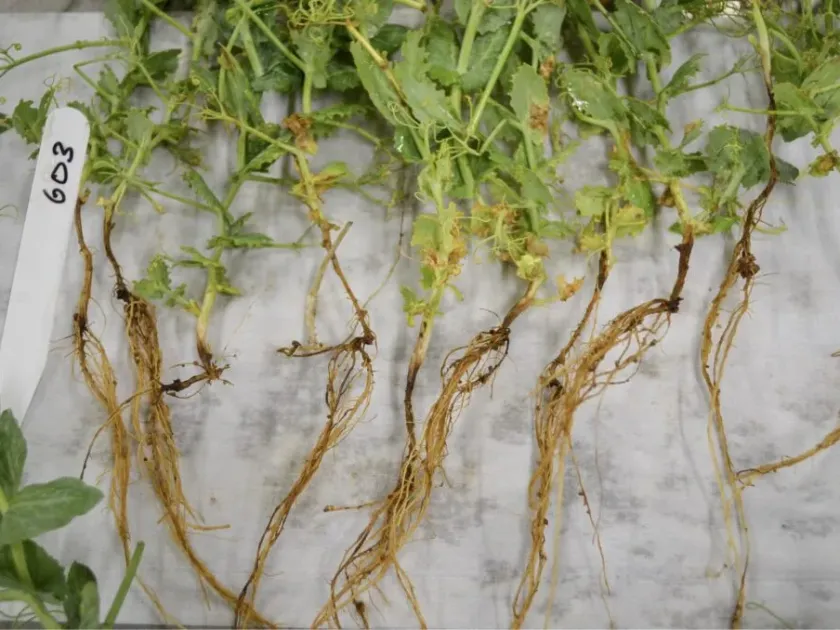
Description
Symptoms
The primary clinical sign of Verrucalvaceae infection is the development of localized necrotic lesions. These spots are usually brown, gray, or black, depending on the host species and the stage of fungal development.
Tiny, dark, pinhead-sized structures often appear within the necrotic lesions, representing the fungal reproductive organs. These are easily visible under low magnification or to the naked eye on mature spots.
Severe infection leads to leaf yellowing (chlorosis) around the necrotic patches. Eventually, the infected tissue becomes brittle, cracks, and may fall out, creating a "shot-hole" appearance on the foliage.
In systemic or stem-attacking cases, the fungus causes cankers or bark cracking. This disrupts the plant's vascular system, leading to wilting of the parts above the infection point.
Early diagnosis is challenging as symptoms can be subtle, appearing as minor discolorations before developing into visible spots. Constant scouting is required to prevent widespread outbreaks.
Pathogen
Verrucalvaceae is a family of sac fungi (Ascomycota) belonging to the order Pleosporales. These fungi are highly specialized pathogens that have adapted to specific host plants, often showing high virulence under favorable conditions.
The pathogen is characterized by the production of pseudothecia, which are small, flask-shaped fruiting bodies that typically develop within host tissues. This internal growth strategy provides protection against environmental stress.
The fungus reproduces through both sexual and asexual cycles, with the latter often being responsible for rapid disease spread during the growing season through wind-dispersed conidia.
As necrotrophic pathogens, members of this family secrete phytotoxins that induce cell death in the host plant. They then obtain nutrients from the decaying tissue, facilitating further colonization.
The biological cycle of these fungi is deeply intertwined with host phenology. They often wait for specific signaling molecules from the host or environmental triggers to initiate infection and reproduction.
Conditions for development
High relative humidity is the most critical environmental factor promoting disease development. Moisture films on leaf surfaces are necessary for spore germination and successful fungal penetration.
Optimal temperatures for mycelial growth typically fall between 18 and 24 degrees Celsius. In these conditions, the incubation period is minimized, leading to a faster turnover of infection cycles.
Poor ventilation within dense crop canopies creates a microclimate characterized by stagnant, humid air, which significantly enhances the spread and severity of the fungal pathogen.
Rain splash is a common mechanism for the local dispersal of conidia. Heavy rainfall followed by warm, calm periods creates a "perfect storm" for rapid infection of the entire field.
Plant stress, whether caused by nutrient deficiency, drought, or previous pest damage, compromises the host's innate defenses, making it significantly more susceptible to Verrucalvaceae invasion.
Why it matters
The main impact of this disease is the reduction of total photosynthetic area. Reduced photosynthesis leads to stunted plant growth and poor vigor, ultimately resulting in significant yield losses.
Infections affecting fruits or flowers can lead to direct aesthetic and quantitative damage. Infected produce is often prone to post-harvest rot, making it unsuitable for long-term storage or market sale.
The energy expenditure required for a plant to attempt to contain the fungal infection weakens its overall physiological resilience. This leaves the crop more vulnerable to secondary infections.
Economic losses are compounded by the high costs of chemical interventions, labor, and potential yield rejections due to quality degradation caused by the fungal spots.
In orchards or perennial crops, repeated annual infections can cause branch dieback, leading to a cumulative decline in plant health and shorter economic life of the plantation.
Protection
Integrated pest management (IPM) is essential for effective control. This starts with the use of resistant or tolerant cultivars, which is the most sustainable and cost-effective strategy.
Sanitation practices are vital to break the infection cycle. Removing and destroying crop debris after harvest significantly reduces the overwintering inoculum in the field.
- Ensuring proper plant spacing to improve air circulation.
- Balanced fertilization to promote strong but not succulent growth.
- Pruning and removing infected branches to prevent spread.
- Applying fungicides preventively during high-risk conditions.
Chemical control involving fungicides should be used in accordance with regional regulations. Rotating systemic and contact fungicides helps manage the risk of the pathogen developing resistance.
Regular field scouting for early symptoms enables precise, localized applications of treatments. This approach saves costs and minimizes the environmental footprint of agricultural activities.
Discussion
No discussions yet — be the first.