
Description
Symptoms
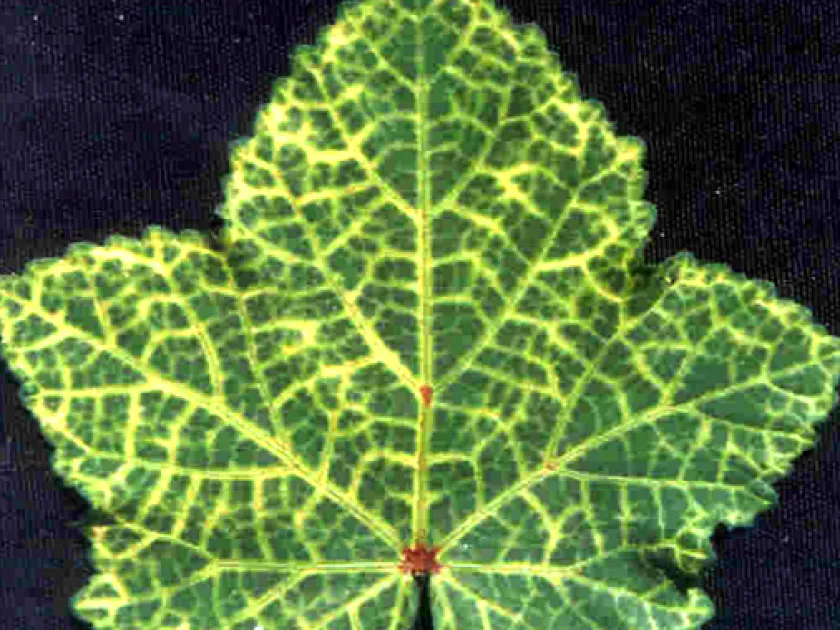
The characteristic sign of Vein mosaic is the formation of a chlorotic or yellowish pattern along the leaf veins. This network of yellowing gives the leaf a mosaic-like appearance, which is most visible on young, actively growing foliage.
Symptoms are typically most prominent early in the growing season. As the leaves mature, the chlorotic pattern may fade, though the systemic viral infection remains present within the plant's vascular network.
Affected vines often show signs of stunted growth and shortened internodes. The shoots may become distorted or zigzagged, making the canopy management and pruning more difficult for the vineyard worker.
Leaf deformation is another common sign. The leaves may appear asymmetrical or wrinkled, which directly correlates with the severity of the viral impact on the plant's metabolic pathways.
During the reproductive phase, infected vines frequently experience poor fruit set. This leads to loose clusters with irregularly sized berries, significantly reducing the final yield and fruit quality.
Pathogen
Vein mosaic is a viral disease affecting grapevines, often classified within the infectious degeneration complex. The causative agent is the Grapevine vein mosaic virus (GVMV), which colonizes the vascular tissues of the vine.
The virus acts as a systemic pathogen, moving through the phloem and disrupting the normal physiological processes of the grapevine. Because it lives within the host's tissue, it is easily spread through vegetative propagation.
In field conditions, the disease is transmitted by soil-dwelling nematodes of the Xiphinema genus. These vectors feed on infected root systems and subsequently transmit the virus when feeding on the roots of healthy plants.
Grafting is the most significant human-mediated pathway for spreading the disease. Using scions or rootstocks from an infected mother vine ensures that the virus will establish itself in the new plant material immediately.
Once inside the plant, the virus remains persistent. It does not survive for long periods in the soil independently of the roots, meaning that the removal of all infected root debris is a critical step in site decontamination.
Conditions for development
The primary driver for the spread of Vein mosaic is the introduction of infected plant material. Using unchecked propagation material from vineyards with unknown health status is the most common cause of outbreaks.
Environmental conditions that favor the proliferation of nematode vectors, such as moist and well-structured soils, increase the rate of disease spread within the vineyard. High-clay soils that retain moisture can support larger populations of Xiphinema.
Poor agricultural practices, such as excessive mechanical cultivation that injures the root system, can facilitate nematode infection. Damaged roots are more attractive and accessible to virus-carrying vectors.
Plant stress, induced by drought, nutrient deficiencies, or overcropping, exacerbates symptom expression. A stressed vine has fewer resources to limit viral replication within its tissues.
Replanting vineyards on the same site immediately after removing diseased vines is risky. Residual roots in the soil can remain viable for a period, allowing the virus to persist and transfer to the new, healthy seedlings.
Why it matters
Vein mosaic causes significant economic losses for grape growers by reducing vine vigor and longevity. Infected plants become progressively weaker, leading to a decrease in the number of years the vineyard remains profitable.
Fruit quality is severely impacted by the disease. Berries from infected vines tend to have lower sugar levels and poor acidity balance, making them unsuitable for producing high-quality wines or premium table grapes.
The cumulative effect of infectious degeneration reduces the photosynthetic capacity of the canopy, which hampers the vine's ability to accumulate necessary carbohydrate reserves for the winter.
Increased vulnerability to other biotic and abiotic stresses is a hallmark of this disease. Vines with Vein mosaic are often more prone to winter damage and secondary infections by fungi or bacteria.
For nurseries, the presence of this virus is catastrophic, leading to large-scale culling of stock and loss of certification, which undermines the trust and sustainability of the viticulture industry.
Protection
The most effective strategy is the use of certified virus-free plant material. Sourcing vines from reputable nurseries that employ rigorous testing programs is the cornerstone of prevention.
Regular vineyard inspections are essential. Any vine exhibiting symptoms of Vein mosaic should be promptly rogued, including its entire root system, to prevent spread to neighboring plants.
Nematode control is critical for managing the risk in infested soils. This includes the use of nematicides or fallowing the land for several years to decrease the vector population before replanting.
- Prioritize certified virus-indexed clones for all new plantings.
- Disinfect pruning tools between vines to prevent mechanical transmission.
- Manage weed populations that may harbor nematodes.
- Conduct annual health assessments of mother blocks.
After removal of infected vines, maintaining a fallow period or planting non-host cover crops can help exhaust the nematode population, significantly lowering the risk for future vineyard re-establishment.
Pathogens and affected parts
Affects crops · 1
Discussion
No discussions yet — be the first.