
Vanilla mosaic
Vanilla mosaic virus
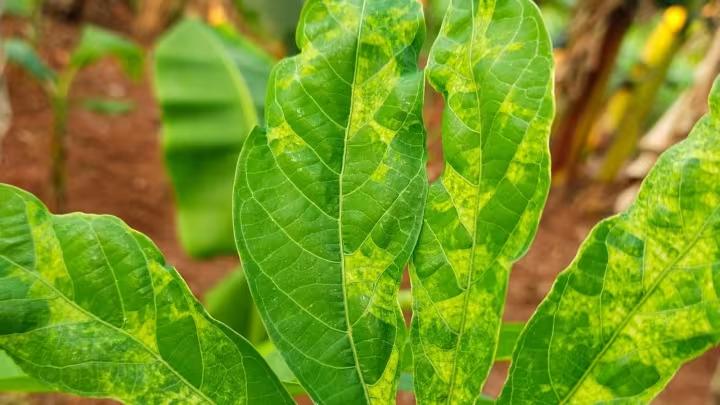
Description
Symptoms
The primary symptom is a mosaic-like pattern of chlorotic light and dark green patches on the leaves. Infected foliage often shows severe distortion, crinkling, and loss of normal tissue turgor.
Stems may display necrotic streaks or localized lesions, indicating a systemic viral invasion. Overall plant growth is significantly stunted, leading to shortened internodes and a weakened, dwarfed appearance.
Vanilla pods (beans) from infected plants are often deformed, discolored, and reduced in size. The quality of the final product is severely compromised, showing a drastic reduction in vanillin content and aroma profile.
The physiological stress caused by the virus results in premature senescence and shedding of flowers. This directly impacts the yield potential, often leading to a total failure of the reproductive phase.
Early-stage diagnosis is frequently challenging as symptoms might be confused with nutrient deficiencies. Definitive identification requires diagnostic tools like ELISA or PCR testing to confirm the presence of the pathogen.
Pathogen
The causative agent of the disease is the Vanilla mosaic virus (VanMV), a member of the Potyvirus genus. It is a plant virus with a flexible filamentous structure containing single-stranded RNA.
The virus primarily affects Vanilla planifolia and other cultivated species of the Vanilla genus. It is highly virulent and can compromise the health of an entire plantation if left unmanaged.
Transmission occurs primarily through aphid vectors in a non-persistent manner. Additionally, the virus is easily spread mechanically through contaminated pruning tools and other agricultural equipment.
Infected cuttings or plant material are the primary source of the virus in new locations. Once established, the virus spreads systemically throughout the entire vascular system of the vanilla vine.
At the biochemical level, the virus interferes with chloroplast function, significantly reducing the plant's ability to perform photosynthesis. This depletion of metabolic resources makes the plant highly susceptible to secondary stressors.
Conditions for development
The disease spread is heavily dependent on the population density of aphid vectors. Warm and humid conditions favor both the growth of the vanilla plant and the proliferation of insect pests, creating high-risk periods.
Close spacing in high-density cultivation facilitates rapid transmission of the virus from infected vines to healthy ones via mechanical contact. Poorly planned planting designs often exacerbate the rate of infection.
The failure to sterilize pruning tools between individual plants is the most common cause of intra-plantation spread. The virus remains infectious on blades for a sufficient amount of time to allow transmission.
Plants under environmental stress, such as drought or excessive moisture, have weakened immune responses. This susceptibility allows the virus to colonize tissues more efficiently and show severe symptoms faster.
The continuous cultivation of vanilla on the same land without proper fallow periods or the use of diseased planting stock are the main drivers of infection outbreaks. Proper quarantine measures are often lacking in small-scale farming.
Why it matters
The economic impact is severe due to the loss of commercial quality, making the harvested pods unfit for the gourmet spice market. Total plantation failure is a significant risk for commercial growers.
Viral infection leaves the plant unable to store sufficient reserves for fruit development. This depletion makes the vine vulnerable to root rot pathogens, leading to complex disease profiles that are difficult to manage.
Long-term productivity is drastically reduced, shortening the productive lifespan of the vanilla plantation. Replacing an entire field of infected vines requires substantial capital investment and time.
The market value of the crop drops to zero when symptoms are visible on the pods. This leads to substantial income losses for farmers and limits their competitiveness in the international supply chain.
Viral spread can threaten the agricultural viability of entire regions where vanilla is a staple crop. The persistent nature of the pathogen makes eradication efforts very difficult and costly.
Protection
The cornerstone of management is the exclusive use of virus-free planting material derived from tissue culture (meristem cloning). Certification programs for healthy cuttings are essential for the industry.
Rigorous control of aphid populations through integrated pest management (IPM) is necessary to reduce the primary transmission vectors. Periodic monitoring is critical to trigger early intervention.
Sanitation is paramount: immediately remove and incinerate any plants showing symptoms to prevent further spread. The removal of reservoir plants in the vicinity of the plantation is also recommended.
Tools must be disinfected with appropriate chemical agents, such as bleach solutions or ethanol, after use on each individual plant. Strict adherence to this protocol drastically slows the rate of secondary infections.
Building physical barriers or utilizing shade structures with insect-proof netting can provide a degree of protection against flying vectors. Promoting plant vigor through balanced nutrition also helps the crop withstand stress.
Discussion
No discussions yet — be the first.