
Valsa canker
Valsaceae
Description
Symptoms
The earliest symptom is the emergence of discolored, sunken areas on the bark that appear reddish-brown or dark brown in texture.
As the infection progresses, the affected bark may crack or split, creating distinct margins between the diseased tissue and the living, healthy bark.
Small, pinhead-sized structures called pycnidia appear on the surface of the canker, which are indicative of active fungal development.
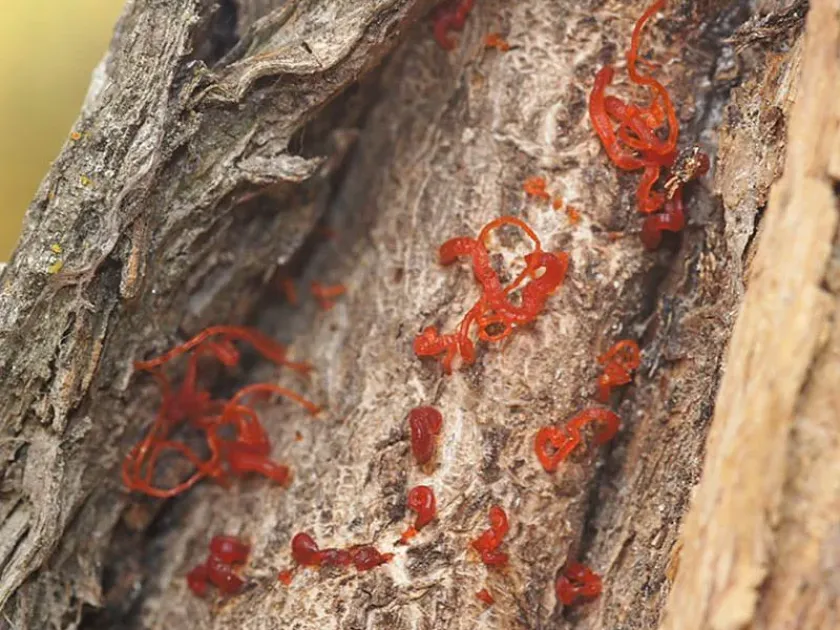
Under high humidity, these pycnidia release microscopic spores in the form of yellowish or orange tendrils, often visible to the naked eye.
Dieback of branches or twigs is a common consequence, with foliage turning yellow and wilting as the tree's internal transport system fails.
Pathogen
Valsa canker is primarily caused by fungi belonging to the family Valsaceae, with the most common genera being Valsa and Cytospora.
These fungi act as opportunistic pathogens that predominantly invade trees already weakened by environmental stress or physical injuries.
The pathogen persists as mycelium and fruiting structures known as pycnidia, residing within the bark and cambial tissues of the affected host plant.
Spore dissemination is facilitated by rain splashes, wind currents, and mechanical transmission via contaminated pruning tools used in the orchard.
The fungus is capable of surviving for extended periods in dead wood, serving as a permanent source of inoculum for neighboring healthy plants.
Conditions for development
Environmental stress, such as drought, frost damage, or sunburn, creates the perfect entry point for fungal spores to invade the tree's vascular system.
High humidity and prolonged periods of wet weather during spring are critical factors that promote spore germination and rapid mycelial growth.
Inadequate orchard maintenance, such as lack of proper pruning hygiene, allows the pathogen to establish itself and spread throughout the canopy.
Overcrowded plantations with poor air circulation increase the duration of surface moisture on bark, which encourages fungal colonization.
Improper fertilization or poor soil conditions lead to general plant weakness, reducing the tree's natural defense mechanisms against the infection.
Why it matters
Valsa canker causes severe damage by destroying the cambium, effectively girdling branches and preventing the flow of essential nutrients and water.
Persistent infections lead to significant branch dieback, which reduces the photosynthetic capacity and overall vigor of the affected fruit trees.
Economic losses are substantial when the disease hits young orchards, often necessitating the total removal and replacement of affected specimens.
Reduced fruit quality and lower yields occur as the tree redirects energy toward internal repair rather than reproductive development and crop production.
The presence of the disease in a plantation poses a chronic risk, potentially leading to the gradual decline of the entire horticultural site.
Protection
Effective management begins with strict sanitation: pruning and removing all dead or cankered wood, followed by its immediate disposal from the site.
All pruning tools must be disinfected with alcohol or other appropriate solutions after every cut to prevent cross-contamination between trees.
Providing optimal growing conditions, including proper irrigation and soil management, significantly enhances the tree's ability to resist infection.
Applying copper-based fungicidal sprays during the dormant season is a standard practice to suppress fungal spore loads and protect sensitive bark.
Protecting trunks from temperature extremes through whitewashing can prevent sunscald, thereby reducing the number of entry points for the pathogen.
Discussion
No discussions yet — be the first.