
Maple powdery mildew
Uncinula tulasnei
Description
Symptoms
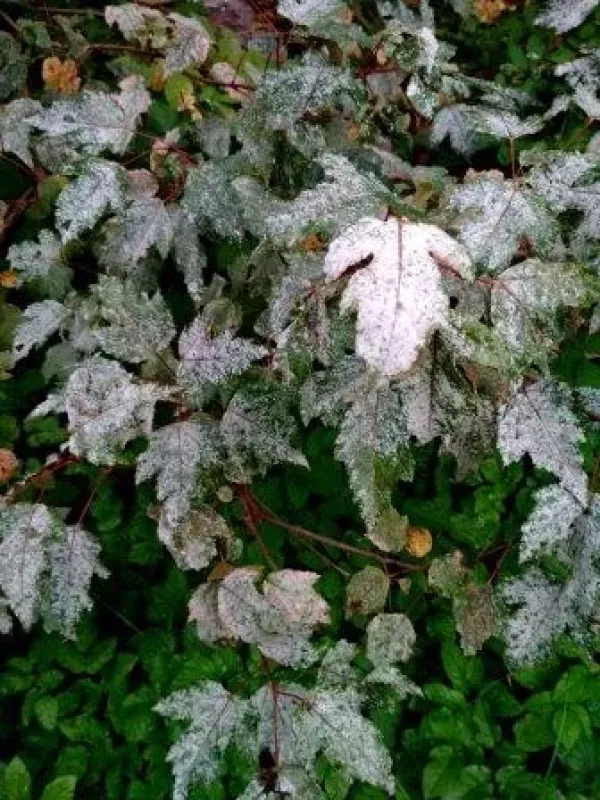
The primary symptom is the appearance of white, powdery, mycelial patches on both surfaces of the leaves and on tender young shoots.
As the infection progresses, these white spots expand and merge, eventually coating the foliage with a dense, flour-like fungal mat.
In late summer, tiny, dark, grain-like structures known as cleistothecia appear on the surface of the mycelium, signaling the transition to the sexual stage.
Infected leaves often exhibit curling, distortion, and yellowing, and if the infestation is severe, they may become necrotic and brittle.
Premature leaf drop is a common consequence of heavy infection, which significantly impairs the tree's health before the dormant period.
Pathogen
The disease is caused by the fungus Uncinula tulasnei (also known as Erysiphe tulasnei), a member of the Erysiphaceae order.
This fungus is an obligate biotroph, meaning it relies entirely on living host plant tissue to extract nutrients through specialized structures called haustoria.
The lifecycle includes an asexual phase characterized by masses of white conidia that spread the infection rapidly during the active growing season.
Sexual reproduction results in the formation of cleistothecia, small black fruiting bodies with appendages that allow the pathogen to survive harsh conditions.
The fungus is highly specialized to maples and can complete multiple infection cycles in a single year if environmental conditions remain favorable.
Conditions for development
Powdery mildew thrives in environments with high humidity and moderate temperatures, typically during the mid-to-late summer months.
Stagnant air and poor ventilation within the tree canopy contribute to higher humidity levels, creating an optimal environment for spore germination.
Shaded locations with limited sunlight tend to retain moisture longer, making them more prone to higher levels of fungal colonization.
Trees suffering from drought stress or over-fertilization with nitrogenous compounds are more susceptible to invasion by the fungus.
The disease spreads most rapidly when warm, dry days are followed by cool nights that promote dew formation on the leaf surfaces.
Why it matters
The fungus drains vital photosynthetic resources from the maple tree, leading to an overall reduction in tree vigor and metabolic capacity.
Early leaf drop prevents the accumulation of necessary starch reserves, which are essential for the tree's ability to survive the winter and bud out in spring.
Repeated annual infections can lead to severe stunting, dieback of twigs, and an increased susceptibility to other environmental stressors.
For ornamental maples, the aesthetic damage is significant, as the white coating destroys the tree's natural appearance and foliage color.
Severely weakened trees are more likely to be attacked by secondary pests or boring insects, further endangering the long-term health of the specimen.
Protection
Sanitation is a critical control measure; removing and destroying fallen leaves prevents the overwintering of cleistothecia.
Pruning techniques that improve air circulation and sunlight penetration into the canopy can significantly reduce the risk of infection.
Fungicidal treatments are recommended for high-value trees or areas with a history of severe annual outbreaks.
- Application of sulfur-based fungicides as a preventative measure in early summer.
- Use of systemic fungicides containing triazoles for effective therapeutic action.
- Maintaining optimal tree health through correct watering and nutrient management.
Consistent monitoring of the canopy allows for early detection, enabling intervention before the fungal pathogen becomes widespread.
Discussion
No discussions yet — be the first.