
Tulasnellales fungi
Tulasnellales
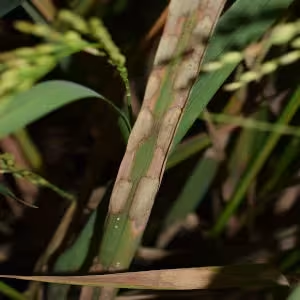
Description
Symptoms
The initial signs of infection include a noticeable loss of plant vigor, manifested as wilting that does not respond to regular irrigation. Roots often exhibit discoloration, turning from healthy green or white to a dull brown or black.
The aerial parts of the plant show signs of chlorosis, where leaves lose their vibrant color and become limp. As the infection progresses, the plant experiences stunted growth and a failure to produce new foliage or flower spikes.
Microscopic examination of the root system often reveals the destruction of fine root hairs and the presence of fungal mycelium penetrating the outer layers of the root cortex. This leads to an inability of the plant to take up necessary moisture.
Severe infestations often result in the total collapse of the root system, causing the plant to detach from the substrate. In many decorative species, these signs are accompanied by an overall loss of turgor and potential crown rot.
- Wilting of leaves and stems
- Brown, brittle root system
- Chlorosis (yellowing) of foliage
- Stunted development and lack of blooms
Pathogen
Tulasnellales is an order of basidiomycete fungi that encompasses a range of organisms, many of which are known for their symbiotic associations with orchids. However, under certain environmental stress factors, these fungi can shift from beneficial symbionts to pathogenic agents.
The disease mechanism primarily involves the disruption of the mycorrhizal network within the orchid roots. When the balance is disturbed, the fungus begins to degrade host tissues, leading to typical symptoms of root decay and nutrient deficiency.
The morphology of Tulasnellales, particularly their characteristic basidia with short sterigmata, serves as a primary marker for laboratory identification. These fungi are adept at surviving in substrates for extended periods, acting as saprotrophs until a host becomes vulnerable.
The genus Tulasnella is the most frequently studied in an agricultural context due to its presence in greenhouse substrates. The transition to pathogenesis is often triggered by changes in the substrate chemistry or water levels that stress the plant host.
Understanding the dual nature of Tulasnellales is essential for phytopathology, as distinguishing between a healthy symbiotic relationship and a developing infection requires careful analysis of the host's vigor and root integrity.
Conditions for development
Excessive moisture is the primary driver for Tulasnellales proliferation. Waterlogged substrates prevent oxygen exchange and facilitate the rapid spread of fungal spores throughout the container.
Ambient temperatures ranging from 18°C to 24°C are optimal for the growth of this fungal order. Climate-controlled greenhouses that maintain high humidity levels are especially prone to outbreaks if air circulation is insufficient.
Poor aeration in the substrate promotes the growth of pathogenic mycelium. Compacted potting mixes that do not drain effectively create stagnant zones where the fungus can easily attack the plant's roots.
Contaminated equipment and non-sterile pots are common vectors for the spread of these fungi. Introducing infected plants into a collection without a quarantine period often leads to the rapid contamination of the surrounding environment.
Changes in pH levels within the substrate can also weaken the plant's natural defenses, allowing opportunistic fungi to gain a foothold. Proper fertilization management is necessary to maintain a healthy root environment.
Why it matters
The primary damage caused by Tulasnellales fungi is the systemic destruction of the root network, which is critical for orchid survival. This leads to a decline in plant health that can take months to rectify, if the plant survives at all.
For commercial growers, an outbreak of these fungi can lead to significant economic losses due to the high value of the ornamental stock. Infected batches often have to be discarded to prevent the further spread of the pathogen.
Infected plants exhibit a weakened immune system, making them susceptible to secondary infections from bacteria and other opportunistic fungi. This makes clinical diagnosis and effective treatment significantly more challenging.
The loss of reproductive capacity, such as the abortion of flower spikes, directly impacts the marketability of the plants. In addition to direct plant loss, growers face costs related to remediation and substrate replacement.
The persistence of the fungus in the potting medium means that even after the host dies, the substrate remains a source of infection. This necessitates stringent decontamination protocols to clear the growing area of the pathogen.
Protection
Prevention is the cornerstone of managing Tulasnellales. Maintaining a strict irrigation schedule that allows the substrate to dry out slightly between waterings is effective in inhibiting fungal development.
Using sterile substrates and ensuring all pots are disinfected before use reduces the risk of initial infection. Regularly sterilizing pruning tools with alcohol or a disinfectant solution is a mandatory practice for greenhouse hygiene.
If an infection is detected, the plant should be immediately isolated. The root system should be inspected, and any necrotic tissue carefully pruned away before repotting in fresh, sterile media and applying systemic fungicides.
Biocontrol agents, specifically beneficial fungi like Trichoderma, can be introduced into the substrate to compete with pathogenic strains. This provides a natural and sustainable method of defense for the plant's roots.
Routine monitoring and quarantining of new arrivals are vital. By catching signs of root discoloration early, growers can perform localized treatments and avoid the loss of entire collections of susceptible plants.
Discussion
No discussions yet — be the first.