
Tubulavirales
Tubulavirales
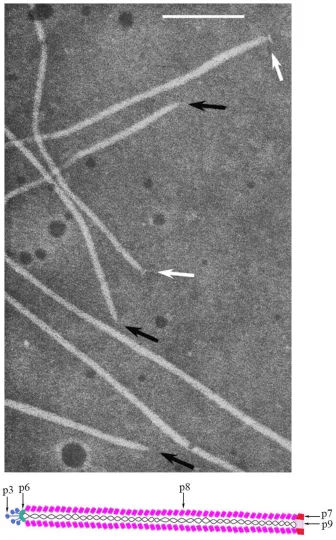
Description
Symptoms
Common signs include mosaic patterns, chlorosis, and general leaf yellowing which indicate a disruption in photosynthetic activity.
Plants often exhibit stunted growth and deformed leaves, commonly referred to as leaf curling or wrinkling in many cultivars.
Severe infections may lead to necrotic spots and premature leaf abscission, weakening the plant's overall structural integrity.
Flowers may show color-breaking symptoms, which are particularly damaging to the ornamental and floricultural industry sectors.
Fruit production is significantly affected, often resulting in deformed or underdeveloped produce that is commercially unviable.
Pathogen
Tubulavirales is a viral order containing plant pathogens with filamentous virions, often characterized by their specific structure.
These viruses contain a positive-sense single-stranded RNA genome that is highly efficient at hijacking host machinery for replication.
They are known for their ability to form systemic infections, moving through the phloem to colonize the entire plant body.
The replication process frequently results in the formation of diagnostic inclusions within the cytoplasm of the host cells.
Transmission mechanisms are varied, involving both insect vectors such as aphids and mechanical transfer through contaminated tools.
Conditions for development
Virus outbreaks are closely linked to the population dynamics of insect vectors, which thrive in mild and humid climate conditions.
Fields with significant weed pressure provide essential reservoirs for the virus, allowing it to survive during off-seasons.
High-density planting increases the rate of transmission, as the proximity of plants facilitates the movement of pathogens.
Mechanical injury caused by pruning, thinning, or other field operations creates entry points for the virus to infect healthy plants.
Environmental stress can weaken host resistance, making plants more susceptible to initial viral colonization and subsequent spread.
Why it matters
The economic impact of Tubulavirales is significant, leading to massive yield losses and a reduction in the quality of agricultural produce.
Viral infection creates metabolic imbalances that render the plant less capable of defending itself against other opportunistic pathogens.
Loss of harvestable product directly affects farm profitability and complicates the logistics of crop storage and processing.
In perennial crops, infection results in the long-term decline of yield productivity, necessitating expensive removal and replanting efforts.
Nutritional value and chemical composition of the crops can be compromised, leading to lower standards for food and feed safety.
Protection
The primary control strategy is the use of certified virus-free planting stock produced through meristem-tip culture technologies.
Stringent management of insect vectors is crucial; regular application of insecticides is necessary to disrupt transmission cycles.
Rigorous sanitation protocols, including the thorough disinfection of tools and equipment, prevent the spread between crop rows.
Effective weed control and the elimination of host plants near cultivation areas limit the virus's survival potential.
Quarantine measures and spatial isolation between new plantings and older, potentially infected areas are vital for long-term health.
Discussion
No discussions yet — be the first.