
Trichotheliales
Trichotheliales
Description
Symptoms
The primary symptom of infection is the appearance of tiny dark spots or specks scattered across the leaf surface or the bark of woody plants.
Over time, these spots may expand, causing localized necrotic lesions that disrupt the normal physiological function of the plant epidermis.
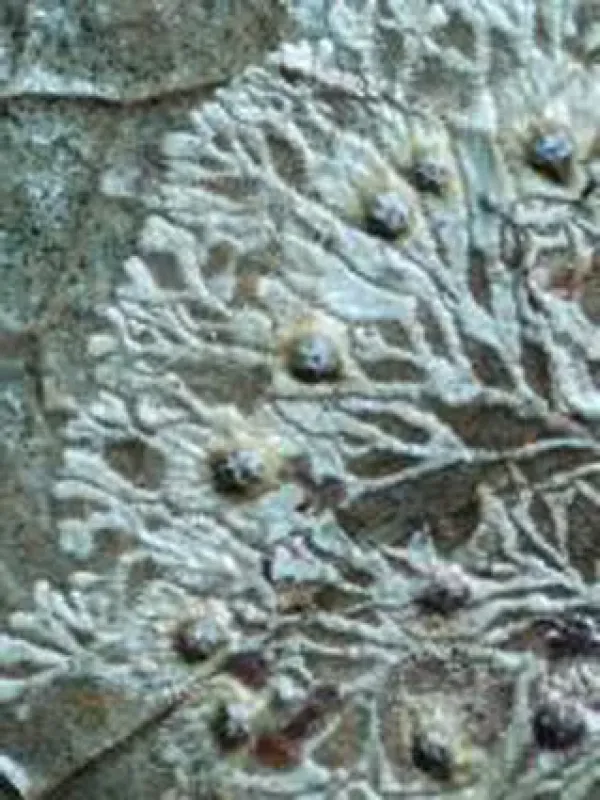
Under magnification, one can observe the small, spherical fruiting bodies that exhibit rigid bristles, confirming the presence of the fungus.
Heavily affected foliage typically shows signs of chlorosis, followed by premature yellowing and eventual leaf drop, which weakens the plant.
The infection often spreads along the veins or margins of leaves, where moisture tends to accumulate, creating optimal conditions for fungal growth.
Pathogen
Trichotheliales are an order of fungi within the class Dothideomycetes, known for their association with various plant hosts as epiphytes.
These fungi are frequently lichenized, establishing symbiotic relationships with algae to survive on the surfaces of leaves and tree bark.
The pathogen propagates through spores that are easily dispersed by wind and splashing water, especially in humid tropical or subtropical environments.
A distinctive biological feature of this order is the formation of perithecia, often characterized by hair-like appendages or setae.
The fungal mycelium colonizes the superficial layers of the host tissue, utilizing nutrients and moisture present on the plant surface to complete its life cycle.
Conditions for development
High relative humidity and consistent rainfall are the primary environmental drivers for the development and spread of Trichotheliales.
Poorly ventilated areas with stagnant air flow provide an ideal microclimate for these fungi to establish and colonize host tissues.
Overhead irrigation systems can inadvertently create a thin layer of water on the plant surface, promoting the rapid germination of fungal spores.
Shaded locations or dense plantings that prevent sunlight from penetrating the canopy create long-lasting wet conditions on the leaves.
Temperature ranges between 20°C and 28°C are generally considered conducive to the proliferation and active metabolic growth of these fungi.
Why it matters
The most significant impact of these fungi is the inhibition of photosynthesis due to the physical coverage of the leaf area, leading to reduced energy production.
The fungi deplete the host plant's resources, which can stunt growth and decrease the overall vigor of the affected crops or ornamental species.
By compromising the plant's health, Trichotheliales infections make the host more susceptible to secondary pathogenic attacks and environmental stress.
The aesthetic value of ornamental plants is severely diminished by the dark, crusty appearance caused by the colonization of fungal colonies.
In cases of severe infestation, widespread defoliation can occur, negatively impacting the plant's ability to store energy for the subsequent growing season.
Protection
Pruning is a crucial cultural practice to ensure adequate air circulation and light penetration throughout the canopy of the plants.
Implementing drip irrigation instead of overhead watering helps keep the foliage dry, significantly reducing the viability of fungal spores.
The application of contact or systemic fungicides, particularly copper-based products, is effective in managing and suppressing fungal colonization.
Regular sanitation, involving the removal and proper disposal of infected branches and leaves, prevents the accumulation of inoculum in the garden.
Maintaining optimal plant spacing allows for better drying of the leaf surface, which is essential to discourage the establishment of epiphytic fungi.
Discussion
No discussions yet — be the first.