
Trichotheliaceae
Trichotheliaceae
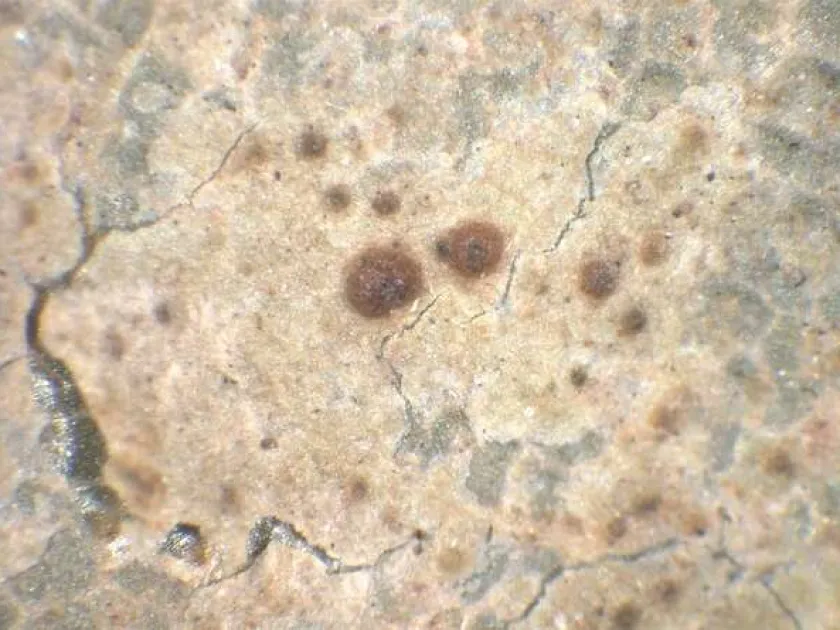
Description
Pathogen
The Trichotheliaceae family is a group of fungi within the Pyrenulales order, primarily known for their lichenized growth form, where they exist in symbiosis with algae.
These fungi are typically found as epiphytes, settling on the bark of trees or the surfaces of evergreen leaves in high-humidity environments.
As Ascomycetes, they produce distinct reproductive structures called perithecia, often characterized by hair-like appendages which give the family its scientific name.
They are generally considered non-parasitic; however, their presence on plant surfaces signifies a specific microclimatic niche that favors both lichen development and potential moisture-related issues.
Biological studies highlight their reliance on atmospheric moisture and their role as indicators of environmental stability and air quality in forest or plantation ecosystems.
Conditions for development
Persistent high humidity is the primary requirement for the colonization and spread of Trichotheliaceae on plant hosts.
Poor airflow within a dense canopy creates a stagnant environment that is highly conducive to the proliferation of these fungi.
Moderate temperatures combined with frequent precipitation allow for the rapid establishment of fungal colonies on trunks and older branches.
The lack of periodic maintenance in orchards, such as thinning or cleaning, creates favorable substrate conditions for spores to germinate.
Shaded areas within an orchard are significantly more susceptible to colonization compared to well-exposed, dry sections of the garden.
Why it matters
The primary concern regarding Trichotheliaceae is not direct tissue necrosis, but the covering of leaf surfaces, which impairs photosynthetic activity.
By creating a dense epiphyte layer, they reduce the plant's ability to absorb solar radiation, leading to reduced metabolic efficiency.
The presence of these fungi on bark can impede gas exchange, effectively "smothering" the plant tissue over long periods of time.
They also act as moisture traps, increasing the duration of leaf wetness and potentially attracting secondary pathogens like molds or bacterial rot.
Overall, an extensive infestation indicates an unmanaged state of the plantation, which often correlates with general plant stress.
Protection
Regular crown management, including pruning for better ventilation and light penetration, is the most effective preventative measure.
Manual removal of mosses and lichen crusts from tree trunks helps to reduce the inoculum pressure of these fungal organisms.
Copper-based fungicides applied during the dormant season are highly effective in inhibiting spore germination on the bark surface.
- Structural pruning to improve air circulation.
- Cleaning of bark using scrubbing techniques where applicable.
- Applying whitewash or copper-containing protective coatings.
Maintaining optimal soil fertility ensures that the host plant remains vigorous, reducing its attractiveness to epiphytic organisms.
Discussion
No discussions yet — be the first.