
Trichosphaeriaceae
Trichosphaeriaceae
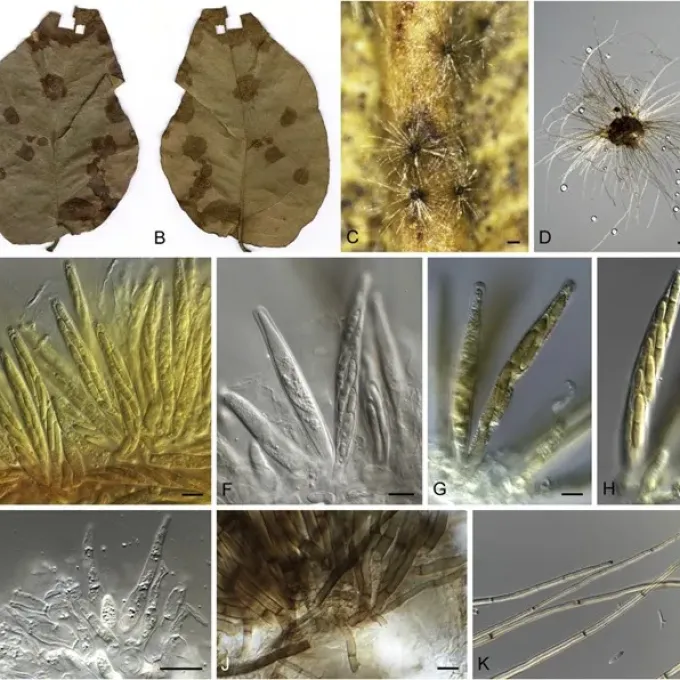
Description
Symptoms
Initial symptoms include the appearance of dark, diffuse spots on stems, branches, or leaves. Over time, these lesions darken, often turning brown or black as the tissue dies and fungal growth becomes visible.
On woody plants, the bark in the affected areas may crack or flake off. The underlying wood often shows abnormal discoloration and increased brittleness compared to healthy tissue.
A closer inspection with a hand lens often reveals minute, rounded fruiting bodies scattered across the affected surface, appearing as tiny black specks or bristle-like projections.
Leaf infection manifests as necrotic areas that gradually coalesce. This typically results in premature chlorosis, wilting, and early leaf drop, significantly reducing the plant's photosynthetic capacity.
Because the disease development can be insidious, symptoms are frequently overlooked until the infection is advanced, leading to significant structural damage or branch dieback.
Pathogen
Trichosphaeriaceae is a family of fungi belonging to the phylum Ascomycota. While many species are primary saprotrophs, they often exhibit opportunistic parasitic behavior, infecting weakened or damaged plant tissues.
The pathogen primarily colonizes woody surfaces, bark, and decaying plant material. Once established, the mycelium penetrates deep into the tissues, compromising structural integrity and inducing organic matter degradation.
The fungal lifecycle involves the formation of perithecia on the surface of the substrate. Inside these structures, spores are produced, which serve as the primary inoculum for spreading the infection during favorable weather.
Morphologically, members of this family are characterized by dark, often setose (bristly) fruiting bodies. These resilient structures allow the fungus to endure harsh environmental conditions until moisture triggers spore release.
Dissemination typically occurs through wind currents or rain splashes. The pathogen exhibits high persistence and can survive in soil or on uncollected plant debris for several years.
Conditions for development
High humidity and consistent moisture are the most critical factors driving the development of Trichosphaeriaceae. Periods of prolonged rainfall or fog significantly facilitate spore germination and infection.
Poor air circulation within dense canopies or overcrowded plantings creates a microclimate that prevents moisture from evaporating, fostering the rapid spread of the fungus.
Physical injuries, such as frost cracks, pruning wounds, or damage caused by insects, serve as entry points for the pathogen. Once introduced, the fungus easily exploits these compromised areas.
Plants suffering from nutrient deficiencies or environmental stress are inherently more susceptible to colonization. A compromised immune response prevents the plant from mounting an effective defense against the fungal invasion.
High inoculum pressure, resulting from the accumulation of infected plant debris left on the ground, ensures that the disease cycle repeats annually under favorable climatic conditions.
Why it matters
The primary damage caused by Trichosphaeriaceae is the disruption of nutrient and water transport within the plant. This leads to stunted growth, reduced vitality, and, in severe cases, the death of individual branches or the entire plant.
In agricultural settings, the infection compromises the aesthetic and marketable quality of produce. Fruits and berries infected by the fungus are often prone to secondary rots, making them unsuitable for storage.
Severe infestations reduce the plant's overall cold hardiness. Infected tissues are more susceptible to winter injury, which can lead to extensive dieback or the total loss of the orchard or crop.
Chronic infestation results in the deformation of the plant structure, necessitating costly pruning and long-term recovery efforts to restore the health of the affected specimens.
Economic losses are compounded by the costs of specialized chemical treatments and the loss of harvestable yield throughout the duration of the infection cycle.
Protection
Strict sanitary practices form the foundation of disease management. Prompt removal and destruction of infected plant material are essential to eliminate the primary sources of inoculum from the site.
Maintaining proper plant spacing and performing regular pruning is crucial to improve air circulation and sunlight penetration. This helps to lower humidity levels, making the environment less hospitable to fungi.
Fungicidal applications may be necessary in high-pressure areas. Systemic or contact treatments should be applied according to the manufacturer’s instructions to protect vulnerable plant tissues during peak risk periods.
Promoting plant health through balanced fertilization and proper irrigation regimes helps strengthen the host's natural resistance, enabling it to better withstand potential infections.
- Disinfecting pruning tools between cuts to prevent mechanical spread.
- Sealing large pruning wounds with protective agents to prevent pathogen entry.
- Implementing integrated pest management to reduce secondary wounding of the bark.
Discussion
No discussions yet — be the first.