
Trichocomataceae
Trichocomataceae
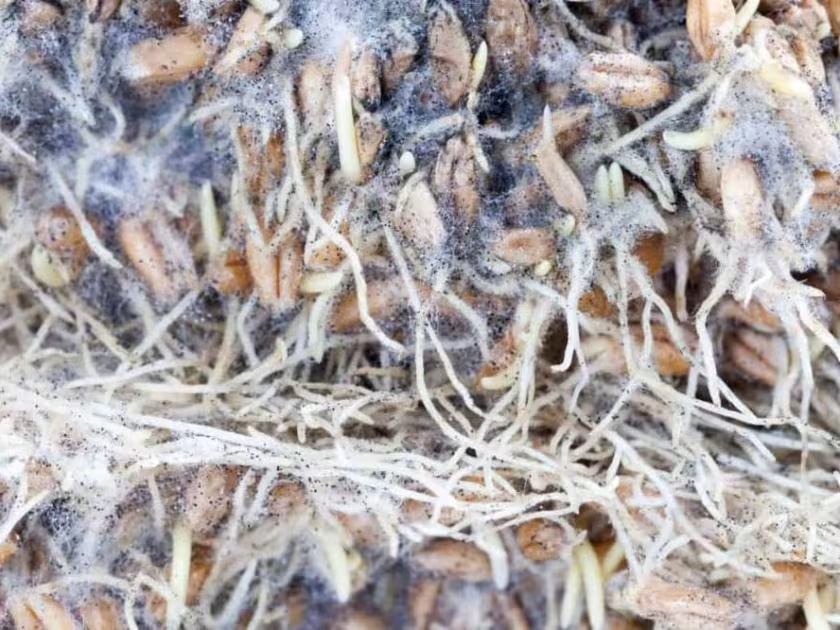
Description
Pathogen
The family Trichocomataceae belongs to the order Eurotiales. It includes several common fungal genera, most notably Aspergillus and Penicillium, which are found globally in various habitats.
These pathogens reproduce primarily via conidia, which are asexual spores that spread easily through the air. These spores are highly resilient and can colonize various organic substrates very quickly.
The life cycle often involves the formation of fruiting bodies known as cleistothecia. These structures protect the fungus during unfavorable conditions, allowing it to survive on plant debris in the soil.
As opportunistic pathogens, they primarily target compromised plant tissue, damaged seeds, or stored produce where the natural physical barriers have been weakened.
Their metabolism is highly flexible, allowing them to secrete various enzymes that degrade plant cells and extract nutrients, facilitating the rapid expansion of the fungal colony.
Conditions for development
High relative humidity is the primary catalyst for the development of Trichocomataceae. Seeds with moisture content above 14-15% are highly susceptible to mold colonization.
Warm temperatures ranging from 20°C to 30°C provide the optimal environment for rapid fungal growth and sporulation, making storage facilities without climate control high-risk areas.
Poor ventilation leads to the accumulation of moisture and spore density within stored product heaps, resulting in the rapid spread of the disease across healthy crops.
Mechanical injuries during harvesting, transport, or grading provide direct entry points for these fungi to invade the internal tissues of fruits and seeds.
Contaminated equipment, tools, and storage bins often serve as reservoirs for these pathogens, re-introducing the infection to new batches of produce during the season.
Why it matters
The primary damage caused by Trichocomataceae is the reduction of seed germination rates. Infected seeds often fail to sprout or produce weak, diseased seedlings that die shortly after emergence.
In stored fruits and vegetables, these fungi cause rapid rot, which destroys the aesthetic and nutritional value of the produce, leading to total loss of the harvest.
A major concern is the production of mycotoxins by various species within the family. These toxins can contaminate food and feed, posing severe health risks to both humans and livestock.
Secondary infections often follow the initial fungal attack, as the softened tissue provides an entry point for bacteria, further accelerating the decay process.
The presence of these fungi in the field can also interfere with the plant's nutrient uptake, leading to overall stunted growth and reduced yields throughout the growing season.
Protection
Effective management begins with maintaining appropriate storage conditions, focusing on reducing humidity and temperature to inhibit the growth of the pathogen.
Chemical seed treatment using registered fungicides is a standard and essential practice to protect seeds from soil-borne pathogens and ensure a healthy crop start.
Sanitation practices, such as cleaning and disinfecting storage facilities, silos, and transportation equipment, are critical to reducing the overall spore load in the environment.
Implementing proper harvesting techniques to minimize mechanical damage to the produce significantly lowers the risk of infection by species of Aspergillus and Penicillium.
- Drying seeds to recommended moisture levels before storage.
- Regular monitoring of stored produce for signs of mold.
- Using preventative fungicide applications during the growing season.
Discussion
No discussions yet — be the first.