
Trichiaceae
Trichiaceae
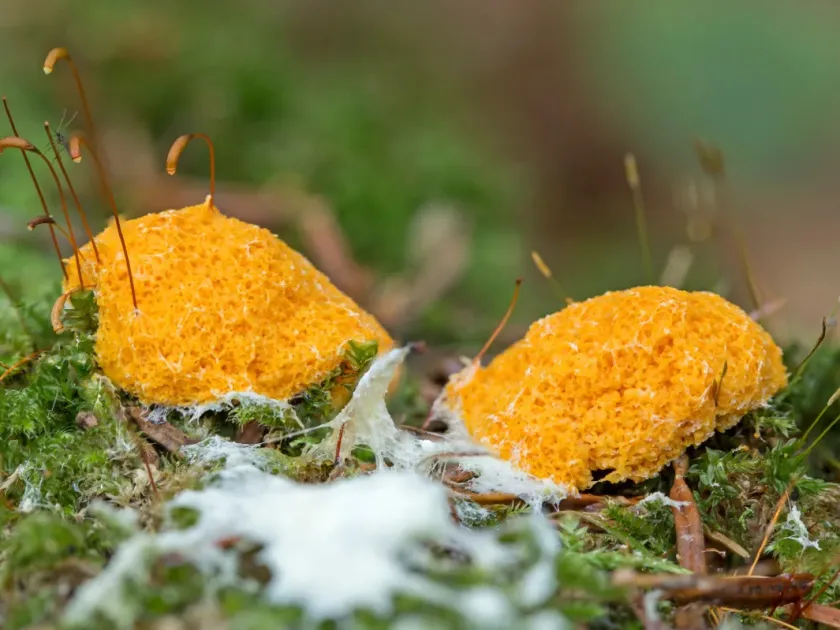
Description
Symptoms
The primary symptom of infestation is the appearance of bright, colored patches — often yellow, orange, or pink — that resemble foam or slime on stems and leaves.
As the organism matures, these patches develop into small, powdery sporangia that break upon contact, releasing dense clouds of fine spores.
Plants affected by these organisms often show signs of stunted growth and chlorosis due to the blockage of their stomata by the slime layer.
Mechanical damage to the leaf epidermis can occur where the plasmodium has been active, leading to localized tissue death or necrosis.
The visual presence of the slime mold is often accompanied by an unpleasant, musty odor caused by the decomposition of surface organic matter.
Pathogen
Trichiaceae are a family of slime molds (myxomycetes) that can behave as incidental pathogens or surface contaminants in various agricultural settings.
The organism exists primarily as a plasmodium, a motile mass of protoplasm that consumes organic matter on the surface of plant tissues.
In the final stages of its life cycle, it forms sporangia, which contain capillitium — specialized structures that facilitate the airborne dispersal of spores.
While often classified as saprotrophs, their presence on living plants can inhibit respiration and overall development due to physical coverage.
Trichiaceae are not true fungi but occupy a similar ecological niche, thriving in moist environments where they can easily colonize weakened or stressed host plants.
Conditions for development
High relative humidity, typically exceeding 85%, combined with prolonged surface moisture, is the primary driver of Trichiaceae proliferation.
Organic debris, such as fallen leaves and plant residues, acts as a nutrient reservoir, supporting the growth of the plasmodial stage.
Optimal temperatures for development range from +18°C to +25°C, providing an ideal environment for spore germination and colony expansion.
Poor ventilation in greenhouses and dense canopy structures prevent the rapid evaporation of dew, creating favorable microclimates for the slime mold.
Overhead irrigation, especially during cool and humid periods, directly contributes to the spread of spores and the establishment of new colonies.
Why it matters
The primary harm caused by Trichiaceae is the interference with plant physiological processes, specifically gas exchange and photosynthesis.
Heavy infestation can significantly reduce the vigor of young seedlings, making them more susceptible to attack by secondary pathogens like bacteria and true fungi.
In ornamental and nursery production, the presence of these slime molds reduces the commercial value of plants due to the unsightly nature of the growths.
The physical weight and presence of the slime layer can cause structural issues in delicate tissues, leading to bending or localized decay.
Control costs rise due to the necessity of manual removal and the application of sanitizing agents to protect the remaining stock.
Protection
Effective control starts with managing moisture levels: prioritize subsurface irrigation and ensure excellent ventilation to keep plant surfaces dry.
Rigorous sanitation, including the removal of dead leaves and organic waste from the root zone, is critical to eliminate feeding grounds for slime molds.
Copper-based fungicides can be applied as a preventive measure to create an unfavorable surface environment for spore germination.
Regular inspections and the removal of initial colony patches help prevent the formation of massive amounts of spores that could spread throughout the crop.
- Maintain appropriate spacing to promote air circulation.
- Use disinfectants for all tools used in the greenhouse.
- Implement proper crop rotation to break the cycle of organic accumulation.
Discussion
No discussions yet — be the first.