
Phytoplasmas
Treponemataceae
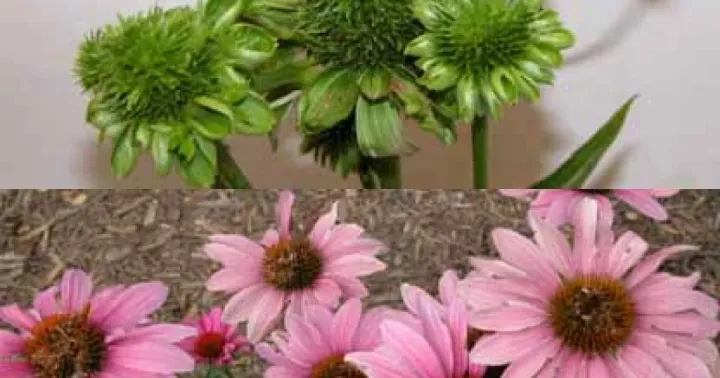
Description
Symptoms
The most distinctive symptom of phytoplasma infection is the "yellows" condition, characterized by a general chlorosis of the foliage. Plants often exhibit stunted growth, with shortened internodes and a proliferation of auxiliary buds, resulting in a bushy appearance known as "witches' broom."
Floral abnormalities are also frequent, including virescence, where floral parts turn green and leaf-like, and phyllody, where flowers are replaced by vegetative structures. These changes render the plants sterile and severely impact their reproductive capacity.
Infected plants may also show signs of leaf reddening or purpling, particularly in some woody species. This discoloration indicates significant stress and a disruption of normal plant metabolic processes caused by the pathogen's interference with nutrient flow.
Deformation of fruits and seeds is common in crops affected by phytoplasmas. Often, the fruits are small, discolored, or absent, leading to total yield loss even if the plant itself manages to survive the initial infection phase.
Root systems of infected plants often show reduced growth and necrosis, further exacerbating the plant's inability to take up water and essential minerals. This systemic degradation leads to the eventual collapse of the plant host.
Pathogen
Phytoplasmas are specialized, wall-less prokaryotic microorganisms belonging to the class Mollicutes. These pathogens act as obligate parasites, meaning they cannot survive outside their plant hosts or their insect vectors, which typically belong to the order Hemiptera.
These organisms are restricted to the phloem tissue of infected plants. By residing in the sieve tubes, they interfere with the translocation of nutrients and photoassimilates, which leads to the characteristic symptoms associated with their infection.
Phytoplasmas were formerly referred to as mycoplasma-like organisms (MLOs) before their taxonomic classification was refined through genomic analysis. Because they lack a rigid cell wall, their morphology is pleomorphic, allowing them to adapt to diverse environments within the plant vascular system.
Transmission occurs predominantly through sap-sucking insects, such as leafhoppers, planthoppers, and psyllids. Once an insect acquires the phytoplasma by feeding on an infected plant, the pathogen undergoes a latent period in the insect before it can be transmitted to a healthy host.
Detection of these pathogens is notoriously difficult because they are non-culturable in laboratory settings. Modern diagnostic procedures rely heavily on PCR (polymerase chain reaction) technology to identify specific phytoplasma groups and strains based on 16S rRNA gene sequences.
Conditions for development
The prevalence of phytoplasma-related diseases is largely dictated by the population dynamics of insect vectors. Warm, dry weather patterns frequently correlate with higher leafhopper activity, which facilitates the rapid spread of the pathogen throughout a crop field.
The presence of wild host plants, including many common weeds, provides a vital reservoir for both the phytoplasmas and their insect vectors. These weeds often remain asymptomatic, acting as a silent source of inoculum that can infect nearby commercial crops.
Long-distance dissemination of the disease is usually attributed to the trade of infected plant materials, such as nursery stock, bulbs, or cuttings. Once established in a new area, the local insect population quickly spreads the pathogen to local plant species.
The severity of an outbreak is influenced by the timing of vector movement relative to the developmental stage of the crop. Young, actively growing plants are often the most susceptible to colonization by phytoplasmas.
Dense crop spacing and high humidity levels can create favorable microclimates for vectors, promoting sustained movement and feeding. This enhances the transmission efficiency and speeds up the development of infection clusters across the agricultural landscape.
Why it matters
Phytoplasmas are among the most destructive plant pathogens because there are no effective chemical treatments to cure an already infected plant. Once a plant is colonized, it often remains a source of infection for the rest of its lifespan or until removal.
The economic impact on agriculture is profound, particularly in vegetable, fruit, and ornamental industries. Crops like tomatoes, potatoes, and strawberries can suffer near-total harvest losses, causing significant disruptions to food supplies and farmer incomes.
In addition to direct production losses, phytoplasmas necessitate costly quarantine and certification programs. International trade of plants is strictly regulated to prevent the introduction of new phytoplasma strains into unaffected territories.
Ornamental plant producers face unique challenges, as phytoplasma infection renders plants unsellable due to disfigurement. The loss of high-value aesthetic crops can jeopardize the financial viability of commercial nurseries.
The systemic nature of the disease makes it impossible to contain without drastic measures, such as the complete eradication of infected fields. This "slash and burn" approach to management underscores the severity of the threat posed by these pathogens.
Protection
Management begins with the use of certified, disease-free planting material. Strict nursery hygiene and the use of tissue-culture-derived stock are essential strategies to prevent the introduction of phytoplasmas into clean production environments.
Vector control is the most practical management tactic for minimizing disease spread. Integrated Pest Management (IPM) programs, which utilize systemic insecticides and insect exclusion nets, help keep populations of leafhoppers and psyllids below the threshold required for transmission.
Weed control in and around production fields is critical to eliminate alternative hosts for the pathogen. By removing weeds, growers can significantly reduce the reservoir of phytoplasmas available for insect vectors to pick up.
Prompt roguing, or the immediate removal and destruction of symptomatic plants, is necessary to limit the spread of the infection. This practice is crucial in the early stages of an outbreak to prevent the formation of large, unmanageable disease hot spots.
Long-term research is focused on developing resistant crop varieties. Incorporating genetic resistance remains the most sustainable and efficient approach for managing phytoplasma diseases in the face of evolving pathogen strains.
Discussion
No discussions yet — be the first.