
Trametes hoehnelii
Trametes hoehnelii
Description
Symptoms
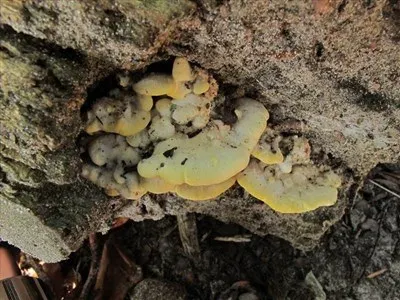
The most visible indicator of infection is the development of fruit bodies on the surface of the bark. These growths appear as brackets or shelf-like structures, signaling internal wood degradation.
Infected wood exhibits a bleached, whitish appearance characteristic of white rot. The internal structure loses its natural density, becoming fibrous, spongy, or brittle over time.
As the infection progresses, the tree canopy often shows signs of distress, including stunted leaf growth, premature yellowing, and eventually branch dieback. This is due to the interruption of nutrient and water flow.
Cracks in the bark accompanied by fungal exudates or visible mycelial mats indicate advanced decay within the trunk. Such wood becomes structurally compromised and prone to mechanical failure.
Cross-sections of affected wood often reveal distinct dark zone lines, which are physiological barriers created by the fungus during its colonization process.
Pathogen
Trametes hoehnelii is a wood-decaying fungus belonging to the Polyporaceae family. It acts as a pathogen responsible for active white rot, a process that breaks down lignin and cellulose within woody tissues.
This fungus typically functions as a saprotroph, but it can transition to a parasitic lifestyle when it colonizes weakened or stressed tree hosts. Its fruit bodies are usually leathery or cork-like in texture.
The mycelium of the fungus penetrates deep into the trunks and branches through wounds, pruning cuts, or bark cracks. Once inside, it colonizes the vascular system and spreads throughout the interior of the wood.
Reproduction is carried out through the release of spores, which are disseminated by wind or insects. When spores land on a suitable, vulnerable wooden surface, they germinate to form new infection sites.
The species demonstrates high adaptability to various hardwood hosts, making it a significant pathogen in forest ecosystems and orchards alike. Understanding its biological cycle is essential for managing its spread.
Conditions for development
The development of Trametes hoehnelii is heavily influenced by wood moisture content. High humidity and prolonged damp conditions provide the perfect environment for spore germination and mycelial growth.
The fungus spreads most aggressively in dense, poorly ventilated stands where moisture persists on bark and wound surfaces. Proper air circulation is a critical limiting factor for its growth.
Mechanical wounds from pruning, animal damage, or frost cracks provide the primary entry points for the pathogen. It is rarely capable of penetrating healthy, intact bark surfaces on its own.
The climate regime plays a crucial role; warm, wet seasons significantly enhance the growth rate and sporulation activity of the fungus. Increased precipitation leads to higher infection pressure in the landscape.
Trees weakened by poor soil conditions, drought, or nutrient deficiencies exhibit reduced immunity, making them more susceptible to colonization by this opportunistic pathogen.
Why it matters
The primary damage caused by this fungus is the structural degradation of wood. This results in the loss of timber value and creates significant safety hazards due to the risk of falling limbs or trunks.
Damage to the vascular system hampers the tree's physiological functions, leading to stunted development and eventual tree mortality. It is a slow but steady process that permanently alters the health of the host.
Decaying trees become hospitable hosts for secondary wood-boring insects, which exacerbate the degradation process and further weaken the tree's structural integrity.
In commercial forestry, infestations by this fungus lead to substantial economic losses due to the decline in wood quality. Affected areas often require salvage logging to prevent further spread.
Failure to manage infected trees allows the pathogen to remain in the area, increasing the risk of infection for neighboring healthy trees and potentially causing widespread decline in the forest plot.
Protection
Effective management begins with regular sanitary pruning and the removal of heavily infected branches or trees. All pruning cuts must be treated with appropriate antiseptic agents to seal the wound.
Preventative measures include maintaining proper tree spacing to ensure good ventilation, as well as protecting bark from mechanical damage caused by rodents or environmental factors.
Fungicidal treatments are generally limited in efficacy and are most useful as a preventative measure for wounds. Proper diagnosis and targeted application are necessary for any treatment to be successful.
Maintaining a clean garden by removing dead wood and organic debris helps reduce the reservoir of spores in the immediate vicinity, lowering the risk of new infections.
- Regular sterilization of pruning tools to prevent cross-contamination.
- Timely treatment of all mechanical injuries to the bark.
- Enhancing tree immunity through balanced fertilization and hydration.
- Continuous monitoring for early detection of fruit bodies on tree trunks.
Discussion
No discussions yet — be the first.