
Tomato dwarf
Tomato dwarf leaf curl begomovirus
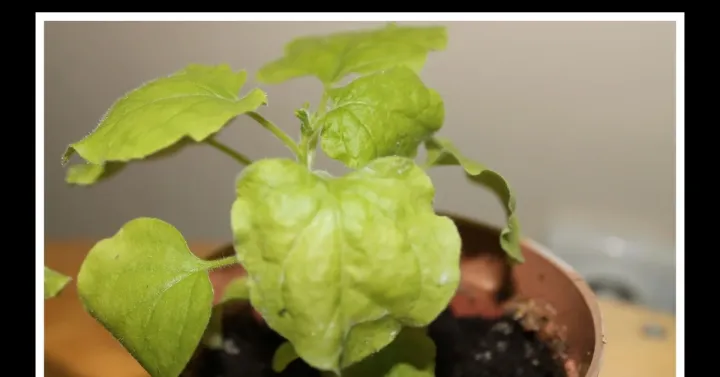
Description
Symptoms
Stunted growth is the most prominent sign, with infected plants appearing significantly shorter and less vigorous than healthy counterparts.
The internodes become severely shortened, causing the plant to develop a dense, bushy, or rosette-like appearance rather than growing vertically.
Leaves display characteristic symptoms such as small size, deformation, curling, and various patterns of chlorosis or mosaic mottling.
Flowering is usually inhibited or delayed; the plant produces fewer, poorly developed flower clusters that are prone to early abscission.
The root system is often underdeveloped, further impairing the plant's ability to uptake water and essential nutrients from the growing medium.
Pathogen
The Tomato dwarf disease is caused by a viral pathogen known as the Tomato dwarf virus, which specifically infects plants of the Solanaceae family.
The virus acts as a systemic pathogen, colonizing the vascular system of the tomato plant and severely disrupting its normal physiological functions.
Transmission occurs primarily through mechanical means, often via contaminated pruning tools, clothing, or direct plant-to-plant contact.
Vector-based transmission is also possible, as certain sap-sucking insects, such as aphids and whiteflies, can transfer the virus while feeding.
The pathogen can survive in crop residues, perennial weed hosts, or in contaminated soil, making it a persistent threat in agricultural environments.
Conditions for development
The spread of the virus is accelerated by high temperatures, which favor the rapid replication of the virus within plant tissues.
High plant density and overcrowding in greenhouses increase the likelihood of mechanical contact and disease transmission between plants.
Poor weed management provides a reservoir for the virus, allowing it to persist and spread to tomato crops during the growing season.
Frequent handling of plants during pruning, tying, or harvesting without sanitizing tools facilitates the rapid distribution of the virus.
Environmental stress, such as improper watering or soil nutrient imbalances, weakens plant immunity and increases susceptibility to the infection.
Why it matters
The primary economic impact is the severe loss of yield, as infected plants stop producing fruit or produce only deformed, unmarketable specimens.
The disease leads to the early senescence or total death of the plants, resulting in significant gaps in production fields or greenhouse sections.
Due to the virus's systemic nature, infected plants cannot recover, leading to a total waste of labor, fertilizer, and irrigation resources.
Widespread outbreaks can be devastating for commercial farms, potentially causing the loss of an entire seasonal crop if not managed quickly.
The quality of fruit, if produced, is extremely poor, rendering the harvest unsuitable for fresh market sales or industrial processing.
Protection
Prevention starts with selecting certified disease-free seeds and utilizing cultivars that show resistance to common viral pathogens.
Strict sanitation protocols, including the sterilization of all gardening tools with disinfectant solutions between each plant, are essential.
Integrated pest management strategies should be implemented to control populations of aphids, whiteflies, and other potential virus vectors.
Rogueing, or the immediate removal and destruction of infected plants, is crucial to prevent the spread of the virus to neighboring healthy plants.
Maintaining strict weed control around the growing area minimizes the risk of introducing the virus from alternative host plants.
Discussion
No discussions yet — be the first.