
Tobacco mottle
Tobacco mottle leaf curl virus
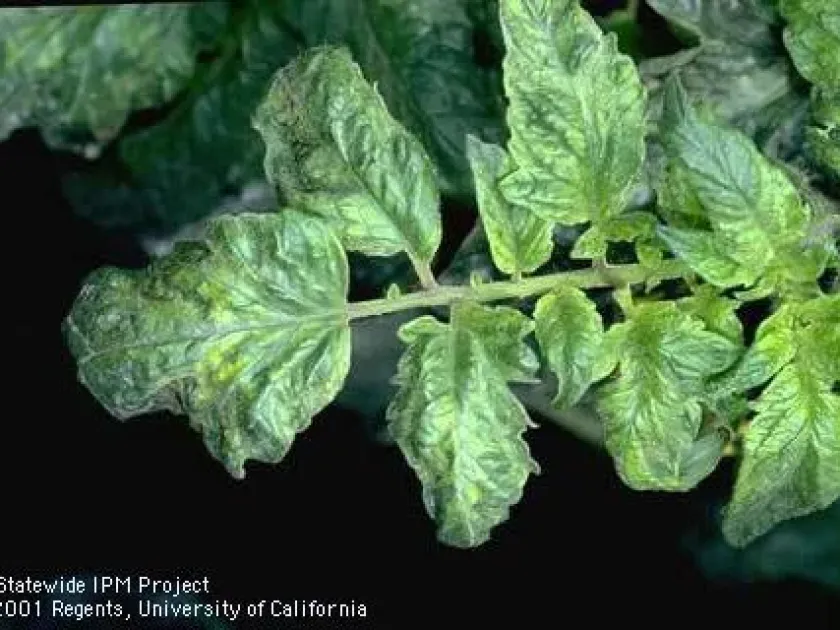
Description
Symptoms
The primary symptom is a distinct mottle or mosaic pattern on the leaves, characterized by a mix of light green, yellow, and normal green patches. This discoloration disrupts the uniform appearance of the leaf.
Deformation of the foliage is common, with leaves appearing wrinkled, curled, or stunted. The growth of the entire plant is often significantly hampered, leading to a smaller overall stature.
In advanced stages of infection, necrotic lesions may develop on the leaf blades. The affected tissues become brittle and prone to tearing, which drastically reduces the commercial value of the tobacco leaf.
Plants affected by the virus are easily identifiable by their yellowish, chlorotic appearance. The systemic nature of the disease results in a general decline in the plant's health and vigor.
- Chlorotic mottle pattern
- Leaf distortion and curling
- Stunted plant height
- Reduced leaf area
- Premature yellowing of leaves
Pathogen
The causal agent of this disease is the Tobacco mottle virus (TMoV). It is a plant-pathogenic virus that typically relies on specific insect vectors for transmission within tobacco populations.
The virus acts as a systemic pathogen, invading the vascular tissues and interfering with the host plant's vital physiological processes, including nutrient transport and photosynthesis.
This disease is classified as a viral mosaic-like condition. It often exists in association with other viruses, and its transmission is strictly dependent on the presence of these helper viruses in the plant cell.
The viral particles exhibit specific characteristics that allow them to persist in weeds and other alternative hosts during the winter, serving as a reservoir for the infection.
Biologically, the virus is highly adapted to the feeding habits of its vectors, ensuring efficient transfer during the brief periods when insects probe the plant tissues for phloem sap.
Conditions for development
The spread of Tobacco mottle is heavily dependent on the activity of aphid populations. Warm and humid conditions favor the rapid reproduction and migration of these vectors across the fields.
The presence of wild reservoirs or weed species near the tobacco plantation is a major risk factor. Insects feeding on infected weeds can quickly introduce the virus to the tobacco crop.
Environmental factors that promote early-season vector flight are critical for the onset of the disease. Monitoring these migration patterns is essential for timely intervention.
Poor field management, such as inadequate weeding or high planting densities, can create an environment that supports large insect populations, thereby facilitating the rapid transmission of the pathogen.
The interaction between the virus, the helper virus, and the insect vector is complex and requires specific ecological conditions to result in a widespread field outbreak.
Why it matters
Tobacco mottle poses a significant threat to tobacco quality and yield. Infected plants produce less biomass, directly impacting the profitability of the crop for the grower.
The virus degrades the chemical composition of the leaves, reducing the levels of nicotine and sugars essential for the specific flavor profile of high-quality tobacco.
Technological characteristics, including leaf elasticity and fermentation potential, are compromised. This makes the harvested product less desirable for the tobacco processing industry.
Yield losses can be substantial, often ranging from moderate to severe depending on the time of initial infection and the overall pressure of the insect vectors throughout the season.
The inability to cure infected plants makes the disease a major concern for producers, who must focus exclusively on preventing the spread to healthy sections of the crop.
Protection
The primary management strategy focuses on controlling the aphid vectors using timely insecticide applications, especially during the critical early growth stages of the tobacco crop.
Spatial isolation of new plantations from older, infected fields is recommended to reduce the risk of secondary spread by wind-borne insect vectors.
Effective weed control in and around the tobacco fields is crucial to eliminate reservoirs that harbor the virus during the off-season, thereby reducing primary infection sources.
Planting resistant or tolerant cultivars is the most sustainable approach to managing the disease. Breeding programs prioritize viral resistance to ensure stable production.
Removing and destroying symptomatic plants early in the season can help suppress the spread of the virus within the field, preventing it from serving as a source for further infection.
Discussion
No discussions yet — be the first.