
Thermoplasmatales
Thermoplasmatales
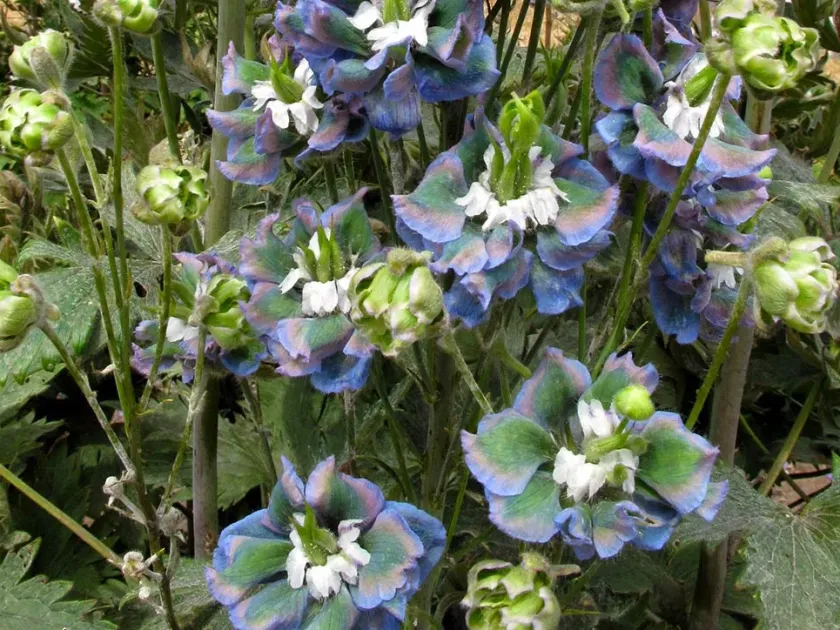
Description
Symptoms
The primary symptom of infection is yellowing (chlorosis) of the leaves, which often progresses to tissue necrosis. Infected foliage frequently shows signs of curling or structural deformity.
A classic sign is the development of "witches' brooms," where the plant produces an excessive number of stunted, thin, and closely spaced branches due to hormonal imbalances caused by the pathogen.
Infected plants often exhibit significant stunting, failing to reach their typical growth stage or height. This reduction in vigor is a hallmark of systemic infection.
Reproductive organs are severely affected; flowers often undergo virescence, transforming into leaf-like green structures that are completely sterile and incapable of producing seeds or fruits.
In advanced stages, the entire plant may show signs of premature senescence and wilt, with the root system showing limited development compared to healthy controls.
Pathogen
Thermoplasmatales are a group of microorganisms classified under the class Mollicutes, known for their unique biological characteristics including the absence of a cell wall. In agriculture, they are significant as specialized plant pathogens.
These organisms are obligate parasites that colonize the vascular tissues of plants, specifically the phloem and xylem, where they interfere with the transport of nutrients and water.
Transmission occurs primarily through insect vectors, such as leafhoppers and aphids. These insects acquire the pathogens while feeding on infected plant sap and transmit them to healthy plants during subsequent feeding sessions.
The pathogen thrives within the vector’s body, allowing for effective spread across agricultural fields. The lifecycle of the pathogen is intricately linked to both the plant host and the vector species.
Due to their lack of a cell wall, these pathogens are often targeted by specific antibiotic treatments, although the primary method of management remains the control of insect vectors and cultural practices.
Conditions for development
Disease development is heavily influenced by environmental factors that support the population growth of insect vectors, particularly warm and stable temperature regimes.
High humidity promotes both the survival of the pathogens in the environment and the activity of sucking insects that act as carriers, leading to increased infection rates.
The presence of weeds near crop fields serves as a primary source of inoculum. If weeds are not managed, insects can easily move from these reservoirs into the cultivated crops.
Poor agricultural practices, such as lack of field sanitation and failure to maintain proper spacing between plantings, contribute to the rapid spread of the disease.
Environmental stress, such as drought or physical damage during cultivation, can make plants more susceptible to initial colonization by the pathogens.
Why it matters
The economic impact of Thermoplasmatales is significant, often resulting in total crop loss within an infected area because systemic infection cannot be reversed once established.
Infected crops act as a source of transmission to surrounding fields, potentially leading to widespread epidemics if immediate containment measures are not implemented.
Product quality is severely diminished; fruits and vegetables become misshapen, discolored, or bitter, rendering them unfit for commercial sale or human consumption.
Operational costs rise significantly as farmers must invest in vector control, removal of diseased plants, and potential replanting of entire agricultural blocks.
For perennial crops, the disease can lead to a progressive decline in plantation health, ultimately requiring a complete and costly replacement of the entire orchard or field.
Protection
The most effective strategy is the use of high-quality, certified, disease-free planting material to ensure that fields do not start with a pre-existing infection.
Rigorous management of insect vectors using systemic insecticides is essential to reduce the frequency of pathogen transfer between plants throughout the growing season.
Maintain strict field sanitation by removing and destroying infected plants as soon as symptoms are detected to prevent them from becoming reservoirs for insects.
Control weeds in and around the field to eliminate alternate hosts for the vectors and potential pathogen reservoirs, reducing the overall infection pressure.
- Selection of resistant plant varieties or hybrids.
- Adherence to strict crop rotation and isolation practices.
- Regular field scouting and diagnostic testing.
- Targeted application of insecticides to control leafhopper populations.
Discussion
No discussions yet — be the first.