
Stemonitis
Stemonitis
Description
Symptoms
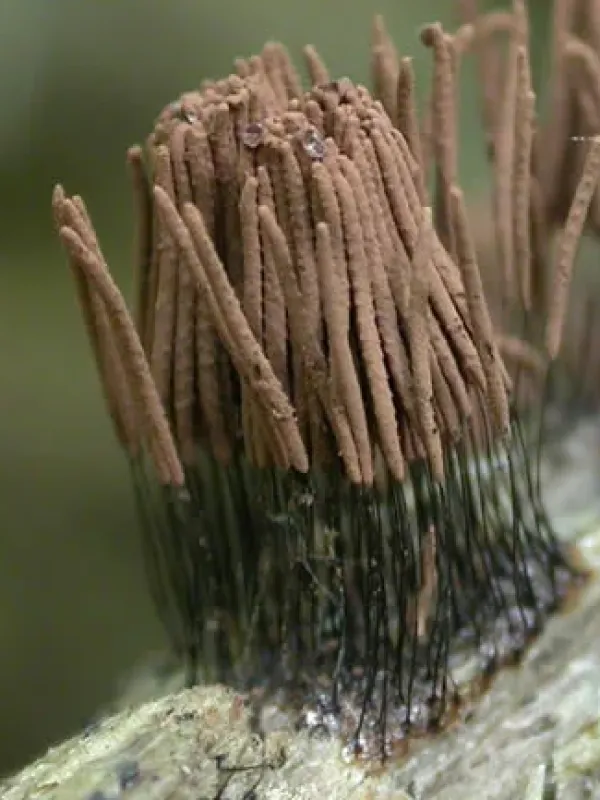
The most distinctive sign of Stemonitis is the presence of clusters of tall, brown, cylindrical structures that look like delicate shaving brushes or dark needles.
These sporangia are typically attached to a substrate, such as plant stems, damp soil, or decomposing wood, and are fragile to the touch.
When disturbed, these structures release dark brown or black spores, forming a visible cloud that disperses easily into the air.
Before the sporangia form, one might observe a slimy or gelatinous substance, which is the plasmodium phase actively moving across the surface.
Colonies often appear in shady, damp areas where organic debris has been left to decompose without proper aeration.
Pathogen
Stemonitis is a genus of slime molds (myxomycetes), which are fascinating biological organisms that exist in a state between single-celled protozoa and multicellular structures.
They are not true fungi, plants, or animals; they function as a plasmodium, a mobile mass of protoplasm, during their vegetative growth phase.
These organisms feed on bacteria, yeasts, and organic debris found in damp soil, decaying bark, or accumulated forest litter.
As they mature, they produce tall, thin, brush-like sporangia, which are the reproductive structures often mistaken by gardeners for a fungal infection.
Stemonitis plays an ecological role as a decomposer, breaking down organic matter, but its appearance on ornamental plants is generally undesirable for aesthetics and management.
Conditions for development
Stemonitis thrives in conditions characterized by high humidity, stagnant air, and the presence of decaying organic matter.
Temperatures ranging from 15 to 25 degrees Celsius are ideal for their rapid development and transition into the reproductive phase.
Poorly ventilated greenhouses or dense garden beds where moisture is trapped become primary sites for these slime molds to appear.
Overwatering practices that prevent the soil surface from drying out are the most significant factor in fostering Stemonitis growth.
Limited light and lack of soil surface disturbance create a stable environment that allows the plasmodium to feed and expand freely.
Why it matters
Stemonitis is generally considered harmless to healthy living plants because it does not possess the enzymes necessary to break down living plant tissue.
The primary concern is that its presence acts as a bio-indicator for unfavorable conditions, such as excess moisture and anaerobic decay of organic material.
If the plasmodium covers a large area of soil or plant base, it can potentially impede the necessary gas exchange of roots or sensitive stems.
Its presence significantly reduces the visual appeal of indoor plants and ornamental garden patches, causing concern for growers.
Indirect harm is significant: the environmental conditions that support Stemonitis also promote dangerous fungal pathogens like root rots and gray mold.
Protection
Improving air circulation is the most effective way to prevent and control Stemonitis outbreaks in greenhouse and nursery environments.
Regular sanitation, including the removal of dead leaves, old mulch, and decomposing wood from the growing area, eliminates the food source.
Implement a strict watering schedule that allows the top inch of soil to dry out between waterings to disrupt the slime mold's habitat.
Ensuring proper drainage for containers and garden beds prevents the standing water that these organisms require to proliferate.
Because Stemonitis is not a fungus, conventional fungicides are largely ineffective; focusing on moisture management and hygiene is the best approach.
Discussion
No discussions yet — be the first.