
Stemonitales slime molds
Stemonitales
Description
Symptoms
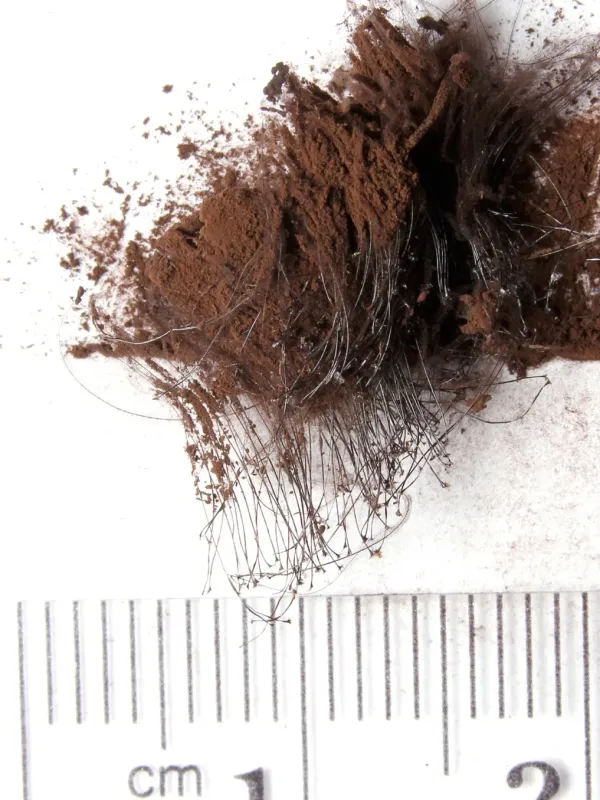
Stemonitales slime molds typically appear on plants as distinctive sporangia that look like tiny, dense clusters of columns or beads on thin stalks.
On the surface of stems, leaves, or mulch, one might observe dark, brown, or nearly black formations that often resemble miniature brushes or bundles.
Unlike true fungal diseases, these organisms do not penetrate the plant tissues; they only use the plant surface as a substrate for development and spore production.
These clusters are often mistaken for mold or fungal infections, but they can be easily wiped away mechanically without damaging the plant itself.
The color of the spore masses changes throughout their life cycle, ranging from light or cream colors during early stages to deep chocolate shades when mature.
Pathogen
The agents of this phenomenon are slime molds belonging to the order Stemonitales, which are classified as myxomycetes, a group of organisms distinct from true fungi.
Their life cycle includes a motile plasmodium stage, which is a multinucleate mass capable of moving across substrates to consume organic matter and bacteria.
These organisms are saprotrophs, meaning they feed on decaying organic material and do not parasitize living plant cells or tissues.
Once conditions are right, the plasmodium concentrates to form fruit bodies, which are the visible structures observed on the plants.
Reproduction occurs via spores, which are disseminated by wind, water splashes, or insects to colonize new favorable environments.
Conditions for development
The key driver for the development of Stemonitales is excessive moisture in both the soil and the surface layers of vegetation and organic debris.
They prefer shaded areas with poor air circulation, where water remains on leaves or soil for extended periods following rain or irrigation.
The presence of significant amounts of decomposing organic matter, such as leaf mulch or uncomposted material, provides an ideal food source for these organisms.
Moderate temperatures combined with high humidity, such as during foggy or rainy seasons, significantly accelerate the growth and formation of sporocarps.
Poor agricultural practices, such as overly dense planting, prevent proper sunlight exposure and airflow, further encouraging the proliferation of slime molds.
Why it matters
Stemonitales slime molds cause minimal direct physiological harm to healthy plants since they do not feed on plant fluids or tissues.
The primary concern is aesthetic damage, which can be significant for ornamental crops, floral displays, and nursery plants intended for sale.
Heavy coverage of sporangia on leaf surfaces may interfere with gas exchange and photosynthesis, potentially reducing the plant's overall metabolic efficiency.
The presence of slime molds can serve as an indicator of a poor microclimate, suggesting that environmental conditions might also be favorable for pathogenic fungi.
In stored produce or cuttings, their presence can be considered a sign of poor sanitation or overly humid storage conditions that may invite further decay.
Protection
Effective management focuses on normalizing moisture levels by improving drainage, reducing irrigation frequency, and increasing air ventilation around plants.
Regular sanitation, such as removing decaying plant material and clearing excessive mulch from the base of plants, helps disrupt the habitat of the slime molds.
Increasing plant spacing is highly recommended to improve light penetration and airflow, which naturally discourages the growth of these organisms.
- Avoid overhead watering to keep foliage dry.
- Maintain soil surface aeration through regular shallow cultivation.
- Remove any decomposing plant debris from the immediate growing environment.
Chemical control is rarely necessary or recommended, as these organisms usually disappear rapidly once the environment dries out and proper airflow is restored.
Discussion
No discussions yet — be the first.