
Stemonitaceae slime molds
Stemonitaceae
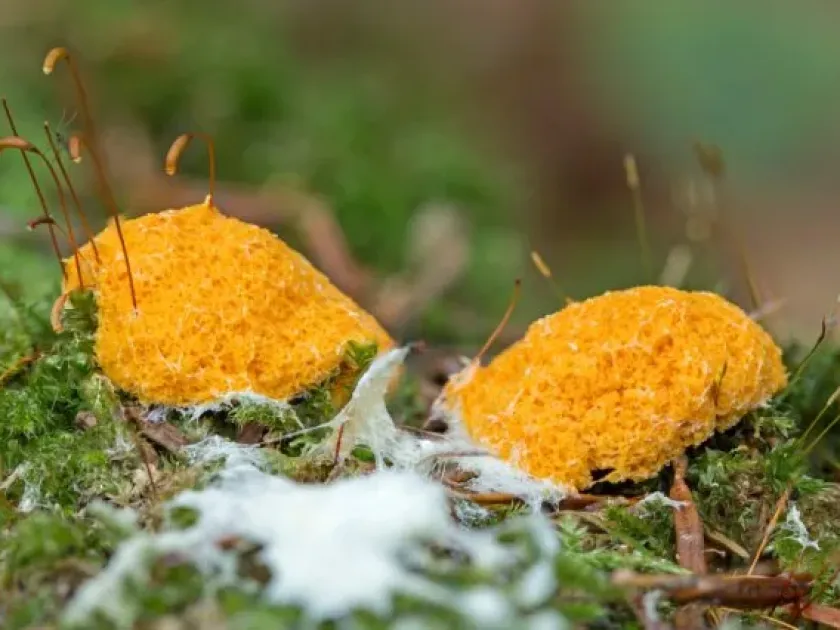
Description
Symptoms
Stemonitaceae slime molds typically appear as clusters of tiny, dark brown or black hair-like structures, often described as brush-like or pin-like sporangia.
Before forming these structures, the organism exists as a plasmodium—a slimy mass that moves across leaves, stems, and mulch, feeding on organic matter.
These organisms are most frequently observed in the lower parts of plants, particularly where foliage comes into contact with damp soil or moist organic debris.
The spore-bearing structures can cover a significant area of the plant surface, giving it a fuzzy or dusty appearance when the spores are ready to disperse.
While the initial slime mass may disappear, the resulting fruit bodies remain visible until they are physically removed or eroded by weather conditions.
Pathogen
The pathogens are myxomycetes, belonging to the family Stemonitaceae, which are unique organisms that function as both predatory protozoa and fungal-like organisms.
Their life cycle consists of a motile stage (the plasmodium) that feeds on bacteria, fungi, and decaying organic particles on the plant surface.
Stemonitaceae are not traditional parasites, but they rely on moist environments rich in organic matter to complete their complex development cycle.
Spore production is the final stage, allowing the organism to spread rapidly via wind, water splashes, or contact with insects and tools.
These organisms are essentially saprotrophic, meaning they thrive on dead or decaying organic matter rather than living plant tissues.
Conditions for development
High humidity and moisture are the primary drivers for the development and proliferation of these slime molds on plant surfaces.
Garden beds with excessive mulch, decaying leaves, or high organic matter content provide the perfect substrate for the plasmodial stage.
Poor ventilation within dense plant canopies creates a microclimate that prevents foliage from drying, which is highly conducive to slime mold growth.
Optimal temperatures for their growth range from 15 to 25 degrees Celsius, often occurring in spring and autumn or after heavy summer rains.
Over-irrigation, especially irrigation that keeps the base of the plant constantly wet, significantly increases the risk of colonization.
Why it matters
The primary harm is the inhibition of photosynthesis, as the physical layer of slime and subsequent sporangia block sunlight from reaching the leaf surface.
By trapping moisture against the plant tissue, these molds create an environment that encourages the growth of more aggressive, pathogenic fungi and bacteria.
In ornamental horticulture, the presence of these dark, fuzzy structures significantly reduces the aesthetic and commercial value of the plants.
Plants may suffer from reduced gas exchange, as the molds can cover stomata, potentially impacting the plant's overall respiratory efficiency.
While they rarely kill the plant outright, the stress caused by the mold’s presence and the associated decay can weaken younger or more vulnerable seedlings.
Protection
Improving drainage and ensuring proper soil aeration are the most effective ways to discourage the formation of slime mold habitats.
Maintain proper spacing between plants to enhance airflow and allow foliage to dry out quickly after rainfall or overhead irrigation.
Practice good sanitation by removing excess organic debris and decaying plant matter from the soil surface to eliminate the organism's food source.
Avoid overhead irrigation techniques that saturate the leaves and stems; switch to drip irrigation to keep the plant canopy dry.
Chemical fungicides are generally not effective or necessary; focus on mechanical removal and cultural practices to maintain a clean growing environment.
Discussion
No discussions yet — be the first.