
Sporonema
Sporonema
Description
Symptoms
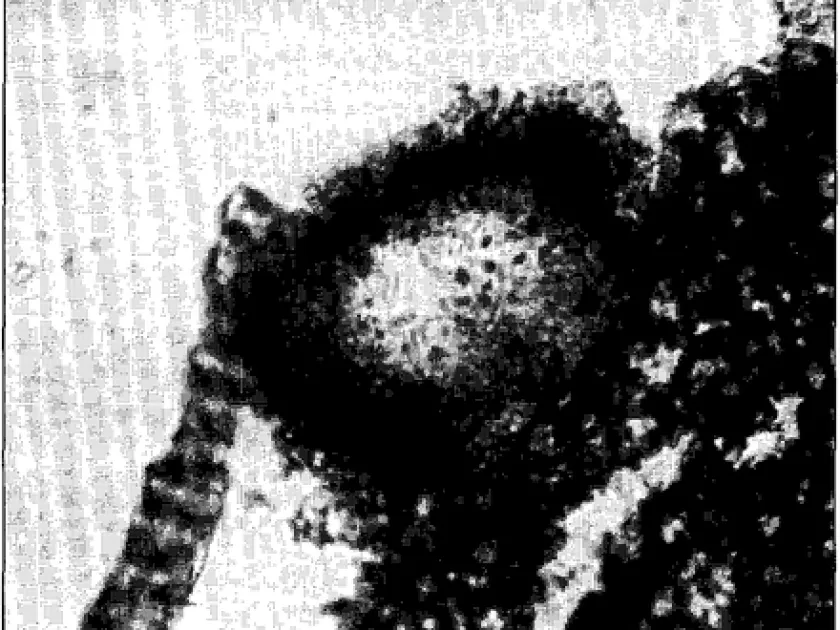
The most visible symptom is the appearance of small, dark pycnidia on the surface of leaves, shoots, or bark.
Infection often manifests as necrotic spots, which can expand and result in irregular, discolored lesions on the affected plant parts.
As the infection progresses, the tissues become brittle and die, frequently leading to localized tissue death or stem cracking.
- Appearance of small black dots (pycnidia) on dying tissues
- Chlorotic halos around necrotic spots
- Premature defoliation or drying of shoots
In humid conditions, a mass of spores may be visible exiting the fruiting bodies, appearing as a slight exudate or slime.
Pathogen
The causative agent of the disease are fungi of the Sporonema genus, belonging to the Coelomycetes group of fungi.
The pathogen completes its life cycle by producing pycnidia — specialized structures that host spores, facilitating the disease cycle.
The spores are primarily dispersed via rain splashes, wind currents, and mechanical contact, allowing the fungus to spread across host tissues.
The mycelium survives adverse conditions within plant debris, which acts as a primary reservoir for the infection cycle during the next season.
It acts mainly as an opportunistic pathogen, infecting tissues that are stressed, injured, or weakened by environmental factors.
Conditions for development
High humidity and consistent rainfall during the growing season are the primary drivers of Sporonema development and spread.
The fungus thrives in moderate temperature ranges, typically between +15°C and +22°C, which is common in many temperate regions.
Poor ventilation and high-density planting create microclimates that trap moisture, favoring the germination and infection process.
Plants suffering from nutritional imbalances, drought stress, or mechanical wounds are significantly more susceptible to colonization.
The presence of unremoved infected plant material from previous seasons provides the necessary inoculum pressure to start new infections.
Why it matters
The damage caused by Sporonema leads to reduced overall vigor and lower yield potential for affected crops.
Loss of photosynthetic leaf area hampers the plant's metabolic functions, leading to stunted growth and weakened development.
Infection of fruit or berries compromises their shelf life and quality, often making them susceptible to secondary fungal decays.
If allowed to persist, the infection can cause significant shoot dieback, leading to long-term decline in orchard or garden health.
Widespread infection significantly reduces the economic value of the harvest and may necessitate costly corrective interventions.
Protection
Integrated management begins with strict sanitation practices, including the removal and disposal of all infected plant residues.
The use of copper-based fungicides and other systemic control agents is recommended as a preventative measure during high-risk weather.
Proper pruning and orchard management to ensure good air circulation within the canopy significantly mitigate disease risk.
Maintaining optimal soil fertility and irrigation practices builds plant resilience, making them less prone to opportunistic infection.
Regular monitoring of plants, especially after heavy rains, allows for early detection and intervention before the pathogen spreads.
Discussion
No discussions yet — be the first.