
Sporocadaceae
Sporocadaceae
Description
Symptoms
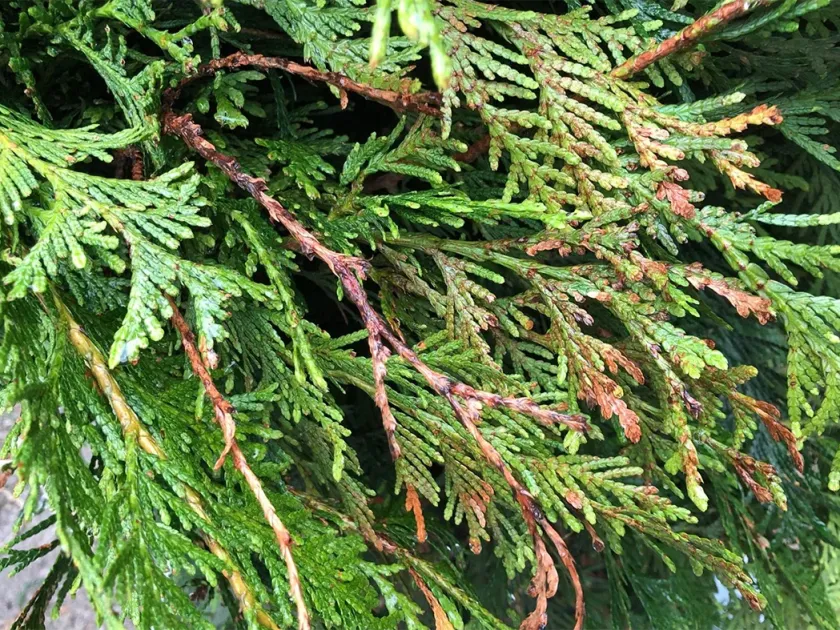
The primary symptom of a Sporocadaceae infection is the appearance of necrotic spots on foliage. These spots vary in color—often appearing as shades of brown or grey—and are usually surrounded by a chlorotic halo as the plant attempts to contain the infection.
Upon closer inspection, particularly in humid conditions, small black pimple-like structures may be visible on the necrotic spots. These are the fruiting bodies where the fungus produces masses of conidia, often appearing as a dark, dusty coating on the leaf surface.
Stem infections manifest as elongated lesions or cankers. These lesions can eventually girdle the stem, cutting off the supply of water and nutrients to the upper parts of the plant, which results in wilting, dieback, and branch mortality.
Fruit symptoms typically start as small, depressed, circular lesions. As the fungus progresses, these lesions deepen into soft, sunken rot areas, often covered by a sporulating mass of the fungus, rendering the produce completely unmarketable.
Early identification of these signs is vital for preventing the secondary spread of the disease. Growers should monitor for patterns of defoliation, stunted growth, or unusual discoloration that may indicate the early stages of a fungal outbreak.
Pathogen
Sporocadaceae is a family of fungi within the class Coelomycetes, recognized as significant plant pathogens causing various leaf and stem infections. These fungi are characterized by the production of specialized fruiting bodies, known as pycnidia or acervuli, where spores develop.
The life cycle involves asexual reproduction via conidia. These conidia are often equipped with distinct appendages that serve to anchor the spores onto the surfaces of host plants, effectively facilitating the infection process through natural openings or tissue lesions.
Historically linked to genera like Pestalotia, these fungi have undergone significant taxonomic revision. In modern agronomy, they are classified as potent parasites capable of infecting a wide variety of botanical hosts, ranging from orchard trees to garden shrubs.
Dissemination primarily occurs through water splashing, wind currents, and mechanical transmission by insects or tools. Due to their ability to survive on crop debris and in soil, they represent a persistent threat to crop health across multiple seasons.
The pathogenicity of Sporocadaceae is linked to their enzymatic ability to degrade plant tissues. Once the spores germinate, the hyphae penetrate the host cells, leading to localized necrosis and further colonization of the plant's vascular and parenchymal systems.
Conditions for development
High humidity and prolonged periods of leaf wetness are the primary drivers of Sporocadaceae outbreaks. Rainy seasons and misty weather provide the essential conditions for the rapid germination of conidia and the successful penetration of plant tissues.
These fungi thrive in moderate temperature ranges, typically between 18 and 26 degrees Celsius. Within this window, the generation time of the pathogen is greatly reduced, allowing the disease to spread across an entire field within a very short timeframe.
Poor field sanitation and the presence of infected plant debris from previous cycles act as the primary inoculum source. Fungi in this family are highly adapted to surviving in dormant forms on leaf litter or fallen twigs until favorable conditions return.
Cultural practices that promote canopy density and restrict airflow create stagnant microclimates where humidity remains high. This environment is ideal for the establishment and proliferation of Sporocadaceae infections, particularly in densely planted orchards.
Plants subjected to environmental stress, such as drought, nutrient deficiency, or mechanical wounding, are significantly more susceptible to infection. Stress weakens the natural physiological barriers of the plant, making it easier for fungal pathogens to gain access.
Why it matters
The economic impact of Sporocadaceae is primarily due to direct yield losses and significant depreciation in the quality of the harvested produce. In severe cases, the entire harvest may be rendered unfit for sale or human consumption due to fruit rot.
By damaging the photosynthetic apparatus, the infection reduces the plant's overall energy production capacity. This leads to stunted growth, reduced sugar content in fruits, and a general decline in the plant's long-term health and productivity.
Persistent infections in perennial crops can lead to chronic decline and loss of winter hardiness. This results in significant long-term economic damage as growers must eventually replace infected plants or invest heavily in curative treatments.
The costs associated with chemical control and integrated management strategies add substantially to the production overheads. Frequent application of fungicides not only increases labor and chemical costs but also poses risks to the local ecosystem.
Losses are particularly devastating in commercial orchards where high-value crops are grown. The threat of Sporocadaceae necessitates strict quality control measures, leading to higher levels of waste and the need for frequent site inspections.
Protection
Effective management of Sporocadaceae requires an integrated pest management (IPM) approach that emphasizes sanitation and environmental control. Removing and destroying infected plant parts is the most effective way to lower the primary inoculum levels.
Crop rotation and selecting resistant or tolerant cultivars are foundational strategies. By breaking the host-pathogen cycle, farmers can significantly reduce the pressure of the disease on a field-scale level.
Chemical control usually involves the application of protective or systemic fungicides during vulnerable growth stages. It is critical to rotate different chemical classes to prevent the development of resistant fungal strains within the local population.
- Ensuring proper planting distances to improve air circulation and reduce humidity.
- Implementing drip irrigation to keep the foliage dry during the growing season.
- Applying balanced fertilization to maintain overall plant vigor and immunity.
- Using biological antagonists to compete with the pathogen on leaf surfaces.
- Sanitizing pruning tools regularly to prevent spreading spores between plants.
Modern biological controls, such as the application of beneficial bacteria, have shown promise in reducing the reliance on traditional synthetic fungicides. These biological agents create a competitive environment on the plant's surface that discourages fungal infection.
Discussion
No discussions yet — be the first.