
Sporidesmium blight
Sporidesmium
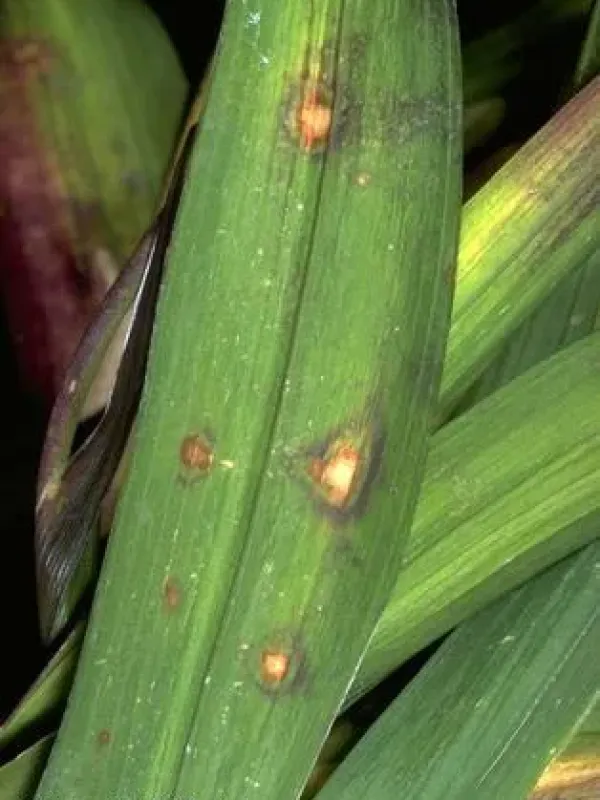
Description
Symptoms
Symptoms of Sporidesmium blight often begin as chlorotic or necrotic spots on the foliage that gradually enlarge to form irregular lesions.
A distinctive feature is the emergence of a velvety, dark olive-grey fungal growth on the underside or surface of the affected leaves during high humidity.
As the infection progresses, the lesions may coalesce, leading to extensive tissue necrosis, which can result in leaf wilting and early senescence of the plant.
In severe cases, stem infection can occur, which disrupts the transport of water and nutrients, eventually causing the collapse of the plant shoot.
- Development of necrotic spots on leaves.
- Dark, velvety fungal sporulation on lesions.
- Yellowing and premature leaf drop.
Pathogen
The disease is caused by various species of the Sporidesmium fungus, which belongs to the class of Hyphomycetes and typically persists as a saprophyte in crop residues.
These fungal pathogens are capable of forming robust structures such as chlamydospores that allow them to survive in the soil for extended periods even under harsh conditions.
Under specific environmental triggers, the fungus transitions to a pathogenic state, colonizing the tissues of susceptible crops through wind-dispersed conidia.
The mycelium grows within plant tissues, extracting nutrients and causing cell death, which facilitates the rapid spreading of the fungus across the field.
The reproductive cycle is highly dependent on environmental moisture, which enables the fungus to produce mass quantities of spores that serve as primary inoculum for neighboring plants.
Conditions for development
The primary factor for disease development is high relative humidity, often exceeding 85%, combined with moderate temperatures ranging from 20 to 25 degrees Celsius.
Poor field ventilation, caused by over-dense planting or heavy canopy growth, creates a microclimate that strongly favors the proliferation of the pathogen.
Extended periods of rainy weather in the summer months provide the necessary moisture for the rapid germination of fungal spores on plant surfaces.
Poorly drained fields that retain excessive moisture are at a higher risk of persistent Sporidesmium infections compared to well-managed, drier areas.
Physical damage caused by mechanical cultivation or pests creates entry points, making plants significantly more vulnerable to colonizing by the fungus.
Why it matters
Sporidesmium blight reduces the overall photosynthetic capacity of the plant, which leads to stunted growth and reduced biomass accumulation.
The impact on crop quality is substantial, as infected plants often fail to fill their seeds or produce smaller, lower-quality fruits or grains.
Large-scale outbreaks can cause significant yield losses, potentially rendering entire sections of a crop field unfit for harvest or commercial sale.
The financial impact includes both direct loss of output and the rising costs of necessary fungicides applied to prevent the spread of the blight.
Chronic infections can deplete the overall health of the soil and plant population, making them more susceptible to subsequent environmental stresses.
Protection
Cultural management is critical, including the practice of rotating crops and removing or deeply incorporating crop residues after the growing season.
Ensuring optimal plant density and providing adequate aeration in the field helps to keep humidity levels down and prevents the spread of the infection.
The application of approved fungicides at the initial onset of disease symptoms can effectively prevent the pathogen from reaching epidemic levels.
Using resistant plant varieties is the most sustainable approach to long-term control, effectively reducing the dependency on chemical interventions.
Regular field scouting is essential to identify the earliest stages of the disease, allowing for localized treatment before the pathogen spreads across the whole farm.
Discussion
No discussions yet — be the first.