
Spicariosis
Spicaria
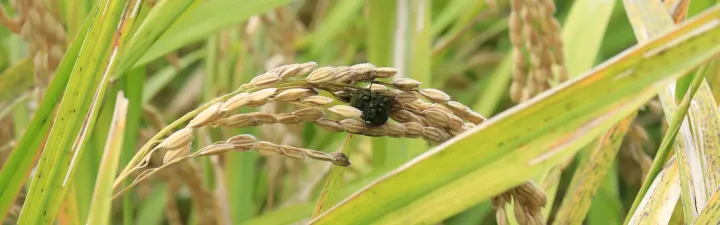
Description
Symptoms
The primary symptom is the appearance of a dusty, white to light yellow or greyish fungal colony on the surface of infected leaves, stems, or fruits.
Affected tissues undergo rapid decay and softening, often turning mushy or necrotic as the fungal mycelium penetrates deeper into the plant structure.
In seedlings, the infection may manifest as damping-off, leading to wilting, collapse, and brown discoloration of the hypocotyls near the soil line.
In mature plants, localized spots appear which may expand rapidly under humid conditions, eventually causing leaves to turn yellow and drop prematurely.
- White powdery fungal bloom on stems.
- Soft rot in fruits or root crops.
- Stunted growth of the plant.
- Necrotic lesions on leaves.
- Reduced viability of seeds.
Pathogen
The causative agent of this disease is the fungi of the genus Spicaria, often classified within the Paecilomyces or Isaria complexes, which act as opportunistic pathogens.
These fungi are characterized by branching conidiophores forming brush-like structures, which produce massive amounts of spores that easily disperse via wind or water.
The fungus is highly resilient and can persist in soil and crop residues for multiple seasons, serving as a constant source of primary infection for new plantings.
Spicaria typically infects plants through wounds, natural openings, or areas already compromised by insect pests, highlighting its role as a secondary pathogen.
Due to its saprotrophic nature, the fungus can rapidly exploit dead or dying organic matter before attacking healthy living plant tissues.
Conditions for development
High relative humidity, typically exceeding 80–85 percent, is the most critical environmental factor triggering the development and spread of Spicaria.
Warm temperatures ranging from 20 to 25 degrees Celsius provide the optimal kinetic energy for the fungus to grow rapidly and colonize plant tissue.
Inadequate airflow within dense crop canopies or poorly ventilated greenhouses creates a stagnant microclimate that encourages rapid spore germination.
Free water (dew or rain) on the plant surface is essential for the initial attachment and penetration of the pathogen into the host’s cellular layers.
Poor agricultural practices, such as excessive nitrogen application, can create succulent plant tissues that are more susceptible to fungal entry.
Why it matters
Post-harvest losses are significant, as Spicaria can devastate stored root crops, bulbs, and seeds, turning them into unmarketable debris within a few days.
In field crops, the disease reduces overall vigor and photosynthetic capacity, which directly results in lower yields and inferior quality of the produce.
Seeds infected with the fungus exhibit drastically reduced germination rates, leading to poor stand establishment and the need for costly replanting operations.
The presence of fungal toxins can render forage crops unsafe for livestock consumption, leading to potential health risks in farm animals.
Economic losses are compounded by the necessity of frequent fungicide applications and the devaluation of infected products in the marketplace.
Protection
The most effective strategy involves comprehensive field sanitation, including the removal and destruction of crop residues where the pathogen overwinters.
Strict adherence to crop rotation cycles prevents the buildup of Spicaria inoculum in the soil, effectively reducing the infection pressure.
Seed treatment with professional systemic fungicides is recommended to eliminate surface-borne spores before the planting process begins.
Managing the greenhouse environment by optimizing ventilation and controlling humidity levels can inhibit the onset and progression of the disease.
Integrating pest management is essential, as controlling insect damage directly limits the entry points required for the fungus to establish infection.
Discussion
No discussions yet — be the first.