
Brown leaf spot of rice
Sphaerulina oryzina
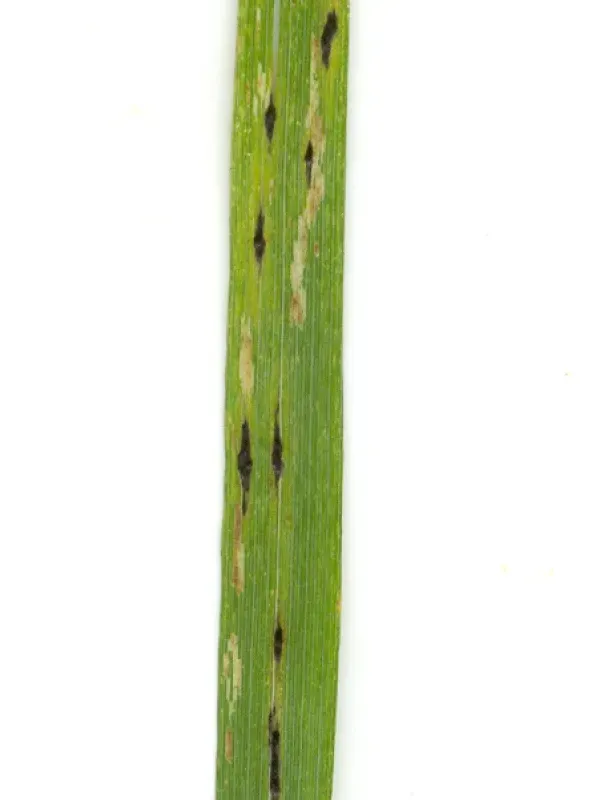
Description
Symptoms
The first symptoms appear as narrow, linear, brown or reddish-brown spots that align along the leaf veins. These spots can range in size from a few millimeters to about a centimeter in length.
As the disease progresses, the spots may enlarge and coalesce, eventually causing the entire leaf to yellow and die prematurely. This loss of photosynthetic area severely hinders the plant's ability to produce grains.
A characteristic sign of the infection is the formation of small, dark fruiting bodies on the surface of the lesions. Under high humidity, these spots may develop a noticeable fungal growth or spore mass.
The infection is not limited to leaves; it also affects the leaf sheaths, stems, and panicles. Dark lesions on the floral glumes can lead to poorly filled grains, significantly reducing the final yield quality.
Proper diagnosis requires observing the characteristic linear shape of the spots parallel to the leaf veins, which is a key morphological identifier for Sphaerulina oryzina infection in rice crops.
Pathogen
The causative agent of the disease is the fungus Sphaerulina oryzina (formerly known as Cercospora oryzae), which belongs to the class Ascomycetes. This pathogen specifically targets rice plants throughout their vegetative growth period.
The infection persists as mycelium and conidia on infected crop residues left in the field after harvest. Additionally, the fungus can survive in or on rice seeds, which act as a primary reservoir for the pathogen in the subsequent season.
The spread of the fungus occurs through conidia, which are easily disseminated by wind, rain splashes, and irrigation water. During the growing season, the pathogen can produce multiple generations, leading to rapid disease development.
Once the fungus penetrates the plant tissue, the mycelium grows and destroys cells, leading to localized necrosis. The biological success of this fungus depends on its ability to utilize available moisture for spore production.
The pathogen is highly specialized to the rice host, making it a persistent challenge for rice growers, especially in regions with high humidity and favorable temperature regimes for fungal proliferation.
Conditions for development
High relative humidity, typically exceeding 80%, is the primary environmental driver for the development and spread of brown leaf spot. Frequent rainfall and persistent morning fog are highly conducive to the disease.
The fungus thrives within a temperature range of 20°C to 28°C. This temperature range is ideal for rapid spore germination and successful colonization of healthy rice tissue.
Nutrient deficiency, particularly low levels of potassium, significantly predisposes rice plants to the disease. Balanced fertilization is crucial to maintaining the natural defense mechanisms of the crop.
High-density planting creates a microclimate with restricted airflow and increased moisture retention, which makes such fields more susceptible to rapid outbreaks of the fungal pathogen.
Late-season shifts in temperature, often accompanied by heavy dew, further exacerbate the spread of the infection as it provides the necessary surface moisture for the spores to germinate and infect.
Why it matters
The primary economic loss stems from the reduction of the leaf area available for photosynthesis. This decline in plant health results in reduced grain filling and inferior grain quality.
Severe infestations lead to premature leaf senescence, leaving the plant unable to reach its full productive potential. This causes lightweight, "chalky," or shriveled grains that are undesirable for market.
In severe cases, yield losses can range from 20% to 30%, depending on the timing of the infection and the susceptibility of the rice cultivar being grown in the field.
Beyond the direct yield reduction, the contamination of seeds serves as an inoculum source for future seasons, potentially creating a cycle of disease that is difficult to break without intervention.
Additional costs arise from the need for fungicide applications and the potential loss of value in the harvested crop due to grain staining and reduced milling recovery rates.
Protection
The most effective strategy for managing brown leaf spot is the use of resistant or tolerant rice varieties, which prevent the initial establishment and progression of the disease.
Sanitation practices, such as deep plowing to bury crop residues, are essential to destroy the primary inoculum. Removing or decomposing infected stubble reduces the survival rate of the fungus.
Implementing a proper crop rotation strategy helps to reduce the density of the pathogen in the field. Avoiding continuous rice cultivation is a key component of integrated disease management.
Optimizing fertilizer programs, with a focus on adequate potassium levels, helps strengthen plant cell walls and improves resistance to the pathogen's invasive hyphae.
When environmental conditions favor disease development, systemic fungicides should be applied proactively. Timely application is critical to protecting the canopy and ensuring optimal harvest results.
Discussion
No discussions yet — be the first.