
Sphaerella leaf spot
Sphaerella
Description
Symptoms
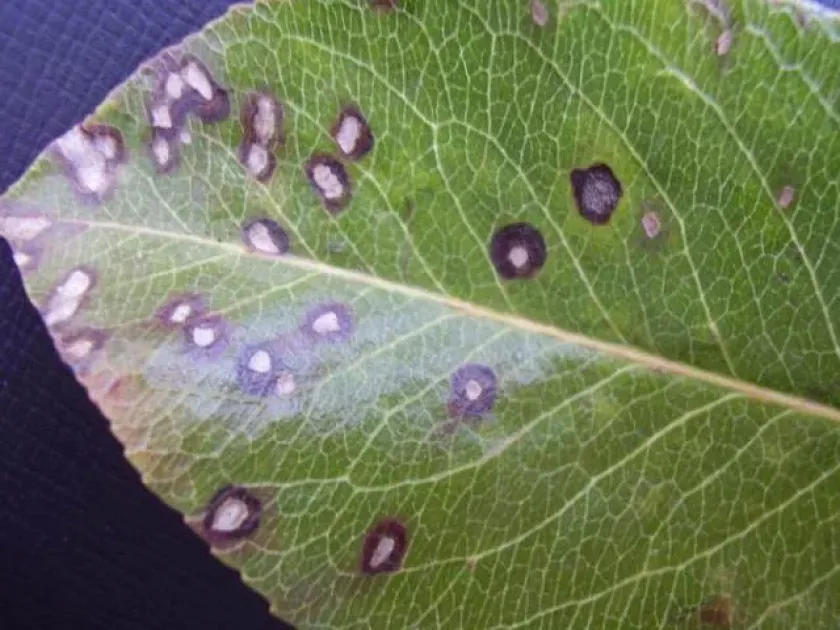
The most common symptoms appear as distinct spots on the leaf blades. These spots are usually circular or irregular, displaying brown, tan, or reddish centers often encircled by a darker, necrotic margin.
A hallmark of the disease is the presence of minute black specks appearing within the necrotic areas. These are the fruiting bodies (pseudothecia or pycnidia) of the fungus, which are vital for diagnosis.
As the disease advances, individual spots tend to coalesce. This causes large sections of the leaf to wither, turn brown, and eventually fall off, resulting in significant defoliation of the affected plant.
Lesions can also appear on stems, petioles, and occasionally fruit. On stems, these spots may become elongated or cracked, potentially weakening the structural integrity of the plant.
In early stages, symptoms may be subtle, appearing as minor yellowing or discoloration. Growers must monitor their plants closely to detect these early signs before the infection becomes severe.
Pathogen
Sphaerella leaf spot is caused by a group of pathogenic fungi belonging to the Ascomycota phylum. These fungi represent the perfect stage of various Septoria species, characterized by the production of pseudothecia on infected plant tissues.
The fungus survives the winter primarily in infected plant debris, such as fallen leaves, stems, and fruits. Its survival strategy allows it to persist in the field for several seasons, posing a continuous threat to susceptible crops.
Infection cycles are initiated by the release of ascospores into the environment. These spores are spread through wind, splashing raindrops, or irrigation, landing on healthy foliage to start a new infection process.
Once inside the host tissue, the fungus forms an extensive mycelial network. This network absorbs nutrients from the plant cells, leading to chlorosis and subsequent tissue necrosis as the fungus prepares for the next round of spore production.
Because of its complex biology, Sphaerella remains a challenging pathogen to eradicate completely. Its lifecycle is often integrated with other necrotic leaf spot diseases, making accurate identification essential for effective treatment.
Conditions for development
High humidity is the primary driver of Sphaerella development. Periods of frequent rainfall, heavy fog, or high dew points create the necessary moisture for spores to germinate and infect plant surfaces.
Moderate temperatures ranging from 18°C to 25°C provide an ideal environment for the rapid growth of the fungus. Under such conditions, the lifecycle of the pathogen accelerates, leading to more frequent infection cycles.
Poor air circulation, often found in dense plantings or neglected gardens, facilitates the disease. Stagnant air allows moisture to persist on leaves for longer periods, increasing the risk of pathogen penetration.
Overhead irrigation systems can inadvertently spread the disease by splashing spores from the soil or lower leaves onto the healthy upper canopy of the plants.
Plants that are stressed due to nutrient deficiencies, drought, or pest pressure are significantly more susceptible to Sphaerella infection than healthy, robust plants.
Why it matters
The primary damage caused by Sphaerella is the destruction of the photosynthetic leaf area. This reduction hinders the plant's ability to produce energy, ultimately stunting its growth and decreasing overall vigor.
In crops grown for yield, the disease can lead to significantly reduced production. Fruit quality, size, and marketability are often compromised, making them unsuitable for sale or long-term storage.
Severe and persistent infections weaken the host, making it more susceptible to secondary infections or environmental stressors, such as extreme heat or cold winter temperatures.
Economic losses can be substantial, particularly in susceptible cultivars. These losses include both the diminished harvest quantity and the increased financial burden of applying fungicides to maintain control.
Furthermore, uncontrolled outbreaks can create a reservoir of inoculum that persists in the area, complicating management strategies for future planting seasons.
Protection
Sanitation is the cornerstone of managing Sphaerella. Removing and destroying all infected plant material at the end of the season is crucial to minimize the amount of inoculum available for the following year.
Crop rotation is an effective preventive measure. By alternating with non-host species, growers can significantly reduce the pressure of the pathogen in the soil over time.
Chemical control involving fungicides may be necessary during periods of high disease pressure. Preventive sprays are generally more effective than treatments applied after the infection is well-established.
Selecting resistant varieties remains the most sustainable and efficient approach. Resistant cultivars provide natural protection and often eliminate the need for routine chemical intervention.
- Thinning plants to improve air movement.
- Avoiding overhead watering to keep foliage dry.
- Applying balanced fertilizers to strengthen plant resistance.
- Regular monitoring and pruning of affected foliage during the season.
Discussion
No discussions yet — be the first.