
Clover Sclerotinia
Sclerotinia spermophila
Description
Symptoms
Initial symptoms are characterized by a white, cottony mycelial growth visible on the clover heads during the flowering and seed-setting stages.
Infected flower heads exhibit browning, distortion, and premature drying, leading to a complete failure in the development of viable seeds.
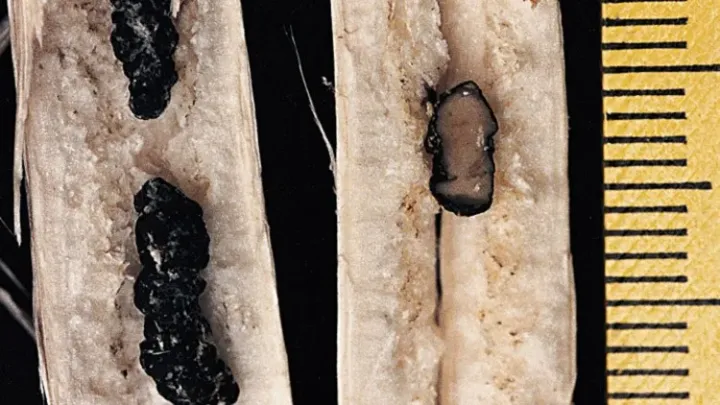
Black sclerotia, which resemble small dark seeds or debris, often develop within the infected flower structures and are harvested alongside the healthy crop.
High humidity causes the mycelium to spread rapidly across the plant canopy, turning the infected tissues greyish and fragile under pressure.
Plants affected by the fungus often show early senescence, and a close inspection of the seed heads reveals the presence of fungal tissue instead of seeds.
Pathogen
The disease is caused by the fungus Sclerotinia spermophila, an ascomycete pathogen that specifically targets the reproductive parts of clover and other legumes.
The fungus survives primarily through sclerotia, which are hard, black resting bodies that persist in the soil for several years and act as the primary inoculum source.
Under moist conditions, these sclerotia produce small fruiting bodies called apothecia, which release ascospores that travel by wind to infect the flower heads.
The pathogen's life cycle is closely linked to the flowering phase, as it primarily invades the developing seeds and floral tissues during this period.
Due to its high persistence in soil, it is recognized as a significant biological constraint in the intensive cultivation of seed clover crops.
Conditions for development
The disease thrives in cool, humid climates, with rainfall during the flowering period being the most critical factor for successful infection.
Dense crop stands create a humid microclimate that is highly favorable for the germination of ascospores and the establishment of the pathogen.
Optimal temperatures for the development of the disease generally range between 15°C and 20°C, typical of early summer weather in many regions.
Poor soil drainage and low soil pH can stress the plants, making them more vulnerable to the progression of fungal infections.
Long-term monocropping or short rotations without legumes increase the inoculum density, leading to more severe outbreaks year after year.
Why it matters
The primary economic damage is the reduction in seed quality, as infected seeds exhibit poor vigor, low germination rates, and carry the pathogen.
Severe infections lead to substantial yield losses, sometimes resulting in total failure of seed production in specific field sections.
The presence of sclerotia in harvested seed batches requires expensive cleaning processes and rigorous sorting to meet international certification standards.
Long-term contamination of the soil limits future planting options, requiring extended fallow periods or non-legume crops to reduce infection levels.
The thinning of the stand caused by the disease reduces the overall biomass and nutritional value of the clover crop for subsequent use.
Protection
The foundation of management is a robust crop rotation plan, ensuring a minimum of 4 to 5 years between host crops to reduce soilborne inoculum.
Using certified, high-quality, and disease-free seeds is the most effective preventative measure against the introduction of the pathogen into new fields.
Deep tillage or inversion plowing helps bury sclerotia deep in the soil profile, preventing the production of fruiting bodies near the surface.
Timely harvesting of seed crops before the pathogen can complete its cycle reduces the amount of sclerotia deposited back into the field.
Fungicide applications during the budding stage can be employed in high-risk areas to protect the flowers from infection if weather forecasts predict extended rainfall.
Discussion
No discussions yet — be the first.