
Sclerosporosis
Sclerosporaceae
Description
Symptoms
A classic symptom of Sclerosporosis is the severe deformation of the affected plants. It often manifests as excessive tillering, causing the plant to appear as a dense, stunted bush.
Leaves of infected specimens often become rigid, thickened, and develop a chlorotic or yellowish appearance. A specific whitish coating, composed of fungal sporulation, may appear on the leaf surfaces.
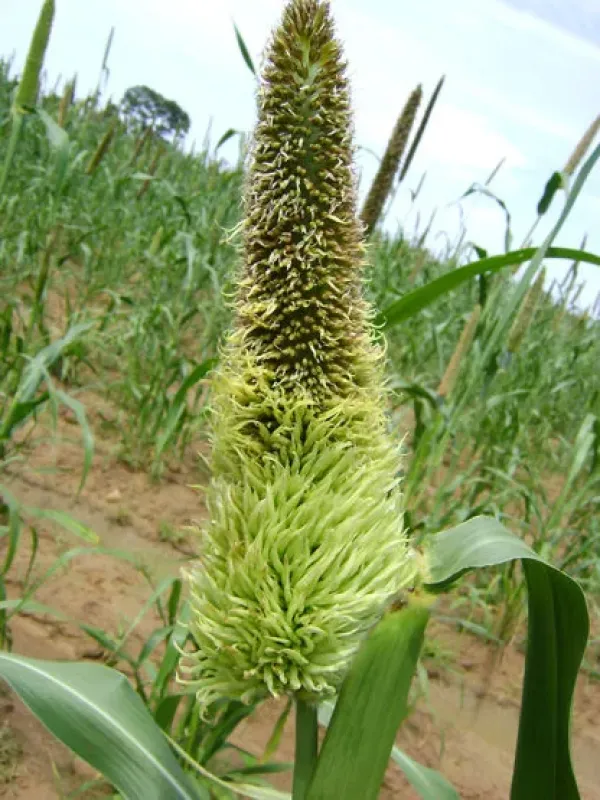
In cereal crops, the disease leads to pathological development of inflorescences. Instead of normal panicles or ears, twisted and underdeveloped structures, often referred to as "sultans," are formed.
In the later stages, the affected tissues turn brown and may undergo necrosis. The internal stem cavities are often filled with fungal hyphae, preventing the normal transport of nutrients.
The root system of infected plants slows its growth, becomes brittle, and shows reduced branching, leaving the plant highly susceptible to secondary pathogens and root rots.
Pathogen
Sclerosporosis is a group of plant diseases caused by oomycetes from the Sclerosporaceae family. A major representative of this group is the pathogen Sclerophthora macrospora.
This microorganism is classified within the downy mildew group. It follows a parasitic lifestyle, infiltrating the tissues of the host plant during its very early growth stages.
The pathogen's life cycle is intrinsically linked to soil moisture levels. Its zoospores are mobile in liquid water, allowing them to actively seek out roots or seedlings to establish an infection.
Inside the plant tissue, the pathogen's mycelium spreads intercellularly, gradually occupying space and disrupting normal metabolic processes. This leads to a systemic infection throughout the plant's aerial parts.
The pathogen primarily overwinters as oospores in the soil or crop residues, maintaining its viability for several years and making it highly resilient to harsh environmental conditions.
Conditions for development
The development of the disease is directly dependent on excess soil moisture. The greatest risk occurs during periods of prolonged rainfall, especially immediately after sowing seeds.
Optimal temperatures for zoospore germination and active fungal development range from +15 to +22 degrees Celsius. These conditions are most conducive to the widespread infection of young seedlings.
Soil compaction and waterlogging significantly accelerate the spread of Sclerosporosis. Poor drainage in agricultural fields is one of the primary factors contributing to disease outbreaks.
Dense crop stands also create a favorable microclimate for the pathogen, as the lower layers of the canopy retain moisture for longer periods and have reduced air circulation.
Failure to implement crop rotation, where susceptible species are grown in the same field for several consecutive years, leads to the accumulation of a high inoculum density in the soil.
Why it matters
Sclerosporosis causes massive harm to agriculture because systemic infection often renders the plant incapable of producing a viable harvest.
When cereals or corn are affected, it often results in partial or total sterility of the inflorescences. This leads to significant yield losses for farmers on the affected areas.
The reduction in the photosynthetic surface due to chlorosis and leaf deformation slows down biomass accumulation, leading to overall stunted growth and premature plant death.
Infected plants become less competitive and are easily overtaken by weeds, necessitating additional expenses for agricultural maintenance and crop protection.
Economic losses are compounded not only by reduced yields but also by the costs of expensive control measures and the potential write-off of infested fields during epiphytotics.
Protection
- Strict adherence to crop rotation cycles, returning susceptible crops no sooner than every 3-4 years.
- Installation of efficient drainage systems to prevent water accumulation in the soil.
- Utilization of high-quality, treated seed materials from reliable suppliers.
- Systematic removal of weeds that can act as infection reservoirs between growing seasons.
- Timely application of systemic fungicides upon the first detection of disease symptoms.
Discussion
No discussions yet — be the first.