
Description
Symptoms
Symptoms of Schizophyllum rot include the discoloration of the internal tissues, which shift from a healthy cream color to a dark brown or blackish hue. The stem interior becomes hollowed and fibrous.
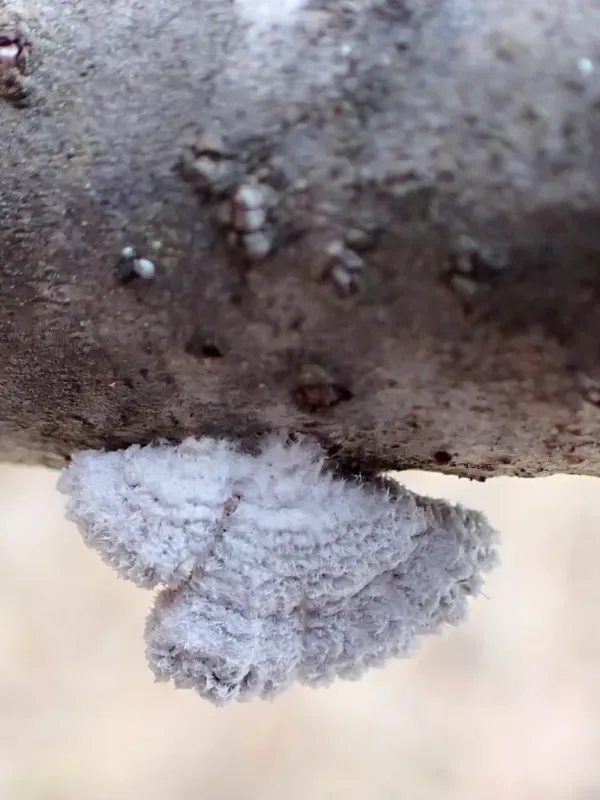
The presence of small, grey-white, fan-shaped mushrooms erupting through the epidermis of the stalk is the most definitive diagnostic sign of an advanced infection.
Infected sugarcane plants exhibit stunted growth, leaf chlorosis, and general wilting. The loss of vascular function limits water and nutrient transport, leading to physiological drought.
Affected stalks lose their structural strength, becoming fragile and prone to lodging. If a stalk is broken, the internal tissue displays a characteristic rotten, fungal odor and a dry, shredded appearance.
The infection can progress rapidly under favorable conditions, eventually leading to a complete collapse of the stalk's internal structure while the exterior rind remains relatively intact until the late stages of decay.
Pathogen
The disease is caused by the fungus Schizophyllum commune, a member of the Basidiomycota phylum. It is primarily a wood-rotting fungus that thrives on decomposing organic matter but can act as a pathogen on stressed sugarcane plants.
The fungus produces fan-shaped fruit bodies with distinctive split gills, which is why it is often called the common split-gill fungus. These structures are the primary source of airborne spores.
Upon infecting the plant, the fungal mycelium colonizes the vascular tissues, secreting cellulolytic enzymes that degrade the structural integrity of the stem. This process effectively converts the internal pith into a fibrous, decayed mass.
The pathogen is highly versatile and capable of colonizing various substrates, making it persistent in sugarcane fields that are poorly managed after harvest.
Infection usually occurs when fungal spores land on fresh wounds or damaged epidermis, which provides the necessary access to the plant's internal nutrients.
Conditions for development
High humidity and temperatures ranging from 20°C to 30°C provide an ideal environment for the proliferation of Schizophyllum commune spores and the subsequent colonization of the host.
Poor field hygiene is a major contributing factor. Large amounts of crop residue left on the ground serve as a reservoir for the fungus to multiply and spread to new, healthy stalks.
Mechanical damage caused by machinery, tools, or insect pests creates openings for the fungus to enter. These wounds are essential for the initiation of infection in otherwise healthy sugarcane.
Poor water management, leading to waterlogged soil and stagnant air, increases the prevalence of the disease within the plantation by keeping the stalks consistently moist.
Plant stress, often resulting from improper fertilization or weed competition, reduces the plant's natural defense mechanisms, making it more susceptible to opportunistic pathogens like S. commune.
Why it matters
The primary economic impact is the direct reduction in sucrose content. The fungus metabolizes the sugars within the cane, significantly lowering the quality and yield of the harvest.
The structural degradation of the stalks creates significant difficulties during harvesting operations, as affected cane is prone to breaking and lodging, leading to major field losses.
Processing costs are increased because fibrous, infected cane is harder to juice, and the presence of fungal contaminants can affect the crystallization and quality of the final sugar product.
In cases of severe infestation, the disease can lead to the total loss of yield in specific sections of the field, requiring expensive replanting and soil management efforts.
Increased vulnerability to secondary bacterial infections often occurs alongside the fungal rot, further compounding the damage and potential for total crop loss.
Protection
The most effective strategy is a combination of good agricultural practices, including the removal and destruction of infected crop debris to reduce the inoculum load in the soil.
Implementing proper field drainage and maintaining optimal plant spacing improves air circulation, creating an unfavorable environment for the growth of the fungus.
Integrated pest management is crucial to minimize the mechanical wounds on stalks that serve as infection sites, specifically targeting stalk-boring insects.
Using resistant or tolerant sugarcane varieties is the preferred long-term solution to mitigate the risk of disease outbreaks in high-risk areas.
- Regular monitoring of fields for early identification and removal of diseased stalks.
- Sanitation of harvesting tools to prevent the spread of spores between fields.
- Balanced fertilization to promote strong cell walls and overall plant health.
- Crop rotation to break the life cycle of the pathogen in the soil.
Pathogens and affected parts
Affects crops · 1
Discussion
No discussions yet — be the first.