
Schizoparme rot
Schizoparme
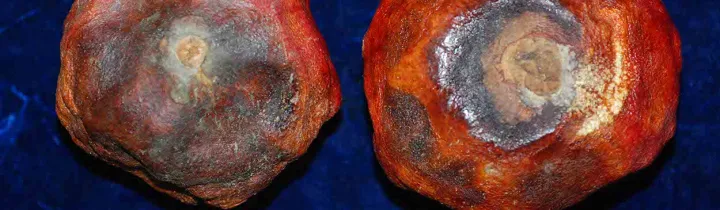
Description
Symptoms
The most common symptoms include the appearance of small, irregular spots on leaves, stems, and fruit. These spots typically start as light-colored lesions and gradually darken as the infection matures.
Under humid conditions, the pathogen produces visible sporulation on the surface of the lesions, often appearing as a fine, powdery, or gelatinous growth depending on the species of the fungus.
Fruit decay is a critical sign of Schizoparme rot. Infected fruits show signs of softening and discoloration, often developing deep, sunken lesions that lead to total rot of the fruit flesh.
Stems may show necrotic stripes or localized cankers. These lesions disrupt the vascular system, leading to wilting, stunted growth, and in severe cases, the death of individual branches or the entire plant.
Early identification of these signs is crucial, as the infection can spread rapidly within a crop canopy if favorable conditions for fungal growth persist.
Pathogen
Schizoparme rot is a fungal infection caused by species within the Schizoparme genus. These fungi belong to the Ascomycota phylum and act as plant pathogens that can affect various fruit, vegetable, and horticultural crops.
The fungus reproduces through the formation of pycnidia, which are specialized fruiting bodies that release conidia. These spores are primary agents of infection, dispersing through wind, water splashes, and insect vectors.
Schizoparme typically overwinters in crop debris left in the field or in the soil, allowing the pathogen to persist across seasons even in the absence of a host plant.
The fungus utilizes specialized enzymes to break down plant cell walls, allowing the mycelium to colonize tissues. This destructive process often leads to tissue necrosis and the inhibition of plant physiological functions.
Because of its ability to adapt to different environmental conditions and host varieties, controlling this pathogen requires a multi-faceted approach involving cultural, biological, and chemical strategies.
Conditions for development
High humidity and consistent moisture are the most significant drivers of Schizoparme outbreaks. Prolonged leaf wetness caused by fog, dew, or rain facilitates spore germination and infection.
Temperature plays a vital role in the pathogen's lifecycle, with moderate temperatures typically ranging from 18 to 25 degrees Celsius creating an optimal environment for rapid fungal development.
Poor orchard or greenhouse management, such as excessive plant density and insufficient ventilation, creates stagnant air pockets that increase humidity and promote the spread of the fungus.
Plants that have sustained mechanical damage from harvesting, pruning, or insect feeding are much more susceptible to invasion by the fungus, as these injuries provide direct entry points for the pathogen.
Overall plant health is a factor; crops that are stressed by poor irrigation or nutrient deficiencies are generally more prone to severe infection compared to well-maintained specimens.
Why it matters
The primary harm caused by Schizoparme rot is a significant reduction in marketable yield. Infected produce is often unmarketable, leading to direct economic losses for the grower.
Beyond yield loss, the disease can cause long-term harm to perennial crops by weakening the plant's overall structure, reducing its ability to survive winter or produce high-quality yields in subsequent seasons.
Increased input costs are another consequence, as growers must invest in fungicides and labor-intensive sanitation practices to manage the infection once it has been detected in the field.
The accumulation of inoculum in the soil and debris creates a cycle of infection that can make it difficult to maintain viable production of sensitive varieties without constant intervention.
In addition to direct damage, Schizoparme rot can degrade the cosmetic appeal of fruit, even if the internal tissue is only slightly affected, which reduces profit margins significantly.
Protection
Cultural control is the first line of defense. This includes the complete removal and destruction of all infected plant materials after harvest to reduce the amount of inoculum present in the field for the following season.
Proper sanitation, including the pruning of infected branches and maintaining optimal plant spacing, is essential to improve airflow and reduce the humidity levels that favor fungal growth.
The judicious application of fungicides at critical growth stages can effectively suppress the disease, particularly during periods of high precipitation or high-risk development phases.
Biological control, utilizing beneficial microorganisms or antagonistic fungi, can help keep the pathogen population below the economic threshold without the excessive use of harsh chemicals.
- Monitoring for early symptoms and removing initial infection sources
- Using certified, disease-free seed and nursery stock
- Implementing crop rotation to break the pathogen lifecycle
Discussion
No discussions yet — be the first.