
Description
Symptoms
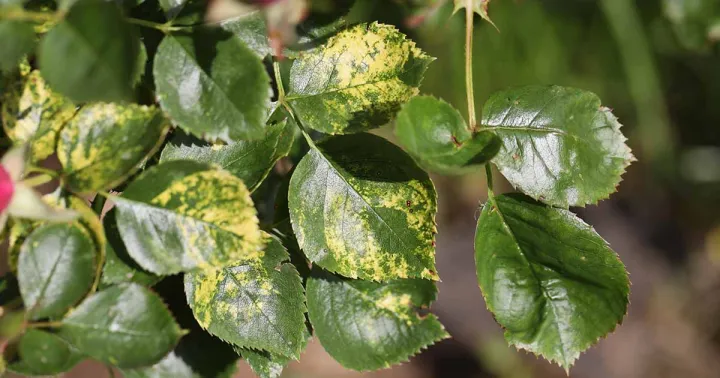
Symptoms typically appear in early spring on young leaves, displaying distinct chlorotic patterns such as mosaic mottling, line patterns, rings, or zigzag markings.
Common visual indicators of the infection include:
- yellowish spots and blotches on foliage;
- leaf distortion or puckering;
- irregular petal coloration;
- stunted growth of new shoots;
- reduced flower production and quality.
The intensity of the symptoms can vary greatly depending on the viral strain present and the inherent sensitivity of the specific rose cultivar.
During the heat of summer, visible symptoms may fade or disappear entirely, only to reappear when temperatures drop in the fall or the following spring.
Some cultivars act as symptomless carriers, meaning they harbor the virus without showing visible signs, posing a significant risk of hidden spread.
Pathogen
Rose mosaic is caused by the Rose mosaic virus (RMV), which is often a complex of pathogens including Prunus necrotic ringspot virus (PNRSV) and Apple mosaic virus (ApMV).
This is a systemic disease where the virus particles move through the plant's vascular system, particularly the phloem, affecting the overall physiological state of the rose.
The virus is primarily transmitted through infected budwood or rootstocks used in propagation, making it a common problem in commercial nurseries.
Unlike many other plant viruses, the Rose mosaic virus is not known to be transmitted by insects such as aphids or whiteflies.
Once a plant is infected, it remains a carrier for its entire life cycle, as there are no currently known chemical treatments to eliminate the virus from the plant tissue.
Conditions for development
The primary mode of transmission is mechanical, occurring through grafting or budding processes when infected scions are used on rootstocks.
Contaminated pruning tools serve as a secondary pathway for infection, transferring viral particles from diseased plants to healthy ones if not properly sanitized.
Environmental stress, such as improper fertilization or severe temperature fluctuations, can exacerbate the impact of the virus on the plant's health.
The lack of rigorous quarantine protocols in non-certified plant production allows the virus to persist and circulate within the horticultural trade.
Because the disease can have a long latency period, it often remains undetected until environmental conditions trigger the expression of visible symptoms.
Why it matters
Rose mosaic causes a steady decline in the plant's overall vigor, leading to decreased aesthetic appeal and a significant reduction in seasonal bloom quantity.
Infected roses are more prone to environmental stresses and may exhibit increased susceptibility to secondary infections, including fungal pathogens like powdery mildew.
Long-term consequences for the plant include stunted development, poor shoot growth, and an overall loss of structural integrity over several growing seasons.
In a nursery or breeding context, the disease is devastating, as it disqualifies the material from further propagation and compromises the quality of the rose collection.
While the virus does not usually kill the rose outright, it degrades the quality of the cultivar, ultimately making it a poor choice for high-end landscape designs.
Protection
Since there is no cure for Rose mosaic, management focuses entirely on prevention and the use of healthy, virus-free plant material.
Purchasing roses from reputable nurseries that employ virus-indexing or certified virus-free programs is the most effective way to avoid the disease.
Sanitizing all pruning and grafting tools between each plant using high-percentage alcohol or a disinfectant solution is essential to prevent mechanical transmission.
If an infected rose is identified, it is recommended to remove and destroy the entire plant to prevent further accidental spread to surrounding healthy bushes.
Maintaining high horticultural standards and plant health helps the rose better tolerate the presence of the virus, although it cannot provide immunity.
Pathogens and affected parts
Affects crops · 1
Discussion
No discussions yet — be the first.