
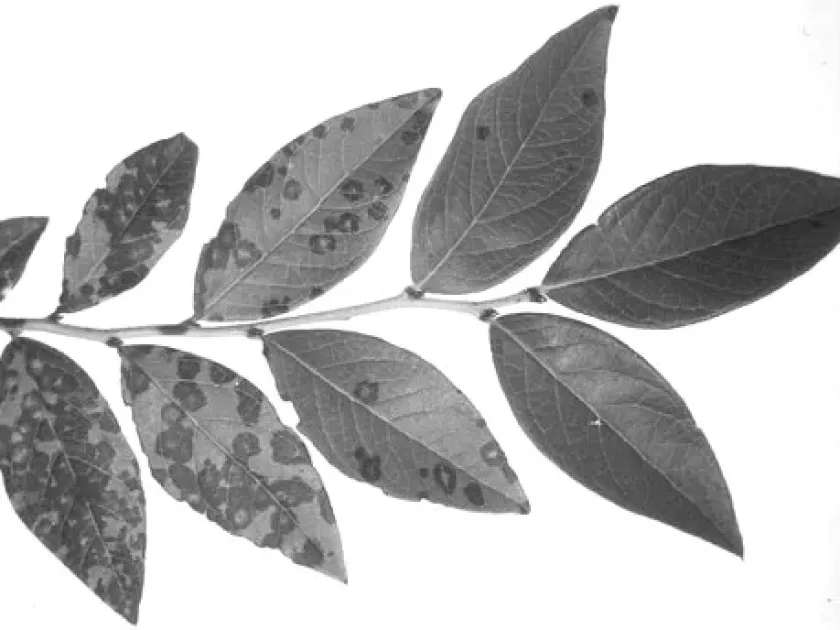
Description
Symptoms
The most distinctive symptom is the development of chlorotic spots on the leaves, which often appear in circular or semi-circular patterns.
As the infection progresses, these spots turn a striking reddish color, which gives the disease its common name, Red ringspot.
Older leaves usually show more pronounced symptoms than younger ones, which can sometimes appear deceptively healthy in the early stages.
In cases of severe infection, the spots can coalesce, leading to significant tissue necrosis and premature abscission of the foliage.
While the overall shape of the plant remains relatively normal, the vigor and development of the infected vines are noticeably stunted.
Pathogen
The disease is caused by the Cranberry red ringspot virus (CRRV), which is a member of the plant virus group known as Caulimoviridae.
This pathogen functions as a systemic infection, meaning it colonizes the vascular tissues and spreads throughout the entire cranberry plant.
Transmission primarily occurs through the use of infected cuttings or planting stock during the establishment of new production areas.
Mechanical transmission is also possible if pruning tools or harvesting equipment become contaminated with sap from infected plants and are not sanitized.
While insect vectors may facilitate the spread of the virus, the primary mode of long-distance dispersal remains the distribution of infected propagules.
Conditions for development
The expression of the virus is influenced by the environmental conditions, with symptoms appearing most vividly during cool weather cycles.
High humidity within dense cranberry canopies can exacerbate the overall stress of the vines, potentially making them more susceptible to systemic spread.
Nutritional deficiencies or improper soil pH levels place the plants under physiological stress, which can accelerate the visibility of symptoms.
Poor management of the plantation environment, including neglect of proper sanitation, creates a reservoir for the persistent virus.
Once a plant is infected, the virus persists within its tissues throughout the entire life cycle, regardless of environmental fluctuations.
Why it matters
The primary economic impact of this disease is the reduction in total yield and the diminishing size and quality of individual cranberry berries.
Chronic infection results in weakened vines that have reduced photosynthetic capacity, directly affecting the plant's long-term productivity.
Affected plants often exhibit reduced cold hardiness, making the cranberry bed more vulnerable to winter injury and frost damage.
Over time, the cumulative effect of the disease leads to thinning stands, significantly decreasing the overall output of the affected area.
There is no chemical cure for the viral infection, making it a persistent management challenge that often necessitates the removal of infected patches.
Protection
The cornerstone of control is the exclusive use of certified, virus-free planting stock when establishing or renovating cranberry beds.
Routine scouting and monitoring of the fields are essential to identify infected vines for immediate removal and destruction.
Sanitation of pruning and harvesting equipment using appropriate disinfectant solutions is critical to prevent mechanical transmission of the virus.
Managing populations of insect vectors using integrated pest management strategies helps minimize the risk of secondary spread within a bed.
Maintaining optimal soil fertility and pH levels keeps the vines healthy and robust, which is the best defense against the debilitating effects of the virus.
Pathogens and affected parts
Affects crops · 1
Discussion
No discussions yet — be the first.