
Pseudovalsa necrosis
Pseudovalsa
Description
Symptoms
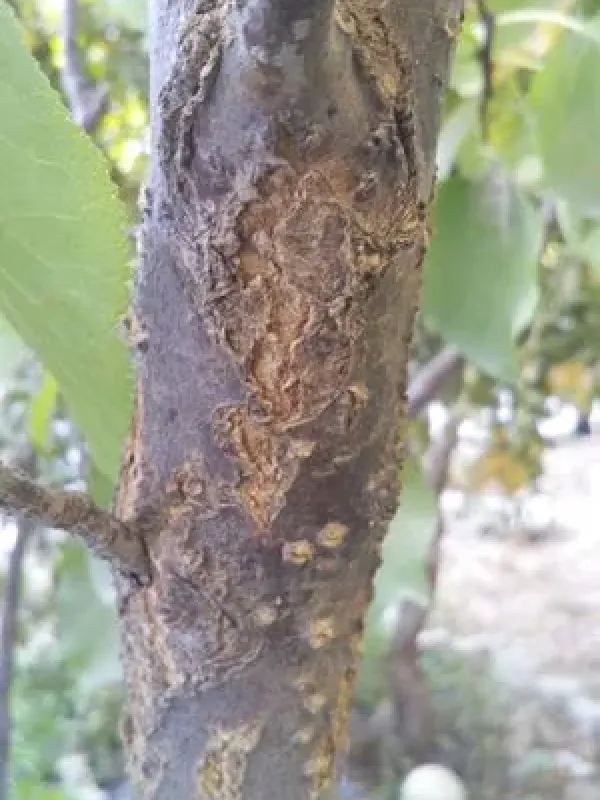
The primary symptom includes the formation of dark, depressed necrotic areas on the bark, which indicate localized tissue death within the cambium.
Cracking and peeling of the bark around the necrotic lesions are common, often exposing the underlying wood which may show signs of discoloration.
Tiny pimple-like bumps appear on the dead bark, representing the fungal fruiting structures that release spores during wet conditions.
Leaves on infected branches often turn yellow, curl, and wilt prematurely, as the fungal growth disrupts the plant's nutrient and water transport systems.
Progressive dieback of branches is a classic indicator, with the infection spreading until the entire branch or limb is completely killed.
Pathogen
The disease is caused by fungi of the genus Pseudovalsa, which are ascomycetes often categorized as weak parasites or opportunistic pathogens of woody plants.
The fungus colonizes the bark and cambium layers, eventually producing fruiting bodies known as perithecia that erupt through the bark surface to release spores.
Spore dissemination occurs primarily via wind and water splashing, which distribute the inoculum to new sites on the host plant or neighboring trees.
Pseudovalsa often exploits pre-existing damage, such as frost cracks, sunscald, or pruning wounds, to establish itself within the host tissues.
Once established, the fungus utilizes host resources to expand its mycelial network, gradually causing the death of vascular tissues and leading to branch dieback.
Conditions for development
High humidity and consistent rainfall create favorable conditions for spore germination and the subsequent infection of host tissues by Pseudovalsa.
Wounds, whether caused by severe winter temperatures, mechanical impact, or insect activity, provide the entry points necessary for the fungus to colonize the tree.
Environmental stress, such as drought or nutrient deficiencies, weakens the tree's natural defense mechanisms, making it more susceptible to pathogen attack.
Poor orchard sanitation, including leaving pruned material in the vicinity, facilitates the buildup of inoculum and increases the risk of infection.
Dense canopy growth that restricts airflow maintains a moist microclimate, which is highly conducive to the proliferation of fungal pathogens on the bark.
Why it matters
The disease significantly impacts tree health by causing branch dieback, which reduces the overall photosynthetic capacity and vigor of the plant.
In ornamental settings, the aesthetic value is severely diminished due to asymmetrical growth and the presence of dead, necrotic limbs within the crown.
In orchards, the necrosis interferes with the tree's vascular system, leading to decreased fruit yield and potential mortality of younger or weakened trees.
Persistent infections can lead to the structural weakening of limbs, increasing the risk of mechanical failure and breakage during windstorms.
If left unmanaged, the pathogen can spread to surrounding healthy trees, creating clusters of diseased plants that are difficult to treat effectively.
Protection
The most effective management strategy involves the rigorous removal and destruction of all dead and symptomatic wood to eliminate the source of inoculum.
Proper pruning techniques, including clean cuts that promote rapid wound healing and avoid leaving stubs, are essential to minimize vulnerability to infection.
Protecting trees from abiotic stressors, such as using white-wash for sunscald protection and ensuring proper irrigation, bolsters tree resilience.
- Sanitize all pruning tools with disinfectant between uses.
- Apply copper-based fungicides as a preventative measure.
- Maintain proper tree spacing to ensure good air circulation.
- Regularly monitor the bark for early signs of necrotic lesions.
Discussion
No discussions yet — be the first.