
Pseudodidymella disease
Pseudodidymella
Description
Symptoms
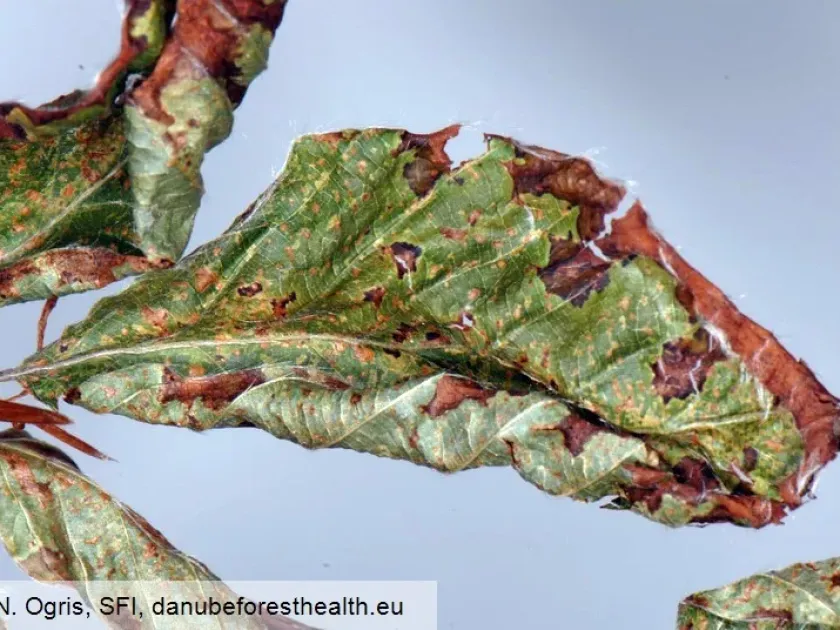
Initial symptoms appear as small chlorotic spots on leaves or stems, which eventually turn brown or tan with a darker margin.
As the disease progresses, spots may coalesce to form large necrotic zones. In the center of affected areas, small black dots — the fungal fruiting bodies — are often visible.
Affected plants exhibit premature wilting and drying of leaves, starting from the lower levels. In cases of severe infection, stem bending or breakage may occur.
On stems, the pathogen often induces longitudinal cracks, leading to tissue rupture and disruption of water and nutrient transport to growing points.
In high-humidity conditions, a faint fungal spore layer may appear on the surface of the spots, indicating an active sporulation stage and high risk of further spread.
Pathogen
The causal agent of Pseudodidymella disease is an imperfect fungus of the genus Pseudodidymella. This pathogenic microorganism parasitizes plant tissues, causing necrotic processes and metabolic disruption.
The fungus belongs to the Ascomycota group, capable of maintaining viability in crop residues and soil for long periods. Its development is closely tied to moisture and temperature cycles.
The pathogen's life cycle includes the formation of conidia, which spread via rain splashes, wind, or insects, ensuring primary and secondary infection of new field areas.
The pathogen enters the plant through stomata, mechanical injuries, or natural fissures in the epidermis. Upon entry, the mycelium spreads within the intercellular spaces, secreting toxins.
Under nutrient-deficient conditions, the fungus forms dormant structures such as pycnidia, which allow it to survive harsh winter or drought periods until favorable conditions return.
Conditions for development
The primary factor promoting Pseudodidymella development is high relative humidity, exceeding 70–80%, combined with moderately warm weather.
Frequent rainfall, fog, and heavy dew create an ideal environment for pathogen spore germination. Under these conditions, the fungal incubation period is significantly shortened.
Dense planting or sowing, which prevents proper air circulation and slows leaf drying after rain, also facilitates the rapid spread of the disease.
Inadequate mineral nutrition, particularly potassium deficiency, reduces the natural resistance of plants, making them more vulnerable to fungal invasion.
Failure to follow crop rotation, where susceptible crops are planted repeatedly in the same field, leads to the accumulation of a high infection load in the soil.
Why it matters
Pseudodidymella causes significant agricultural damage by reducing overall plant vegetative mass and their capacity for full crop formation.
Damage to the leaf apparatus leads to decreased photosynthesis, which directly impacts the accumulation of sugars and other nutrients in fruits or seeds.
If stems or the root collar are affected, water supply to the plant is disrupted, leading to the premature death of individual specimens or entire field patches.
The commercial quality of the produce suffers greatly: spots on leaves and fruits make the harvest unsuitable for sale and, in some cases, toxic due to fungal metabolites.
Economic losses include both direct yield reduction and additional costs incurred for protective measures and chemical treatments.
Protection
The foundation of control is strict crop rotation, ensuring susceptible crops are not returned to the same field for at least 3–4 years.
Timely destruction of crop residues after harvest is crucial, as they serve as the primary reservoir for the infection in the soil.
Using healthy, fungicide-treated seeds prevents early-stage infection of young seedlings during the initial growth phases.
For crop protection during the active growth period, preventative and curative applications of systemic and contact fungicides are applied according to regulatory guidelines.
Agronomic practices, such as optimal plant density, timely fertilization, and weed control, create unfavorable conditions for pathogen propagation.
Discussion
No discussions yet — be the first.