
Soybean mosaic virus
Potyvirus glycitessellati
Description
Symptoms
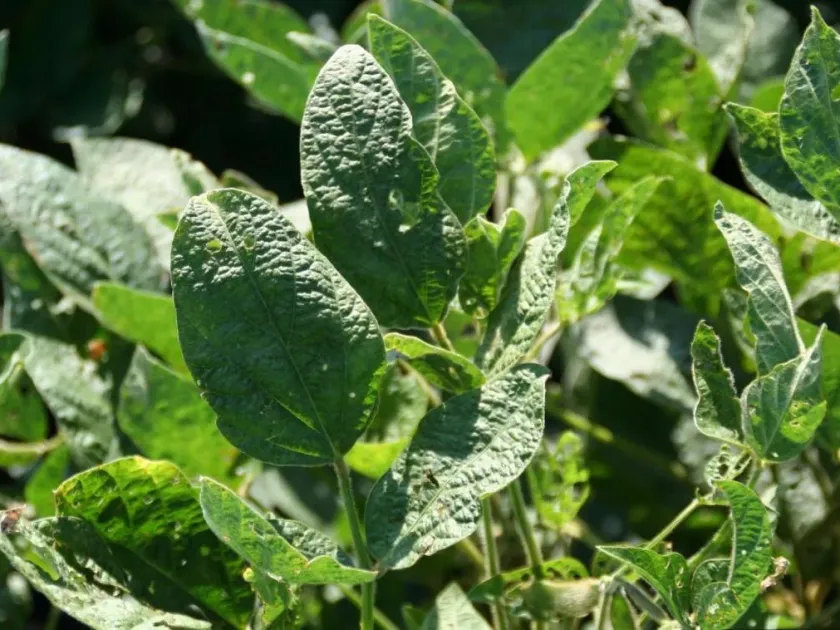
The primary symptom of Soybean mosaic virus (SMV) is the characteristic mosaic pattern on leaves, appearing as alternating patches of light and dark green. Leaves often exhibit distinct crinkling, puckering, and severe curling, especially in younger foliage.
Infected soybean plants display significant stunting, with shortened internodes compared to healthy plants. This results in a bushy, deformed appearance, and in some cases, the plants may die back from the tips or exhibit necrotic spots on the foliage.
Pod development is heavily affected, resulting in fewer, smaller, and often distorted pods. The seeds within these pods are frequently shriveled, and the seed coat may show mottled brown or black discoloration, which is a key diagnostic indicator of the virus.
Systemically infected plants often drop their leaves prematurely, which leads to reduced photosynthetic capacity and overall decline in plant vigor. This systemic infection affects the entire physiology of the plant, from root development to seed production.
Lighter infections might not show dramatic foliage symptoms but can still result in significant yield penalties. The virus can persist within the plant tissues, affecting the overall metabolic processes without causing immediate wilting or necrosis.
Pathogen
The causal agent is the Soybean mosaic virus (SMV), a member of the genus Potyvirus. It is an RNA virus known for its high genetic diversity and the existence of multiple distinct strains that can overcome some resistance traits.
The virus is primarily seed-borne, meaning that infected seeds serve as the main vehicle for introducing the pathogen into new areas. This highlights the importance of using certified, disease-free seed for planting to prevent initial infection.
During the growing season, SMV is transmitted by numerous aphid species in a non-persistent manner. Aphids acquire the virus by probing infected plants and transmit it rapidly during short feeding sessions on healthy neighboring plants.
Mechanical transmission occurs through contact between foliage, which can happen during farm operations or severe wind events. However, the transmission efficiency through mechanical means is significantly lower compared to the aphid-mediated spread.
Alternative hosts, including various legume weeds and other leguminous crops, serve as reservoirs for the virus. These hosts allow the virus to survive between soybean growing seasons, making it difficult to eradicate completely from an agricultural landscape.
Conditions for development
The development of SMV is closely linked to temperature ranges between 20°C and 25°C, which are optimal for both the virus replication in plant tissues and the population growth of aphid vectors.
Environmental conditions that favor the rapid buildup of aphid populations also accelerate the spread of the virus. Dry spells followed by mild, humid weather often trigger aphid migration, leading to outbreaks across soybean fields.
Early-season infections are the most damaging. If aphids migrate to fields during the seedling stage, the virus spreads systemically throughout the young plant, resulting in maximum yield loss and poor overall stand development.
Weed-infested fields act as hubs for SMV. Weeds provide shelter for aphids and serve as potential reservoirs for the virus, ensuring that the pathogen is readily available to jump to soybean plants at the first opportunity.
High plant density and late planting dates are significant risk factors. Denser canopies maintain higher humidity levels, which aphids prefer, while late-planted crops are more likely to coincide with peak aphid migration times during the mid-summer season.
Why it matters
The most significant harm caused by SMV is the reduction in grain yield, which can drop by up to 50% under heavy pressure. Fewer pods and reduced seed weight contribute directly to the financial loss for the farmer.
Seed quality is severely degraded, characterized by reduced protein and oil content. The mottled appearance of seeds makes them unattractive for market, and the reduced germination rate compromises the viability of the seed for future plantings.
SMV-infected plants are more susceptible to secondary infections by fungal pathogens, such as charcoal rot or pod blight. This complicates the disease management strategy, as growers must then treat for multiple interconnected health issues.
The presence of SMV disrupts the plant's ability to fix nitrogen effectively. Since soybean health depends on the symbiotic relationship with rhizobia, viral stress can lead to yellowing and premature death of the root nodules.
Long-term economic damage includes the loss of trade opportunities for seed production. Regions known to have high virus incidence face strict regulations, and the constant need for chemical control increases input costs significantly.
Protection
The use of resistant or tolerant cultivars is the most sustainable and effective strategy for managing Soybean mosaic virus. Breeders continue to work on integrating resistance genes into new soybean varieties to protect against major strains.
Planting high-quality, virus-tested seed is the first line of defense. Growers should strictly avoid using seeds from previously infected fields, as the virus persists in the embryos of the seeds from one generation to the next.
Integrated Pest Management (IPM) practices, including the timely application of systemic insecticides, can help manage aphid populations. It is critical to target the aphids early in the season before the virus can move throughout the field.
Sanitation practices such as controlling weeds in and around the field are essential to reduce the viral reservoir. Keeping edges mowed and free of potential host plants significantly limits the initial influx of the virus.
Practicing crop rotation is vital to prevent the long-term buildup of the virus in the environment. By moving soybean crops to different fields every few years, growers can break the cycle of infection and limit the prevalence of the virus in the soil and residues.
Discussion
No discussions yet — be the first.