
Polymyxa graminis
Polymyxa graminis
Description
Symptoms
Direct symptoms of root colonization by Polymyxa graminis are often subtle or non-existent, frequently leading to a false sense of security until viral symptoms appear on the foliage.
The most visible signs are those of the associated viruses, including yellow mosaic patterns, chlorotic striping, and stunting of the plant canopy. These symptoms typically appear in the spring as plants resume growth.
Affected fields often exhibit patchy growth, with clusters of stunted or chlorotic plants. These patches can expand over years if the same susceptible host crops are continuously cultivated in the infected areas.
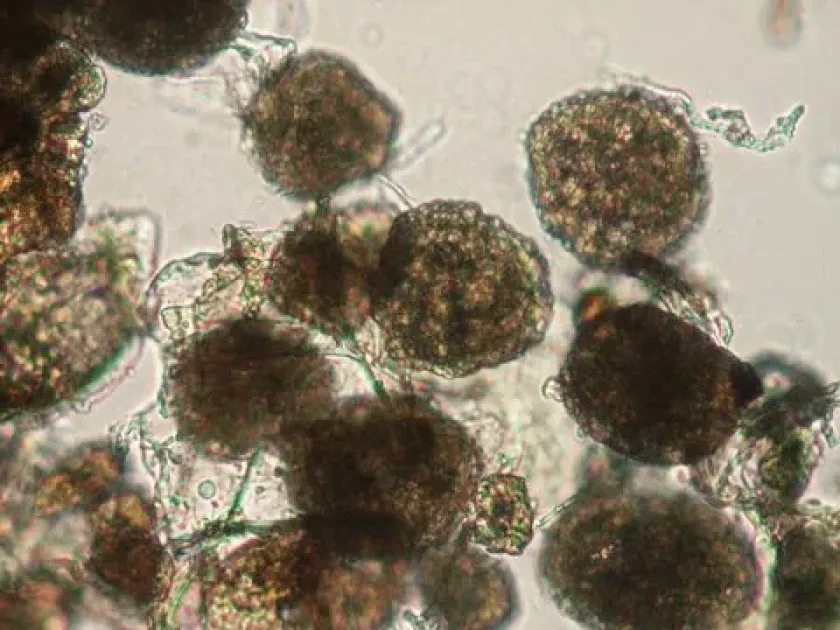
Root tissue might show minor browning, but identification requires staining and microscopic observation to detect the characteristic resting spore clusters (cystosori) within the cortical cells of the roots.
Viral infection, facilitated by the pathogen, interferes with the plant’s nutrient uptake and photosynthetic efficiency, leading to a decline in overall plant vigor and increased susceptibility to environmental stresses.
Pathogen
Polymyxa graminis is an obligate intracellular parasite belonging to the phylum Plasmodiophoromycota. It is a microscopic, slime mold-like organism that inhabits the soil and parasitizes the roots of various grass species, including major cereal crops.
The primary agricultural significance of this pathogen is its role as a vector for various soil-borne viruses, such as Wheat Spindle Streak Mosaic Virus and Barley Yellow Mosaic Virus. While it infects roots directly, the resultant viral diseases are the main economic threat.
The life cycle involves the production of motile zoospores equipped with flagella, which swim through soil water films to infect root hairs. Upon entry, the organism forms sporangia and long-lived resting spores called cystosori.
These cystosori are incredibly resilient and can survive in the soil for several years, even in the absence of a host crop. This long-term persistence makes Polymyxa graminis a persistent challenge for integrated pest management in agriculture.
Detection of the pathogen is typically laboratory-based, as the organism remains hidden within root tissues, making visual diagnosis of the pathogen itself nearly impossible in field conditions.
Conditions for development
Moist soil conditions are essential for the activity and spread of Polymyxa graminis. Zoospores require water films to swim and reach the host root systems, making high soil moisture a prerequisite for infection.
The pathogen is most active during cool and wet periods. In many regions, this corresponds to the autumn when winter cereals are germinating or the early spring when the growing season resumes.
Soil texture plays a significant role; heavy, poorly drained soils facilitate the spread of the pathogen by maintaining the high moisture levels needed for zoospore movement, often resulting in severe infection hot spots.
Continuous cropping of susceptible cereal species helps maintain a high inoculum level in the soil. The more frequently a host crop is planted, the higher the density of cystosori in the soil profile.
Mechanical transfer is a major factor in the dispersal of the pathogen. Soil clinging to farm machinery, tillage tools, or even footwear can transport resting spores across large distances to previously uninfected fields.
Why it matters
The economic impact of Polymyxa graminis is largely driven by the transmission of cereal viruses, which can cause severe yield losses, potentially rendering sections of a field non-productive.
Viral mosaic infections reduce the photosynthetic capacity of the leaves, resulting in stunted plants, poor tillering, and shriveled grains, which significantly decrease both quantity and quality of the final harvest.
Infected crops show increased vulnerability to other stressors, such as drought, frost, and secondary root pathogens, which can exacerbate the decline and potentially lead to total crop failure in susceptible varieties.
The long-term presence of the pathogen in the soil forces farmers into longer crop rotation cycles, which can disrupt established farming schedules and reduce the frequency of high-value cereal crops in the rotation.
Investments in resistant varieties are often required to mitigate damages, adding to the total cost of production. Without resistant genetics, managing the disease becomes increasingly difficult and expensive.
Protection
The most effective strategy for managing Polymyxa graminis is the use of resistant or tolerant crop varieties. Breeding programs focus on genetic resistance to the viruses vectored by the pathogen.
Extending crop rotations is a vital practice. By removing host crops for several years, the population of viable cystosori in the soil naturally declines, thereby reducing the pressure of future infections.
Field drainage and improved soil management help reduce moisture retention, limiting the conditions favorable for zoospore movement and significantly slowing the spread of the disease.
Strict sanitation protocols, including the thorough cleaning of equipment moving between infected and non-infected fields, are essential to prevent the spread of soil-borne resting spores.
Avoiding early planting dates for winter cereals in historically infested fields can help, as it may reduce the exposure of young, sensitive roots to the peak activity periods of the pathogen during warm, wet early-autumn weather.
Discussion
No discussions yet — be the first.